





















Travel Capitalist Ventures Expands Check Size to $10 Million to Deepen Emerging Market Conviction
Boutique Travel VC raises investment cap from $1.5M to $10M to lead rounds and support portfolio companies through growth Travel...
Read moreDetails

(PHOTO: Matt Driskill)
Comprehensive Summarization:
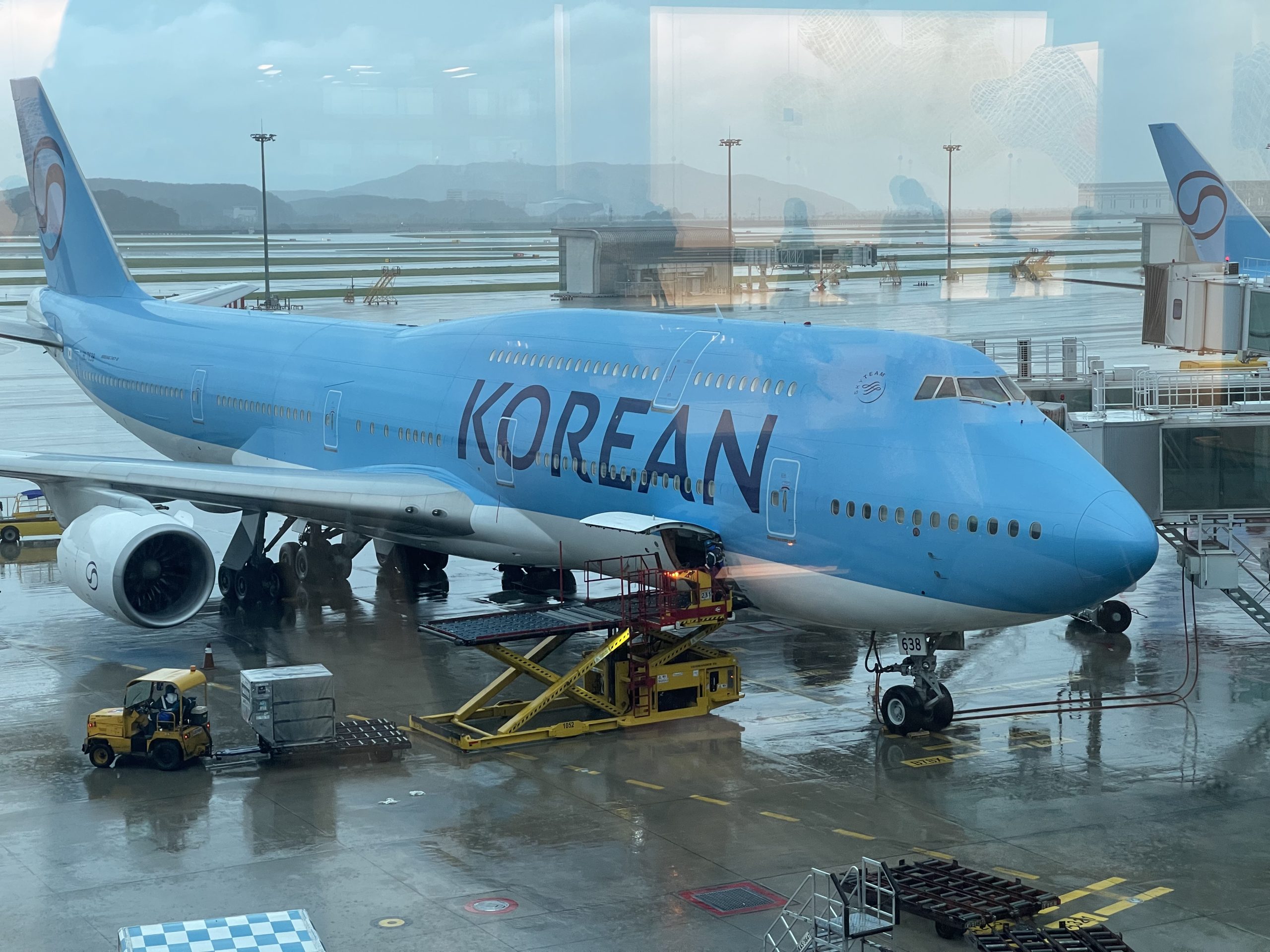
In Q4 2025, Korean Air reported a revenue of KRW 4.5516 trillion (USD 3.1721 billion), marking a year-on-year increase of KRW 522 billion. However, the operating profit declined to KRW 413.1 billion (USD 287.9 million) due to escalated operating costs. Passenger business revenue reached KRW 2.5917 trillion, up KRW 217.1 billion year-on-year. Despite similar demand on North American routes due to tighter entry regulations and heightened competition on West Coast routes, the overall performance was impacted by increased costs. The article also touches upon the broader travel industry trends and insights from thought leaders, highlighting the importance of adapting to regulatory changes and market competition.
Key Points:
Actionable Takeaways:
Cost Management: Korean Air’s decline in operating profit highlights the importance of cost management in the travel industry. Companies should regularly review and optimize their operating costs to maintain profitability, especially in the face of increased regulatory and competitive pressures.
Adaptation to Regulations: The impact of tighter entry regulations on North American routes underscores the need for travel companies to stay abreast of regulatory changes. Proactive adaptation to regulatory environments can mitigate risks and capitalize on new opportunities.
Market Competition: The intensified competition on West Coast routes suggests that travel companies must differentiate themselves through superior service, innovative offerings, or strategic partnerships to maintain market share and profitability.
Contextual Insights:
The article reflects the current challenges and opportunities in the travel industry, particularly in managing costs amidst regulatory pressures and competitive dynamics. As the industry continues to evolve, companies must remain agile and responsive to regulatory changes and market conditions. The insights provided align with broader travel trends, such as the increasing importance of operational efficiency and regulatory compliance. Furthermore, the emphasis on adapting to market competition highlights the need for continuous innovation and strategic planning to sustain growth and profitability in a dynamic industry landscape.
Read the Complete Article.
Boutique Travel VC raises investment cap from $1.5M to $10M to lead rounds and support portfolio companies through growth Travel...
Read moreDetails



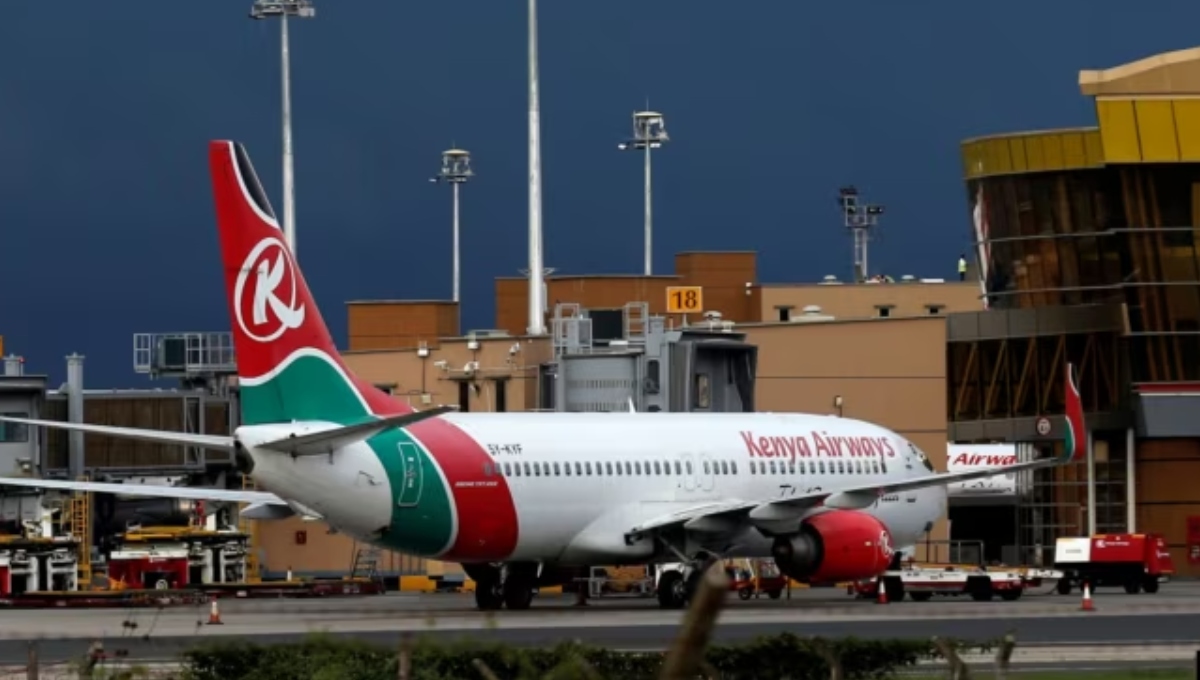
Comprehensive Summarization: On April 10, 2026, several Kenya Airways flights were diverted to Moi International Airport in Mombasa due to...
Read moreDetails
