






















Travel Capitalist Ventures Expands Check Size to $10 Million to Deepen Emerging Market Conviction
Boutique Travel VC raises investment cap from $1.5M to $10M to lead rounds and support portfolio companies through growth Travel...
Read moreDetails
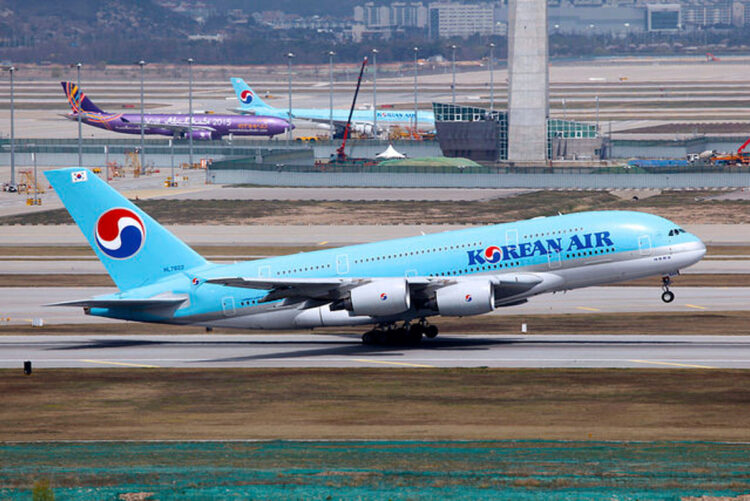
Korean Air Announces Historic Boeing Deal
Article Summary:
Korean Air has announced a historic deal to acquire 25% of WestJet, the largest-ever aircraft order in the carrier’s history. The deal includes a significant order of 103 planes from Boeing, comprising a mix of 787 Dreamliners, 777s, and other aircraft. This acquisition marks a substantial expansion of Korean Air’s fleet and underscores the company’s commitment to growth and modernization in the aviation sector.
Key Points:
Actionable Takeaways:
Contextual Insights:
The acquisition of WestJet by Korean Air is a notable development in the aviation industry, reflecting broader trends of consolidation and strategic expansion among legacy carriers. In recent years, the aviation sector has witnessed increased consolidation as airlines seek to optimize routes, reduce costs, and enhance service offerings. This trend is particularly evident in North America, where airlines are leveraging their combined resources to navigate the challenges posed by fluctuating fuel prices, regulatory changes, and shifting consumer preferences.
Moreover, the integration of advanced aircraft like the 787 Dreamliner and 777 into Korean Air’s fleet underscores the industry’s ongoing shift towards more sustainable and technologically advanced aircraft. These aircraft not only offer improved fuel efficiency and passenger comfort but also align with global efforts to reduce the carbon footprint of air travel. As airlines continue to invest in modernizing their fleets, we can expect to see further innovations in aircraft design, operational efficiency, and passenger experience.
In the context of travel tech and fintech, this acquisition could also pave the way for enhanced digital services and integrated travel solutions. As airlines expand their fleets and operational capabilities, there is a growing opportunity to leverage technology for improved booking processes, personalized travel experiences, and seamless payment solutions. This could lead to the development of new fintech applications within the travel sector, such as integrated loyalty programs, dynamic pricing models, and enhanced customer engagement tools.
Overall, Korean Air’s acquisition of WestJet represents a significant milestone in the airline’s strategic growth journey, driven by a combination of market expansion, technological innovation, and a commitment to operational excellence. As the industry continues to evolve, such strategic moves will play a crucial role in shaping the future of air travel, offering both challenges and opportunities for stakeholders across the sector.
Read the Complete Article.
Boutique Travel VC raises investment cap from $1.5M to $10M to lead rounds and support portfolio companies through growth Travel...
Read moreDetails




