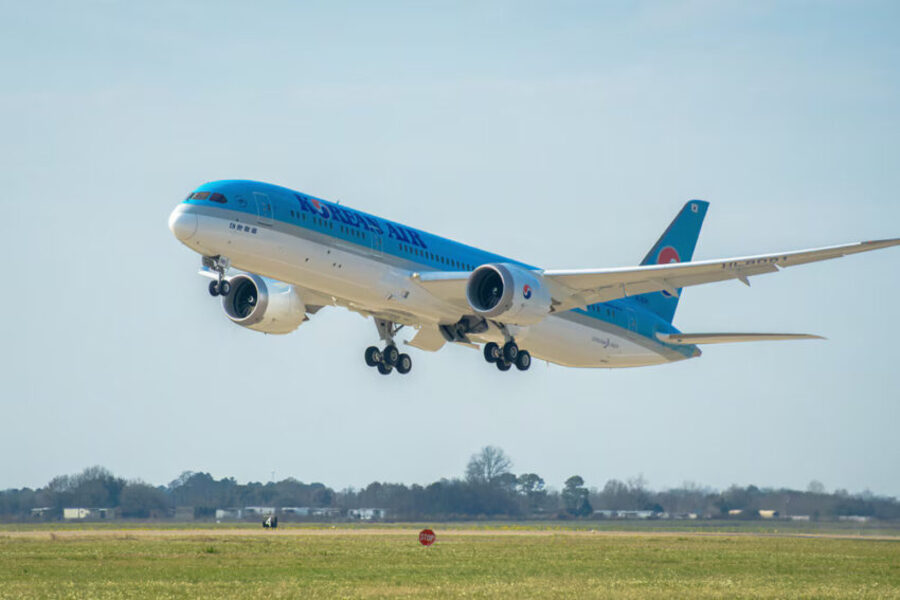






















Travel Capitalist Ventures Expands Check Size to $10 Million to Deepen Emerging Market Conviction
Boutique Travel VC raises investment cap from $1.5M to $10M to lead rounds and support portfolio companies through growth Travel...
Read moreDetails
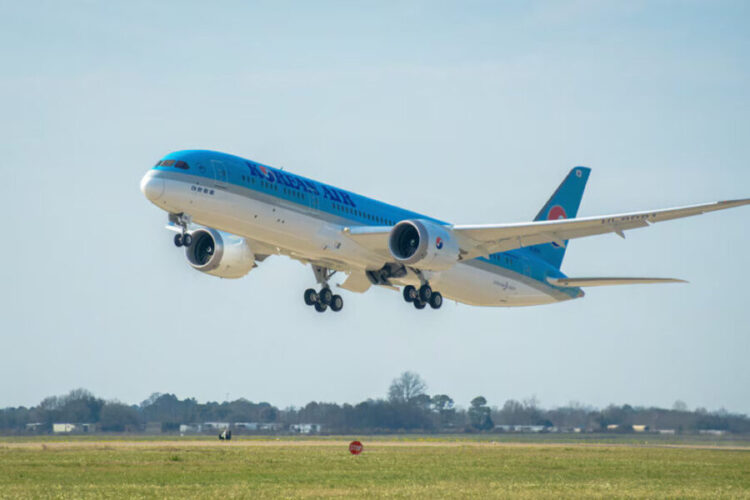
Japan, Thailand, and China Drive Korean Air’s Remarkable 2025 Growth with Sixteen Million Passengers...
Article Summary:
Korean Air achieved an impressive milestone in 2025 by carrying 16 million passengers, largely driven by the growth in short-haul regional routes in Japan, Thailand, and China. This surge in demand highlights the continued popularity of these routes and underscores the airline’s expanding international presence.
Key Points:
Actionable Takeaways:
Contextual Insights:
The article reflects the current trend in the travel industry towards short-haul regional routes, driven by factors such as increased demand, operational efficiency, and competitive pricing. This growth is indicative of a broader shift in the industry, where airlines are focusing on high-demand, cost-effective routes to maximize profitability. The expansion of Korean Air’s international presence suggests a trend towards strategic global expansion, which could influence other airlines to follow suit. Furthermore, the article highlights the importance of regional growth in driving overall industry growth, emphasizing the need for airlines to adapt to changing market conditions and consumer preferences.
Read the Complete Article.
Boutique Travel VC raises investment cap from $1.5M to $10M to lead rounds and support portfolio companies through growth Travel...
Read moreDetails



Comprehensive Summarization: The article highlights Malaysia's recent adoption of UPI-linked Digital Payment Systems, joining a select group of countries including...
Read moreDetails
