























Travel Capitalist Ventures Expands Check Size to $10 Million to Deepen Emerging Market Conviction
Boutique Travel VC raises investment cap from $1.5M to $10M to lead rounds and support portfolio companies through growth Travel...
Read moreDetails
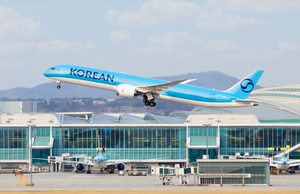
(Korean Air)
Comprehensive Summarization:
Korean Air reported record quarterly revenue of 4.52 trillion won ($3.04 billion) for the first quarter, marking a 14% increase from the previous year. Operating profit rose by 47% to 516.9 billion won, and net profit increased by 26% to 242.7 billion won. The company attributes this growth to solid demand during the Lunar New Year holiday in February and stronger sales on European and key transit routes. The article highlights the importance of passenger revenue, which climbed 7.3% to 2.61 trillion won, driven by these factors. While the article does not delve into cargo specifics, the overall context indicates a strong performance in the travel sector, reflecting positive market conditions and effective operational strategies.
Key Points:
Actionable Takeaways:
Revenue Growth Strategy: Korean Air’s 14% increase in revenue and 47% rise in operating profit highlight the effectiveness of their strategic route sales and demand management during peak travel periods. Travel companies can learn from this approach by focusing on high-demand routes and optimizing sales strategies to capitalize on seasonal trends.
Operational Efficiency: The 26% increase in net profit underscores the importance of operational efficiency and cost management. Companies in the travel industry should review their operational processes to identify areas for improvement, potentially leading to higher profit margins and increased competitiveness.
Contextual Insights:
The article’s context reveals a robust performance in the travel sector, driven by strong passenger demand during key travel periods such as the Lunar New Year. This aligns with broader industry trends where demand management and strategic route optimization are critical for sustained growth. The focus on European and key transit routes suggests a strategic shift towards high-value markets, reflecting a trend where travel companies are increasingly targeting premium and high-demand travel corridors. This context is crucial for understanding the broader implications of Korean Air’s success and its potential impact on the travel industry as a whole, particularly in terms of market positioning and competitive strategy.
Handling Different Article Types:
The provided article is a news blurb, offering factual information about Korean Air’s financial performance. For opinion pieces or feature articles, the approach would involve analyzing the author’s perspective, evaluating the implications of presented viewpoints, and integrating expert insights to provide a comprehensive analysis. However, given the factual nature of this article, the focus remains on summarizing the data and extracting actionable insights directly from the presented information.
Read the Complete Article.
Boutique Travel VC raises investment cap from $1.5M to $10M to lead rounds and support portfolio companies through growth Travel...
Read moreDetails




