






No products in the cart.
- Latest
- Trending

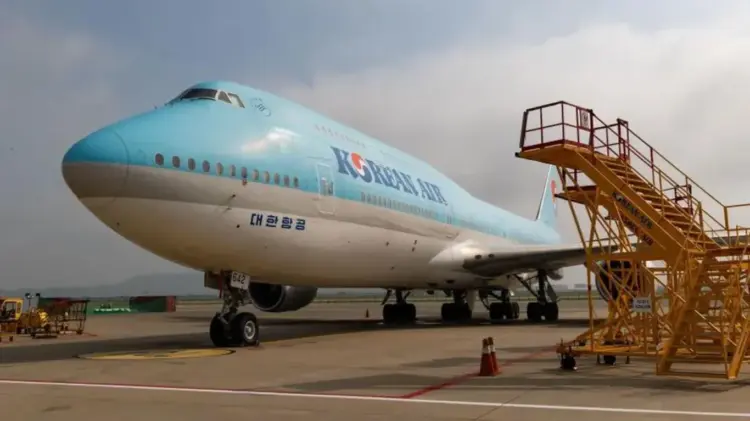
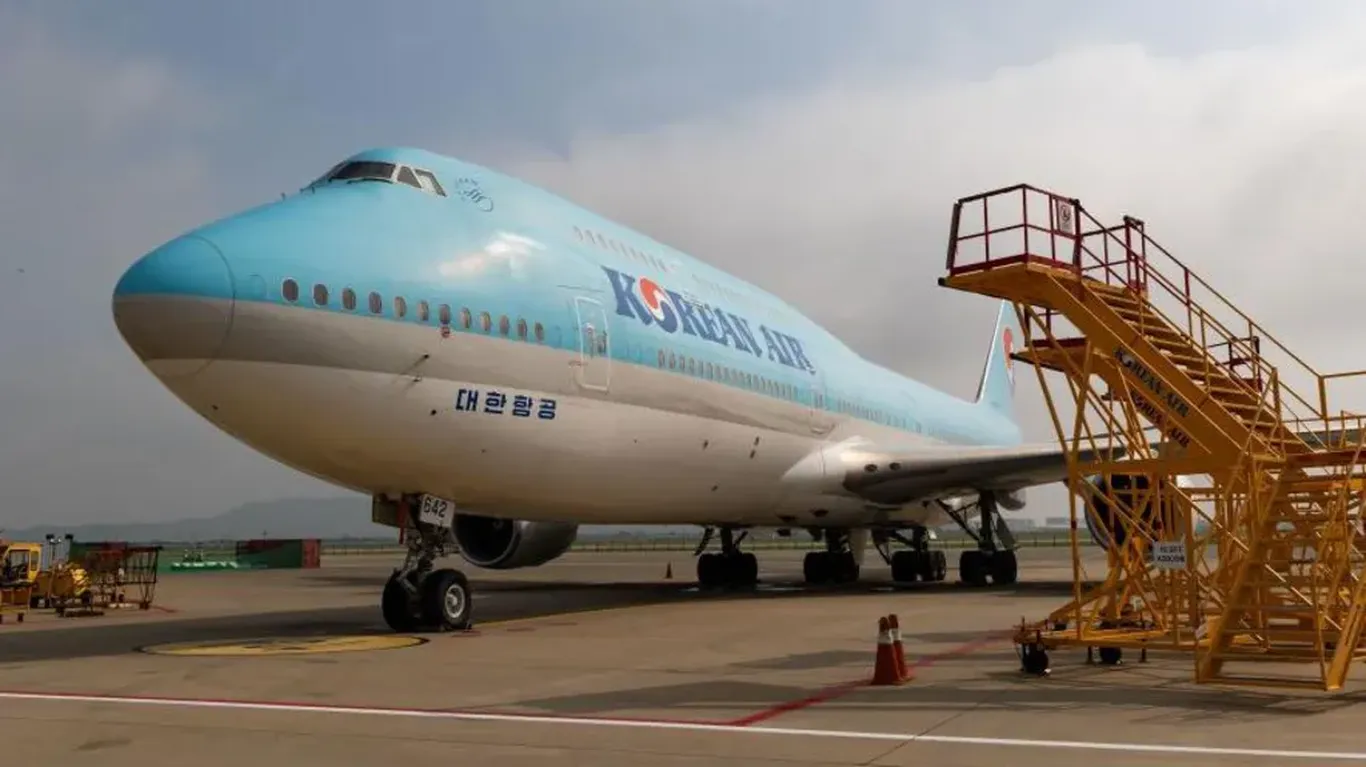
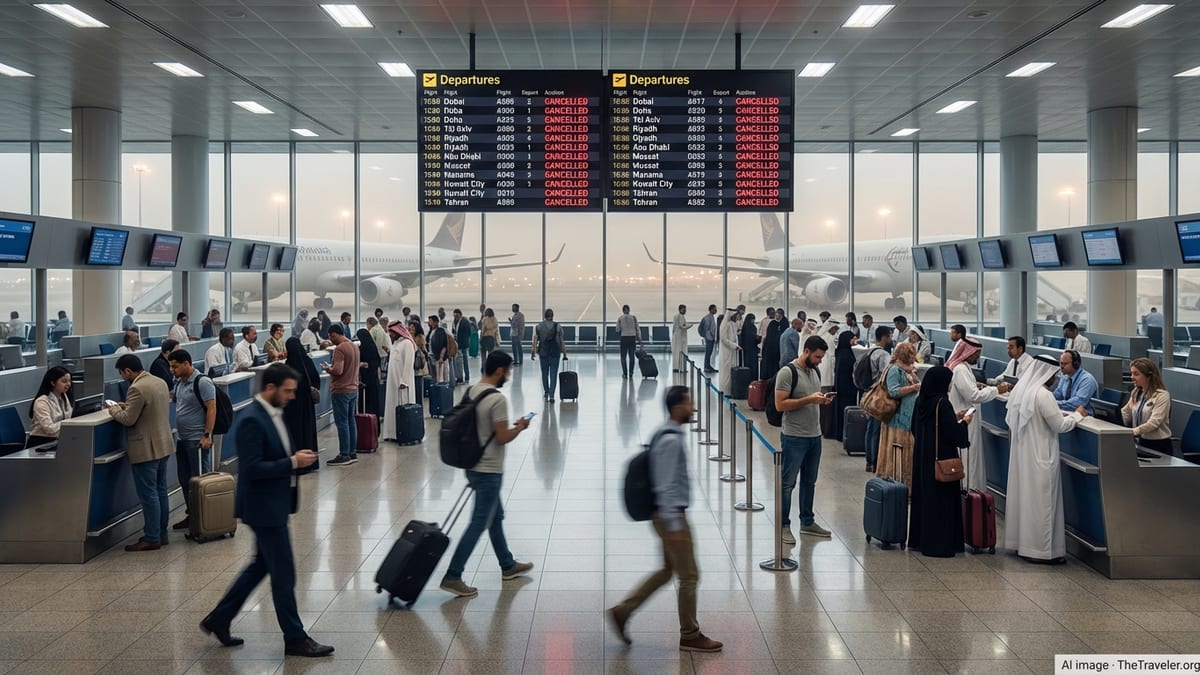
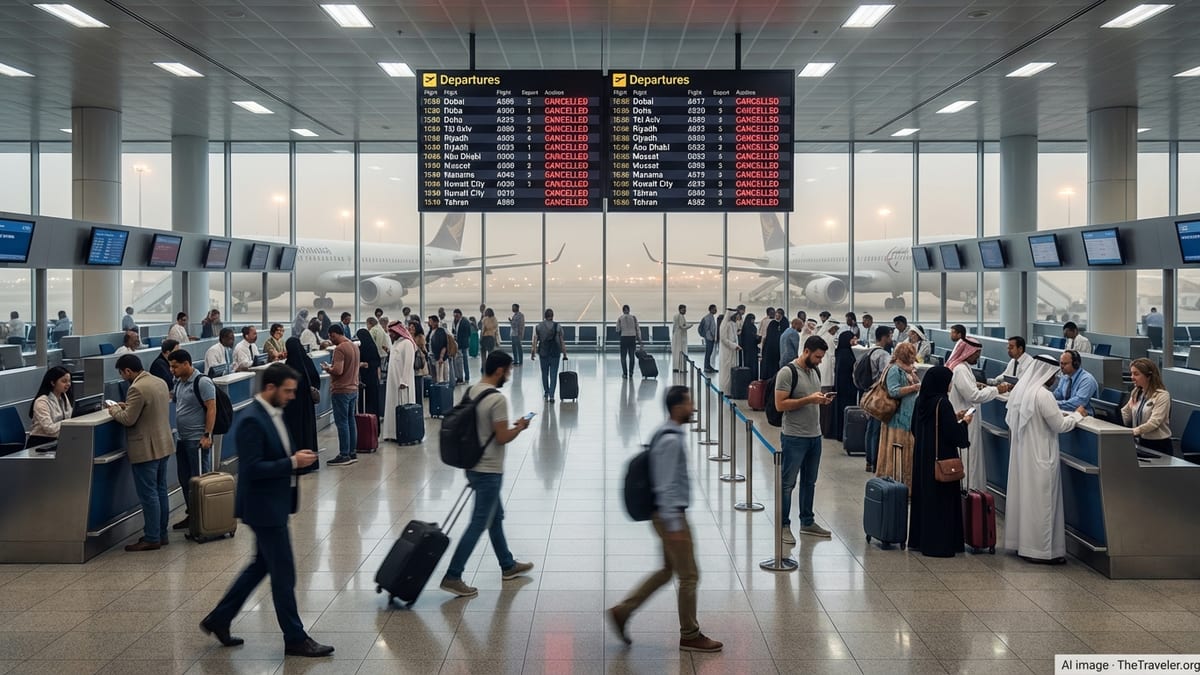
Korean Air is switching to emergency management mode due to rising fuel prices.
Comprehensive Summarization:
Korean Air has entered emergency management mode to maintain financial stability due to a sharp increase in aviation fuel prices and global economic fluctuations. This decision was made against the backdrop of the ongoing war between the US, Israel, and Iran, which is impacting the global economy. The airline plans to implement measures to reduce internal costs, as stated by a company representative on Tuesday. The article also references recent developments in travel trends and insights from thought leaders, highlighting the importance of cost management in the current economic climate.
Key Points:
Actionable Takeaways:
Cost Management in Aviation: Korean Air’s decision to enter emergency management mode and reduce internal costs highlights the critical role of cost management in the aviation industry, especially in response to rising fuel prices and economic uncertainties. This strategy is crucial for airlines to navigate through volatile economic conditions and maintain operational stability.
Impact of Geopolitical Tensions: The article underscores the significant impact of geopolitical tensions on the global economy, particularly in the travel sector. Airlines must remain vigilant and adaptable to external factors such as international conflicts, which can lead to increased operational costs and market volatility.
Contextual Insights:
The article reflects the current challenges faced by the aviation industry, particularly in managing costs amid rising fuel prices and economic uncertainties. The geopolitical tensions between major global powers are not only affecting global markets but also directly impacting the financial stability of airlines like Korean Air. This situation highlights the need for airlines to adopt agile cost management strategies and remain resilient in the face of external shocks. Furthermore, the article serves as a reminder of the broader implications of geopolitical events on various sectors, including travel tech, fintech, and startups, which must innovate and adapt to maintain competitiveness in a rapidly changing environment.
Read the Complete Article.
Get curated travel AI insights — choose the newsletters that matter to you.
ALTOUR Expands into Thailand, Strengthening Corporate Travel Network Across Southeast Asia BANGKOK, THAILAND (25 March, 2026) – ALTOUR, a leading...
Read moreDetails


Singapore — April 14, 2026 In short: Kirk Westaway and Stefan Heilemann collaborate on a one-day dining event at JAAN...
Read moreDetails