





















Travel Capitalist Ventures Expands Check Size to $10 Million to Deepen Emerging Market Conviction
Boutique Travel VC raises investment cap from $1.5M to $10M to lead rounds and support portfolio companies through growth Travel...
Read moreDetails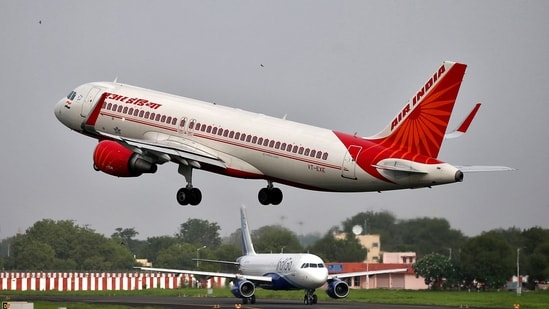

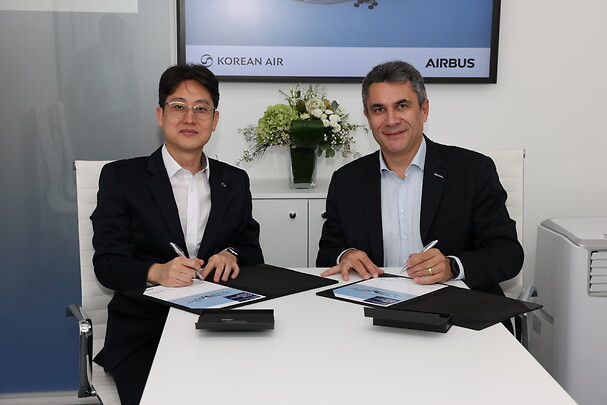
Korean Air signs for Airbus’ S. Fleet Performance+
Article Summary:
Korean Air has signed an agreement to implement Airbus’ S. Fleet Performance+ (S.FP+) solution across its entire Airbus fleet. This move marks a significant step forward in the airline’s digital transformation strategy and reinforces its commitment to operational excellence. The announcement was made during the MRO Europe 2025 event in London, highlighting the importance of data-driven solutions in the aviation industry.
Key Points:
Actionable Takeaways:
Contextual Insights:
The implementation of Airbus’ S.FP+ solution by Korean Air reflects a broader trend in the travel industry towards leveraging advanced technologies for operational excellence. As the industry continues to evolve, the integration of data-driven solutions becomes increasingly crucial. This move by Korean Air not only highlights the airline’s commitment to operational efficiency but also sets a precedent for other airlines to follow. Furthermore, the event’s focus on data-driven solutions underscores the growing importance of analytics and technology in shaping the future of air travel. For travel startups and fintech innovators, this trend presents opportunities to develop solutions that enhance operational efficiency and customer experience, potentially leading to new business models and revenue streams in the sector.
Read the Complete Article.
Boutique Travel VC raises investment cap from $1.5M to $10M to lead rounds and support portfolio companies through growth Travel...
Read moreDetails




