






No products in the cart.
- Latest
- Trending

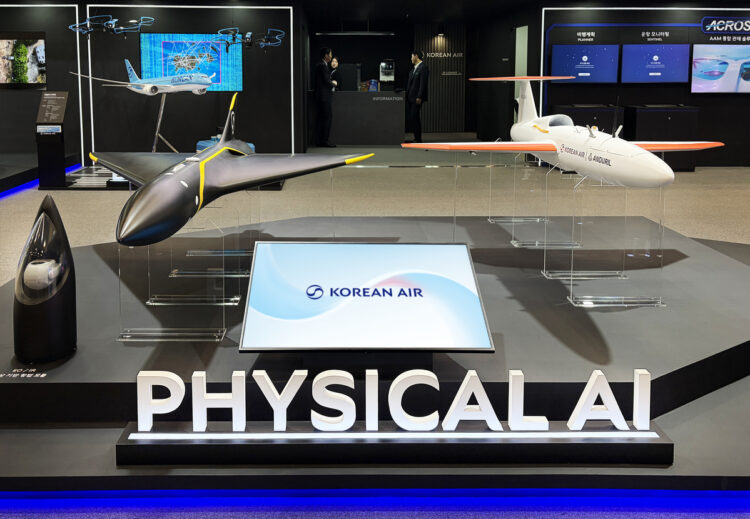
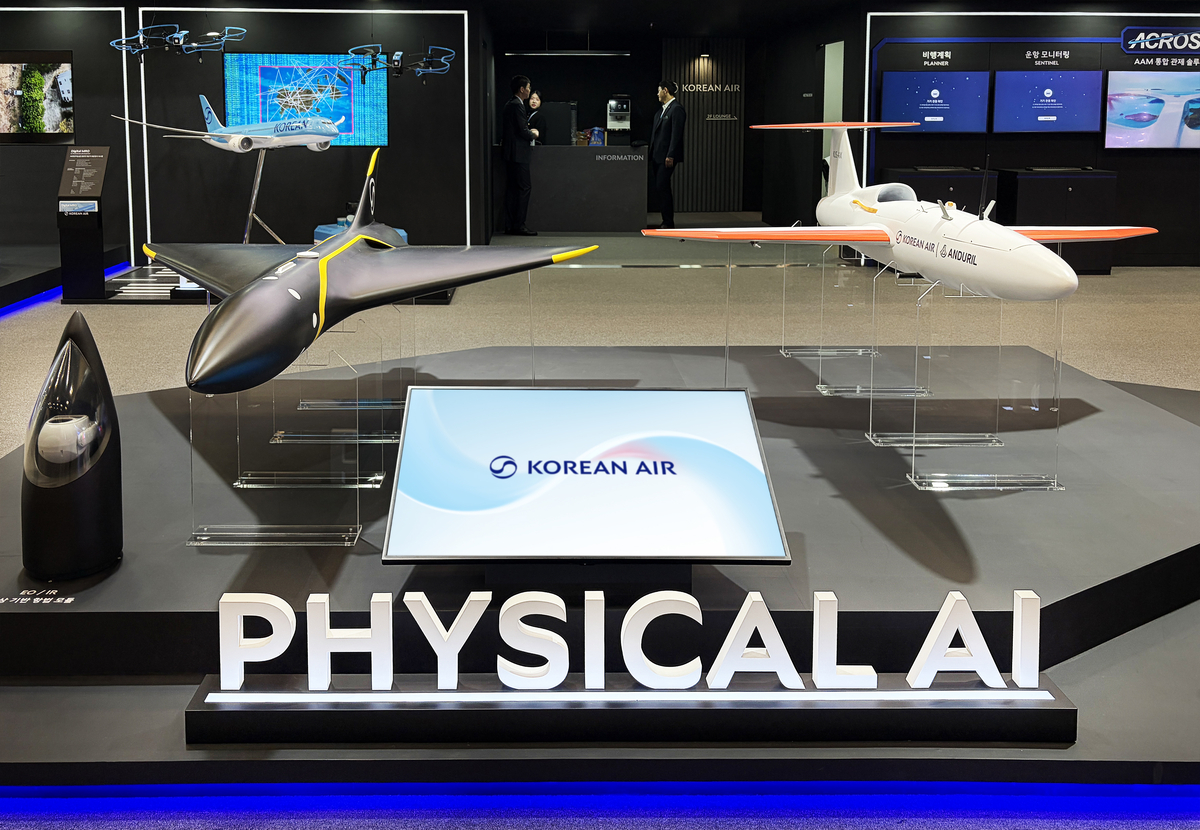
A high-speed unmanned aerial vehicle with physical AI being developed by Korean Air. Photo courtesy of Korean Air
Comprehensive Summarization:
Korean Air is advancing the development of next-generation unmanned aerial vehicles (UAVs) that integrate advanced artificial intelligence (AI) technology. The focus is on enhancing swarm control and mission autonomy through high-speed drone targets. This initiative was highlighted during a System Requirements Review meeting held by Korean Air on Thursday, signaling a significant step forward in their technological capabilities within the UAV sector.
Key Points:
Actionable Takeaways:
Enhanced UAV Capabilities: The development of AI-integrated UAVs by Korean Air represents a significant leap in UAV technology, potentially offering superior performance in terms of speed, control, and mission efficiency. This advancement could lead to more effective applications in military operations, surveillance, and logistics, providing a competitive edge in the UAV market.
Market Positioning: By focusing on next-generation UAV technology, Korean Air is positioning itself at the forefront of UAV innovation. This strategic move could enhance its market presence and attract partnerships or investments from entities interested in cutting-edge UAV solutions, thereby solidifying its leadership in the UAV sector.
Contextual Insights:
The development of AI-powered UAVs by Korean Air aligns with the broader trend of integrating artificial intelligence into various sectors of the travel and logistics industry. As travel becomes increasingly reliant on efficient and autonomous systems, the capabilities of UAVs are becoming more critical. This development reflects the ongoing transformation in the travel industry, where technology-driven solutions are becoming essential for enhancing operational efficiency and service delivery. Furthermore, the emphasis on swarm control and mission autonomy indicates a shift towards more sophisticated and adaptable UAV systems, which could set new standards in the industry. This move by Korean Air not only showcases their commitment to technological advancement but also highlights the growing importance of AI in shaping the future of travel and logistics.
Read the Complete Article.
Get curated travel AI insights — choose the newsletters that matter to you.
ALTOUR Expands into Thailand, Strengthening Corporate Travel Network Across Southeast Asia BANGKOK, THAILAND (25 March, 2026) – ALTOUR, a leading...
Read moreDetails


Comprehensive Summarization: Korean Air is advancing the development of next-generation unmanned aerial vehicles (UAVs) that integrate advanced artificial intelligence (AI)...
Read moreDetails