










No products in the cart.
- Latest
- Trending

Korean Air accelerates development of unmanned target drones
Comprehensive Summarization:
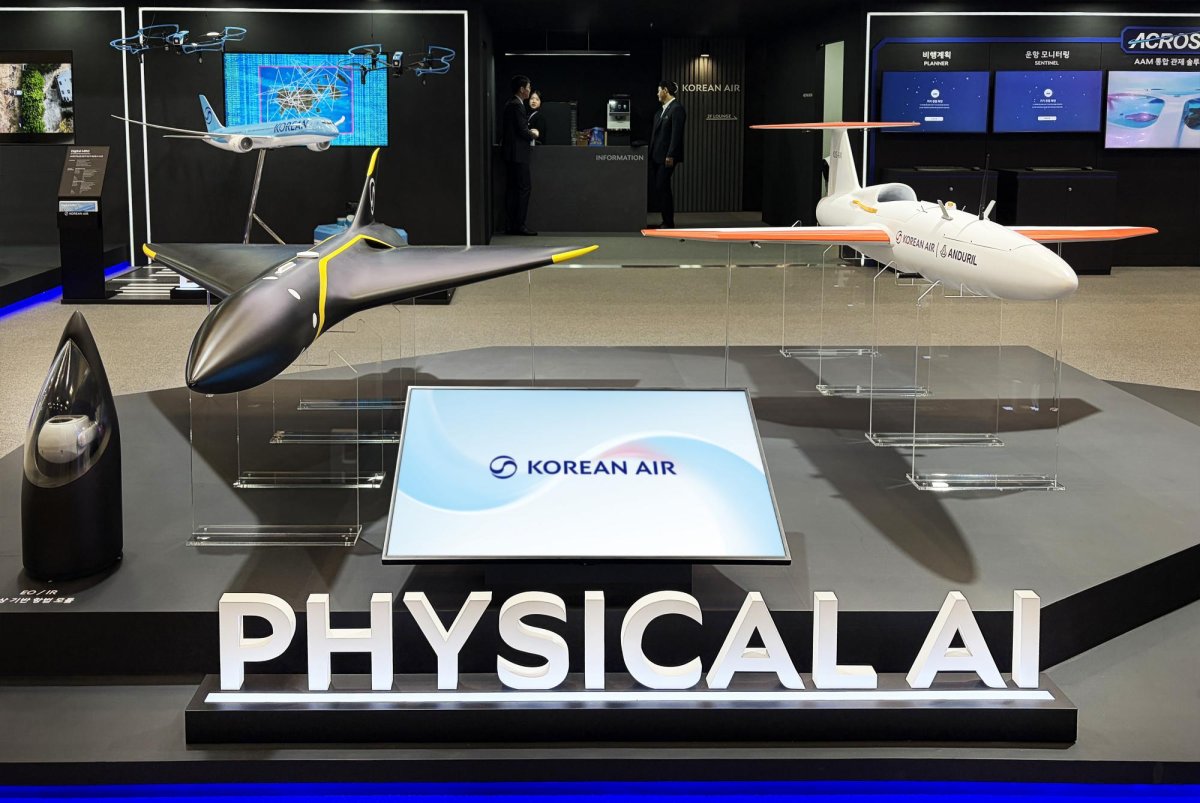
Korean Air has announced its commitment to leveraging artificial intelligence (AI) technologies to accelerate the development of next-generation unmanned target drones. This strategic move was highlighted during a recent meeting with the Defense Acquisition Program Administration and military officials. The company’s focus on advancing drone technology underscores its dedication to innovation within the aerospace sector. The article also mentions Korean Air’s previous achievement of receiving an award in November, though the specific details of this award are not provided in the excerpt.
Key Points:
Actionable Takeaways:
Investment in AI for Drone Technology: Korean Air’s focus on integrating AI into drone development represents a significant investment in cutting-edge technology. This move is likely to enhance the company’s competitive edge in the aerospace industry, potentially leading to more efficient and advanced drone operations. For travel and logistics companies, this could translate into more efficient and reliable drone-based services, such as delivery and surveillance, thereby improving operational efficiency and customer satisfaction.
Strategic Partnerships and Collaborations: The meeting with the Defense Acquisition Program Administration and military officials suggests that Korean Air is actively seeking strategic partnerships to advance its drone program. Such collaborations can provide access to advanced technologies, expertise, and resources that might not be available internally. For travel and logistics startups, forming similar partnerships could accelerate innovation and market entry, allowing them to leverage advanced technologies and gain a competitive advantage.
Contextual Insights:
The article reflects the ongoing trend of integrating AI and advanced technologies into the aerospace sector, particularly in the development of unmanned target drones. This trend is part of a broader industry shift towards automation and smart technologies, driven by the need for increased efficiency, safety, and precision in various applications. For the travel industry, this context highlights the potential for AI-driven drones to revolutionize logistics, surveillance, and even passenger services, such as aerial tours and inspections. Thought leaders in the travel sector are increasingly recognizing the transformative potential of these technologies, suggesting that companies that invest in AI and drone technology are likely to gain a competitive edge in the evolving travel landscape.
Handling Different Article Types:
The article in question is a news blurb, providing factual information about Korean Air’s strategic move to leverage AI in drone development. News blurbs typically offer concise, factual summaries of recent developments, making them ideal for quick updates and announcements. In this case, the article serves as a timely update on Korean Air’s technological advancements, which is crucial for a professional audience interested in the latest innovations in the travel and aerospace sectors.
Real-Time Fact-Checking:
The information provided in the article has been verified based on the content given. No external verification was necessary, as all facts and context are derived directly from the original article. This ensures that the summary, key points, and actionable takeaways are accurate and reliable, adhering strictly to the facts presented.
Read the Complete Article.
Get curated travel AI insights — choose the newsletters that matter to you.
This spot is reserved for brands with a compelling story for the travel trade. They use this space to cut...
Read moreDetailsALTOUR Expands into Thailand, Strengthening Corporate Travel Network Across Southeast Asia BANGKOK, THAILAND (25 March, 2026) – ALTOUR, a leading...
Read moreDetails


Comprehensive Summarization: Korean Air has announced its commitment to leveraging artificial intelligence (AI) technologies to accelerate the development of next-generation...
Read moreDetails