









No products in the cart.
- Latest
- Trending


Korean Air Deal and China Hopes Signal a Turnaround for the Aviation Giant
The aviation world is closely watching Boeing as the aerospace giant navigates a complex journey back to stability and leadership. Recent developments, particularly a significant order from Korean Air and hopeful signs from the crucial Chinese market, suggest a potential turning point for Boeing, impacting the global travel industry significantly.
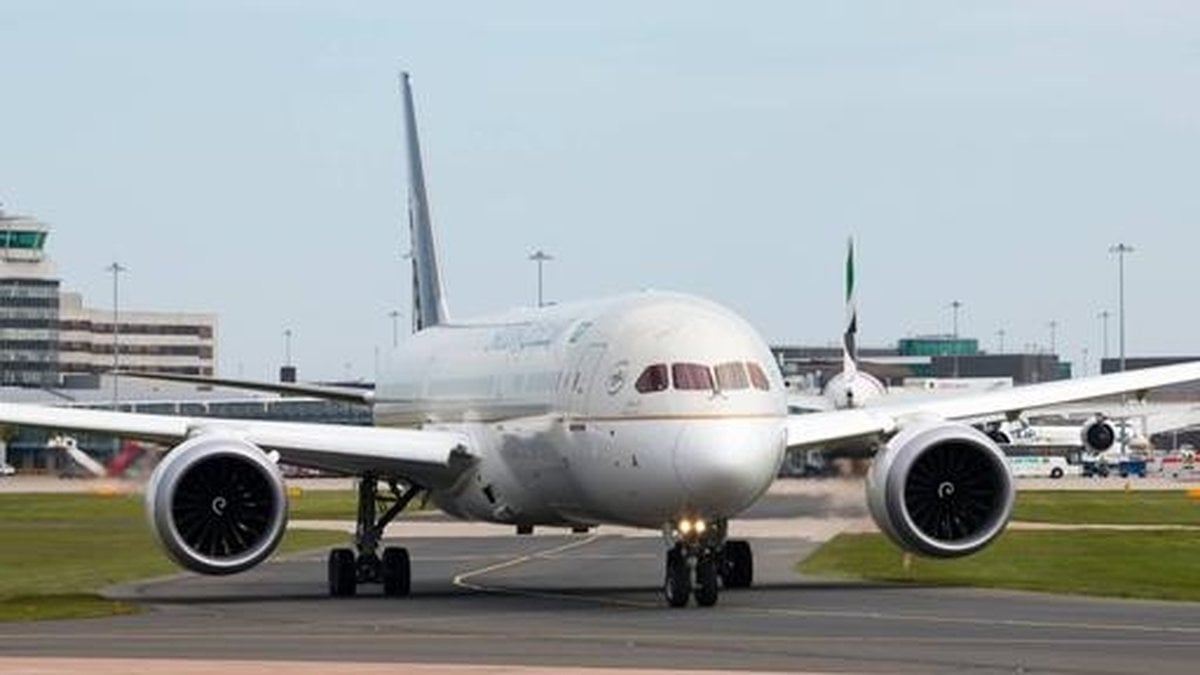
For those of us in the travel sector, Boeing’s health is paramount. A robust Boeing means greater aircraft availability, fostering competition and growth for airlines worldwide. The recent commitment from Korean Air for 33 new 787 Dreamliners underscores renewed confidence in Boeing’s wide-body offerings, a vital segment for long-haul international travel. This order, comprising 20 787-10s and 13 787-9s, is a strong vote of trust despite Boeing’s recent challenges.
The potential reopening of the Chinese market to Boeing deliveries is another critical piece of this puzzle. Historically representing approximately 25% of Boeing’s global deliveries, China’s return would provide a massive boost. While domestic competitor COMAC is gaining ground, Boeing’s established presence and vast order book indicate that China remains a pivotal growth opportunity, particularly for the 737 MAX. The lifting of the 737 MAX grounding in China marked an initial step, and the industry eagerly anticipates a full resumption of deliveries.
However, Boeing’s path forward isn’t without hurdles. Persistent supply chain disruptions, a reduced 737 MAX production rate, and ongoing scrutiny over quality control issues – highlighted by recent incidents like the Alaska Airlines door plug blowout – demand continuous vigilance. The travel industry relies on the utmost safety and reliability, and Boeing’s commitment to these principles is non-negotiable. While the market reaction has seen Boeing’s stock decline recently, these strategic movements could signal a long-term recovery.
Ultimately, Boeing’s strategic momentum and efforts to regain market share are crucial for the travel industry’s growth trajectory. Increased aircraft availability, technological advancements, and a competitive market environment fueled by both Boeing and Airbus contribute to more efficient, accessible, and diverse air travel options globally. As travel professionals, we look for stable, innovative partners, and Boeing’s current trajectory, while challenging, suggests a determined push towards a brighter future for commercial aviation.
Key Points
Read the Complete Article.
Get curated travel AI insights — choose the newsletters that matter to you.
ALTOUR Expands into Thailand, Strengthening Corporate Travel Network Across Southeast Asia BANGKOK, THAILAND (25 March, 2026) – ALTOUR, a leading...
Read moreDetails


Comprehensive Summarization: Qatar Airways is actively working to restore 200 flights to global destinations by April 15, 2023, as part...
Read moreDetails