

![Songjeong Beach is crowded with surfers. [Yonhap News]](https://images.traveltrade.today/wp-content/uploads/2026/04/Busan-Develops-Wellness-Tourism-Products.png)





















Travel Capitalist Ventures Expands Check Size to $10 Million to Deepen Emerging Market Conviction
Boutique Travel VC raises investment cap from $1.5M to $10M to lead rounds and support portfolio companies through growth Travel...
Read moreDetails

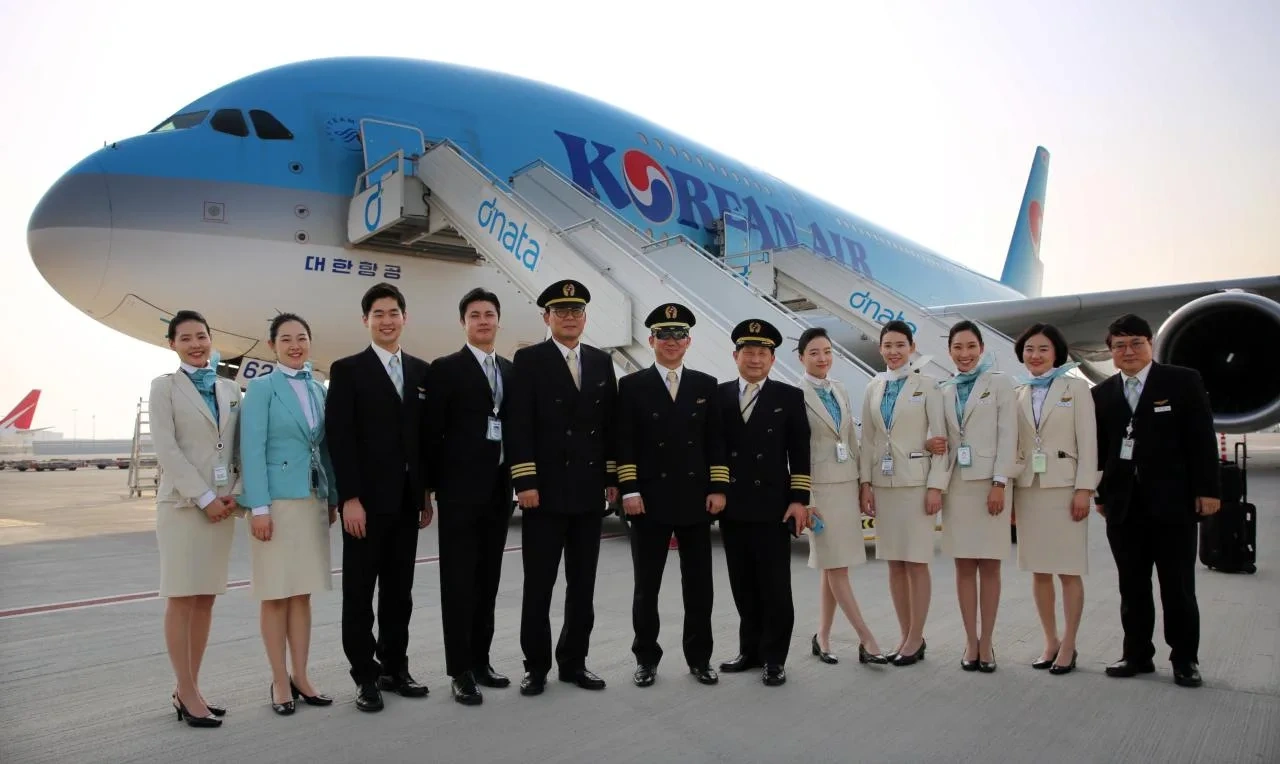
Concept Illustration of Rapid Nose Replacement Using Open Technology. <korean air></korean>
Article Summary:
KRIT and Korean Air have signed an agreement to develop an open unmanned aerial vehicle (UAV) technology platform. This platform allows for modular attachments for cameras and missiles, depending on the mission. The technology aims for low-cost, high-efficiency mass production, with the first application of K-MOSA. The concept illustration shows a rapid nose replacement using open technology, likened to LEGO blocks for easy component swapping.
Key Points:
Actionable Takeaways:
Contextual Insights:
The integration of open UAV technology into Korean Air’s operations reflects a broader trend in the travel industry towards leveraging advanced technologies for operational efficiency and cost reduction. This aligns with the increasing adoption of UAVs in various sectors, driven by advancements in artificial intelligence, sensor technology, and materials science. The emphasis on modular and customizable components mirrors the industry’s shift towards flexible, scalable solutions that can adapt to diverse operational needs. As travel startups and established companies continue to explore UAV applications, the emphasis on open platforms and mass production could accelerate the adoption of UAV technology, fostering innovation and competition in the sector.
Read the Complete Article.
Boutique Travel VC raises investment cap from $1.5M to $10M to lead rounds and support portfolio companies through growth Travel...
Read moreDetails



Comprehensive Summarization: The article highlights a new banking package offering priority access and loan benefits to customers. This package includes...
Read moreDetails
