









No products in the cart.
- Latest
- Trending


Qantas, Virgin Australia, Malaysia, Emirates, United, Ryanair, Korean Air, Singapore Airlines and Mo...
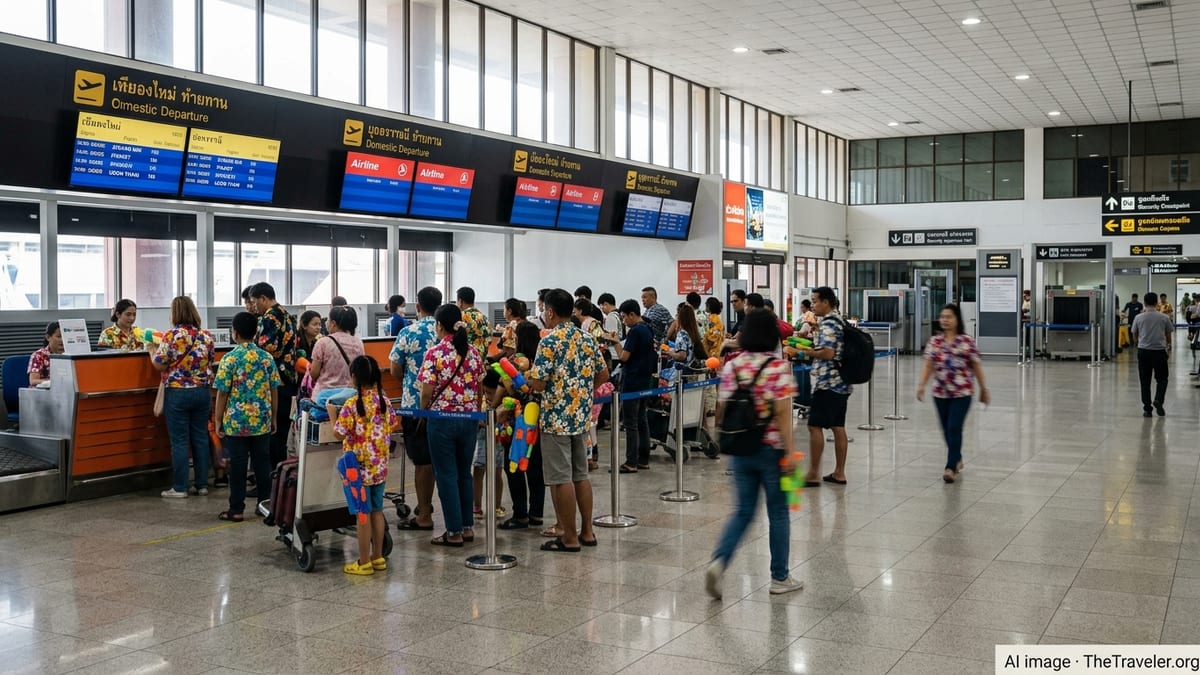
Travelers across Australia and beyond are facing significant disruptions as a wave of over 900 flight delays and cancellations continues to plague major carriers. Sydney, Melbourne, and Brisbane airports, key hubs for domestic and international travel, are bearing the brunt of these operational challenges. The ripple effect is being felt by a host of prominent airlines, including Qantas, Virgin Australia, Malaysia Airlines, Emirates, United Airlines, Ryanair, and Korean Air, among others.
The primary drivers behind this widespread chaos appear to be a complex interplay of factors. Adverse weather conditions have played a significant role, with storms and poor visibility grounding flights and impacting schedules. Compounding these natural challenges are ongoing industrial disputes and staff shortages within the aviation sector. These issues can lead to reduced operational capacity, impacting everything from ground handling to air traffic control.
The consequences for passengers are stark. Extended delays mean missed connections, disrupted travel plans, and increased stress. Cancellations force travelers to rebook, often at short notice and potentially at higher costs. The economic impact also extends to the tourism and hospitality sectors, which rely on seamless air travel to bring visitors and revenue.
While the article doesn’t delve into specific recovery plans for each airline, it highlights the industry-wide nature of the problem. Addressing these disruptions requires a multi-pronged approach, encompassing efficient weather management, robust staffing strategies, and proactive communication with passengers. Airlines are under immense pressure to restore reliability and rebuild traveler confidence.
For travelers planning trips involving Sydney, Melbourne, or Brisbane in the immediate future, it is highly advisable to check flight status regularly, allow ample buffer time for travel, and consider flexible booking options. Staying informed and adaptable will be key to navigating this turbulent period in air travel. The industry’s ability to overcome these current hurdles will be crucial for its long-term health and the seamless experience of global travelers.
Read the Complete Article.
Get curated travel AI insights — choose the newsletters that matter to you.
ALTOUR Expands into Thailand, Strengthening Corporate Travel Network Across Southeast Asia BANGKOK, THAILAND (25 March, 2026) – ALTOUR, a leading...
Read moreDetails


Comprehensive Summarization: The article discusses Iran's defiance and threats against recreational and tourist sites globally, despite continuing missile development. The...
Read moreDetails