



















Travel Capitalist Ventures Expands Check Size to $10 Million to Deepen Emerging Market Conviction
Boutique Travel VC raises investment cap from $1.5M to $10M to lead rounds and support portfolio companies through growth Travel...
Read moreDetails
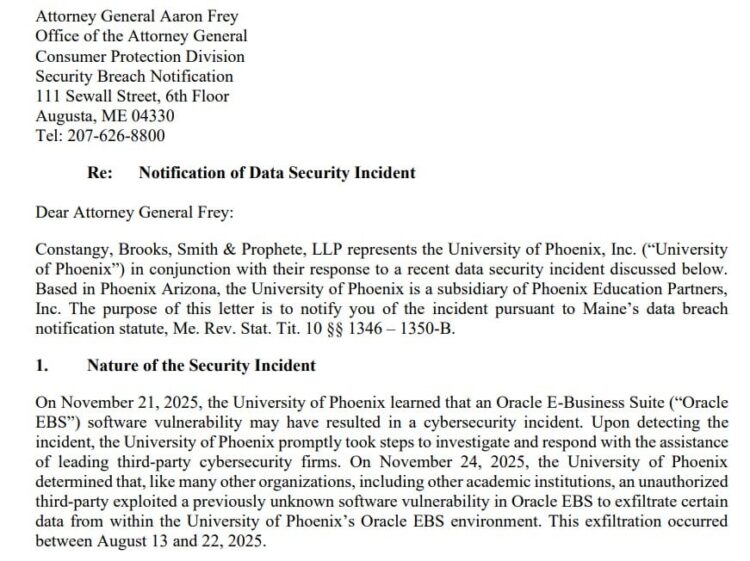
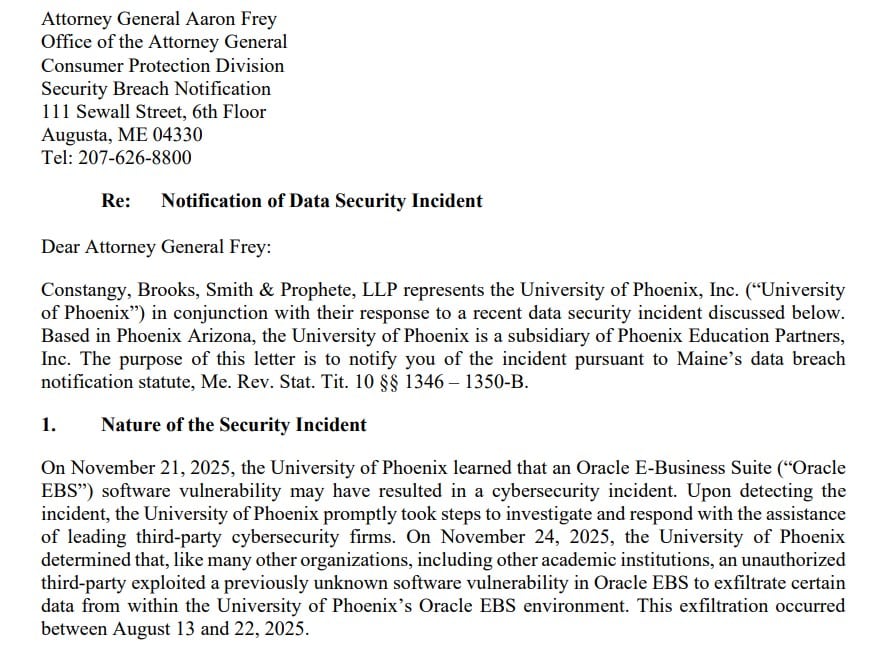
Oracle EBS Victims Include Korean Air, University Of Phoenix
Article Summary:
The article reports on the ongoing aftermath of the CL0P ransomware group’s August campaign targeting Oracle E-Business Suite vulnerabilities. Korean Air and the University of Phoenix are among the latest organizations to reveal details of the breach. The University of Phoenix disclosed the incident through a SEC filing, confirming its status as one of the victims of the attack. The article also hints at the broader implications for the travel industry, referencing the latest travel trends and insights from thought leaders.
Key Points:
Actionable Takeaways:
Contextual Insights:
The CL0P ransomware group’s targeting of Oracle E-Business Suite vulnerabilities underscores the persistent and evolving threat landscape in the travel industry. As travel companies increasingly rely on digital platforms for operations, the risk of cyberattacks grows. The breach at the University of Phoenix, disclosed through a SEC filing, highlights the importance of regulatory compliance and transparency in managing such incidents. This case serves as a cautionary tale for travel startups and established firms alike, emphasizing the need for proactive cybersecurity measures and effective communication strategies. Looking forward, the travel industry must continue to innovate in fintech and travel tech to not only protect against cyber threats but also to leverage technology for enhanced customer experiences and operational efficiencies.
Read the Complete Article.
Boutique Travel VC raises investment cap from $1.5M to $10M to lead rounds and support portfolio companies through growth Travel...
Read moreDetails



Comprehensive Summarization: The World Travel & Tourism Council (WTTC) has released its latest report, "Cruising for Impact," which highlights the...
Read moreDetails
