

























Travel Capitalist Ventures Expands Check Size to $10 Million to Deepen Emerging Market Conviction
Boutique Travel VC raises investment cap from $1.5M to $10M to lead rounds and support portfolio companies through growth Travel...
Read moreDetails

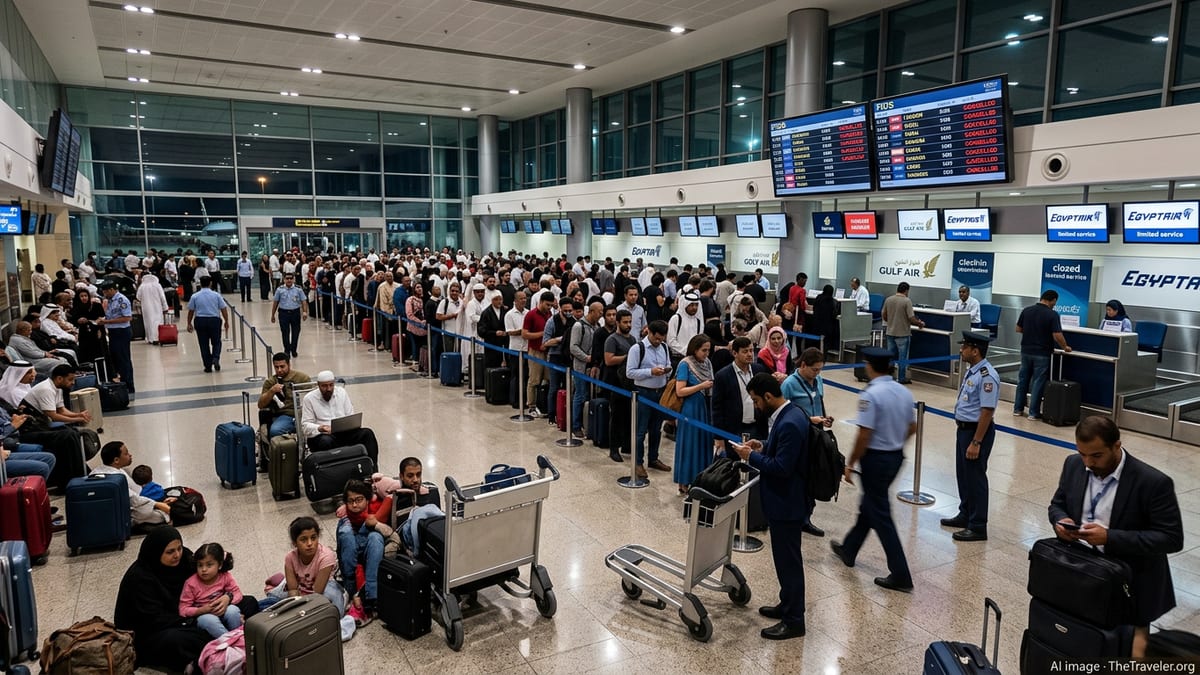
Qatar Airways, Air India, China‑based Carriers, Korean Air, Thai Airlines, Air Arabia and More Airli...
Article Summary:
The article reports on significant flight delays affecting multiple airlines, including Qatar Airways, Air India, Chinese carriers, Korean Air, Thai Airlines, Air Arabia, and others, at Tribhuvan International Airport in Kathmandu, Nepal. The disruptions are attributed to a major IT outage at the airport, which has caused widespread travel disruptions across the region. The incident highlights the critical role of IT infrastructure in the travel industry and its impact on global air travel operations.
Key Points:
Actionable Takeaways:
Contextual Insights:
The IT outage at Tribhuvan International Airport underscores the vulnerability of the travel industry to technological failures, especially in regions where air travel is a critical component of global connectivity. This incident highlights the need for the industry to invest in resilient IT infrastructure to ensure seamless operations and minimize the impact of such disruptions. As travel continues to be a vital sector for economic growth and international connectivity, the ability to quickly recover from IT-related setbacks will be crucial. Furthermore, the incident serves as a reminder of the importance of effective communication strategies during crises, which can significantly influence passenger perception and loyalty. Looking forward, the travel industry must continue to innovate and adapt its technological capabilities to handle unforeseen challenges, ensuring a smoother travel experience for millions of passengers worldwide.
Read the Complete Article.
Boutique Travel VC raises investment cap from $1.5M to $10M to lead rounds and support portfolio companies through growth Travel...
Read moreDetails




