Comprehensive Summarization:
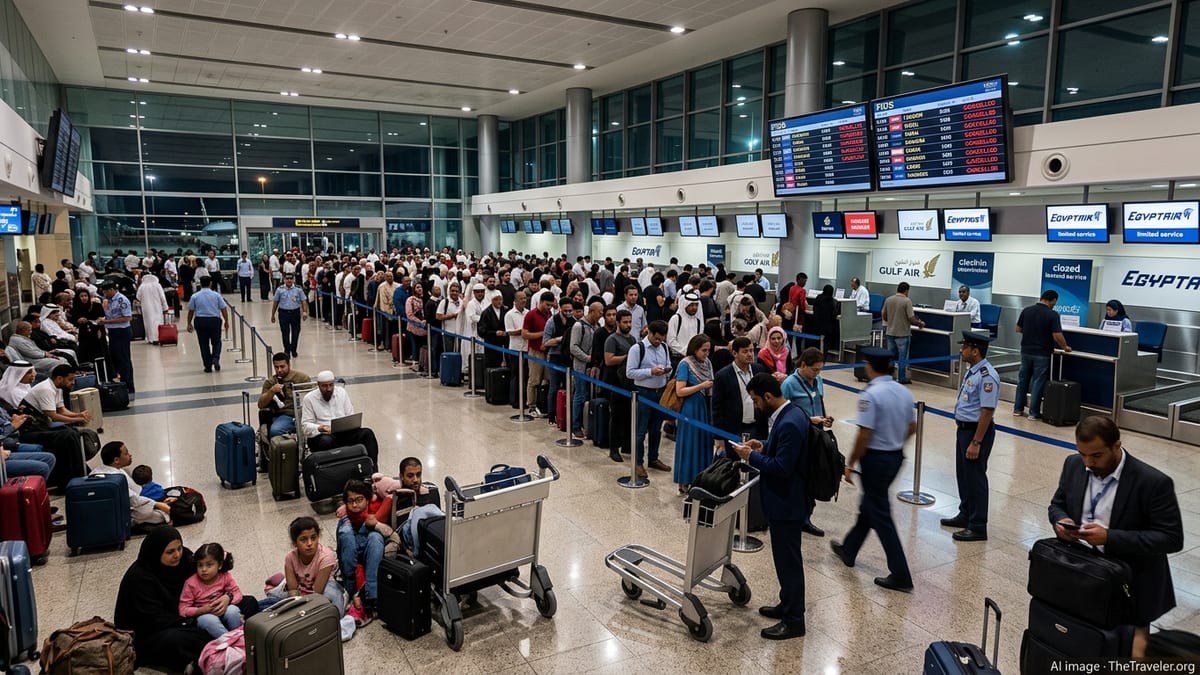
The article reports on significant travel disruptions in South Korea caused by the cancellation of 13 flights by Qatar Airways, Korean Air, and Air Seoul. These cancellations affected routes to various destinations including Doha, Guam, Busan, Incheon, Seoul Gimpo, and Jeju. The disruption occurred at South Korea’s major airports, impacting both domestic and international travel. The article highlights the impact on the aviation network and the broader travel industry in South Korea, emphasizing the need for resilience and adaptability in travel planning and operations.
Key Points:
- Flight Cancellations: A total of 13 flights were cancelled by Qatar Airways, Korean Air, and Air Seoul, disrupting travel to multiple destinations in South Korea.
- Affected Routes: The cancellations impacted routes to Doha, Guam, Busan, Incheon, Seoul Gimpo, and Jeju, affecting both domestic and international travelers.
- Impact on Aviation Network: The disruptions highlight vulnerabilities in South Korea’s aviation network, particularly at major airports, and underscore the challenges faced by airlines in maintaining service continuity.
- Industry Context: The article is set within the broader context of recent travel disruptions and the ongoing challenges faced by airlines in managing operational disruptions.
Actionable Takeaways:
- Enhanced Operational Resilience: Airlines should invest in robust operational resilience strategies, including real-time monitoring and flexible scheduling, to mitigate the impact of unexpected cancellations. This can help maintain service continuity and customer trust.
- Customer Communication Strategies: Airlines should develop clear and timely communication strategies to inform passengers about cancellations and provide alternative travel options. Effective communication can help manage customer expectations and reduce dissatisfaction.
- Collaborative Solutions: The travel industry should explore collaborative solutions, such as partnerships between airlines and airports, to enhance capacity and flexibility in managing disruptions. This can include shared resources and coordinated scheduling to minimize the impact of cancellations.
Contextual Insights:
The recent flight cancellations in South Korea reflect broader trends in the travel industry, where operational disruptions can have significant impacts on travel planning and consumer confidence. The article underscores the importance of technological advancements in travel tech, such as real-time flight tracking and automated customer communication systems, which can enhance operational efficiency and customer satisfaction. Furthermore, the disruptions highlight the need for continuous innovation in fintech solutions to support travel disruptions, such as flexible booking policies and seamless reimbursement processes. As the travel industry continues to evolve, staying ahead of emerging trends and leveraging technological innovations will be crucial for maintaining competitiveness and resilience.
Read the Complete Article.