























Travel Capitalist Ventures Expands Check Size to $10 Million to Deepen Emerging Market Conviction
Boutique Travel VC raises investment cap from $1.5M to $10M to lead rounds and support portfolio companies through growth Travel...
Read moreDetails

Comprehensive Summarization:
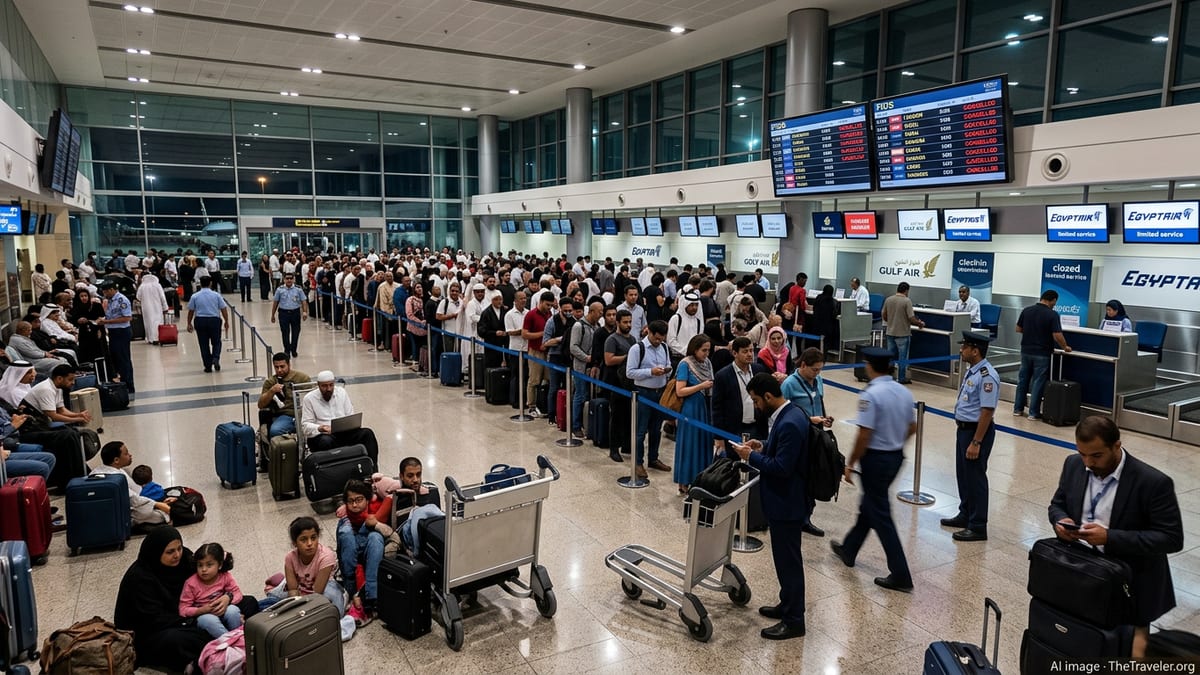
The article reports on significant travel disruptions in Seoul, South Korea, caused by a series of flight delays and cancellations at Gimpo International Airport. The disruptions involve multiple carriers, including Korean Air, Air Busan, All Nippon, China Eastern, and Eastarjet, affecting routes to Jeju and Gimhae. The article highlights the impact on travelers and the broader implications for the travel industry, emphasizing the need for robust travel tech solutions to manage such disruptions effectively.
Key Points:
Actionable Takeaways:
Contextual Insights:
The disruptions at Gimpo International Airport reflect broader challenges faced by the travel industry in managing unforeseen events. The article aligns with current industry trends emphasizing the importance of technology in enhancing operational resilience. Thought leaders suggest that the integration of AI and machine learning in travel tech can provide predictive analytics to anticipate and mitigate disruptions. Additionally, the rise of travel startups focusing on innovative solutions for real-time travel management is a notable trend, indicating a shift towards more agile and responsive travel services. These insights suggest a forward-looking perspective on the industry’s evolution, with a strong emphasis on leveraging technology to enhance reliability and passenger satisfaction.
Read the Complete Article.
Boutique Travel VC raises investment cap from $1.5M to $10M to lead rounds and support portfolio companies through growth Travel...
Read moreDetails



