





















Travel Capitalist Ventures Expands Check Size to $10 Million to Deepen Emerging Market Conviction
Boutique Travel VC raises investment cap from $1.5M to $10M to lead rounds and support portfolio companies through growth Travel...
Read moreDetails
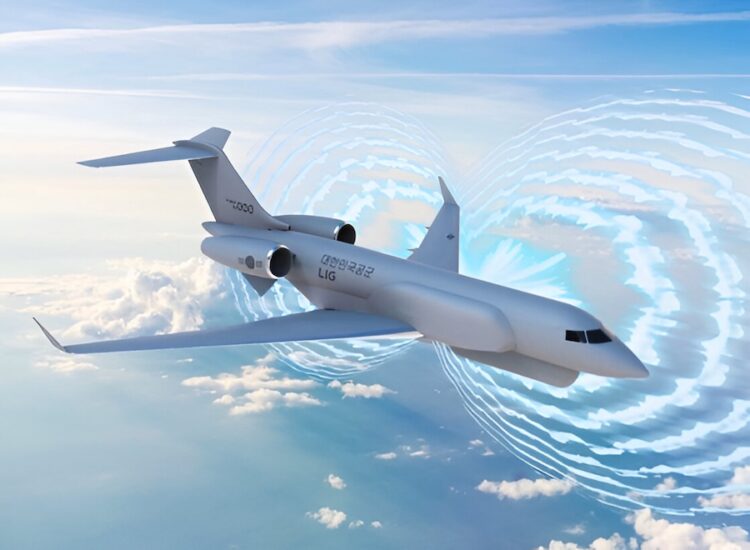
Image: LIG Nex1.
Article Summary:
The Republic of Korea has commissioned LIG Nex1 and Korean Air to design its first domestically developed electronic warfare aircraft, with systems adapted for remote operation. The project, valued at 1.56 trillion won (approximately USD 1.1 billion), is being managed by the Defense Acquisition Program Administration. LIG Nex1 will serve as the prime contractor, with Korean Air as the main partner. The prototype is set to be completed by June 2034.
Key Points:
Actionable Takeaways:
Contextual Insights:
The development of Korea’s first domestically designed electronic warfare aircraft reflects a broader trend in the global defense industry towards self-reliance and technological innovation. As countries seek to reduce dependence on foreign technology, there is a growing emphasis on domestic defense production. This initiative by the Republic of Korea aligns with this trend, showcasing the nation’s strategic focus on enhancing its defense capabilities through advanced technology.
Moreover, the collaboration between LIG Nex1 and Korean Air highlights the increasing importance of partnerships in the defense sector. Such collaborations can accelerate innovation, leverage complementary strengths, and reduce development costs. This approach is likely to be adopted by other defense contractors worldwide, fostering a more interconnected and collaborative defense technology landscape.
The long-term vision for the completion of the prototype by 2034 underscores the importance of strategic planning in defense technology development. It suggests that Korea is prepared to invest significant resources and time into research and development, potentially leading to breakthroughs in electronic warfare technology. This could have far-reaching implications for the global defense industry, influencing future defense strategies and procurement decisions.
Read the Complete Article.
Boutique Travel VC raises investment cap from $1.5M to $10M to lead rounds and support portfolio companies through growth Travel...
Read moreDetails



Comprehensive Summarization: The article discusses how Alaska Airlines has joined a growing list of major airlines, including American, Delta, United,...
Read moreDetails
