


















Travel Capitalist Ventures Expands Check Size to $10 Million to Deepen Emerging Market Conviction
Boutique Travel VC raises investment cap from $1.5M to $10M to lead rounds and support portfolio companies through growth Travel...
Read moreDetails
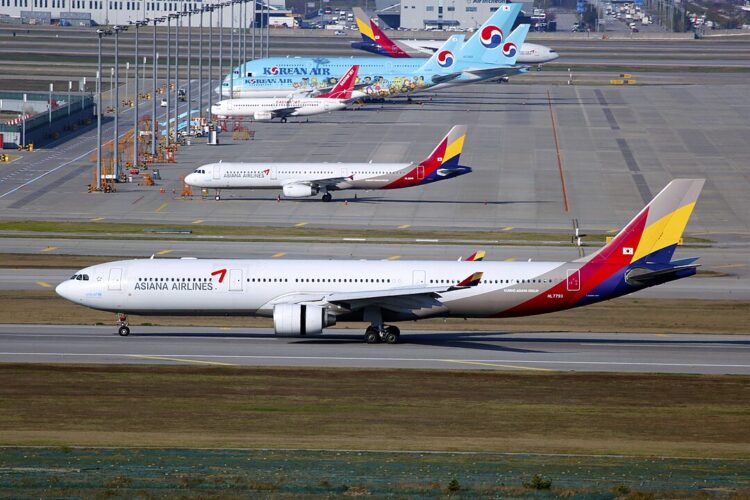
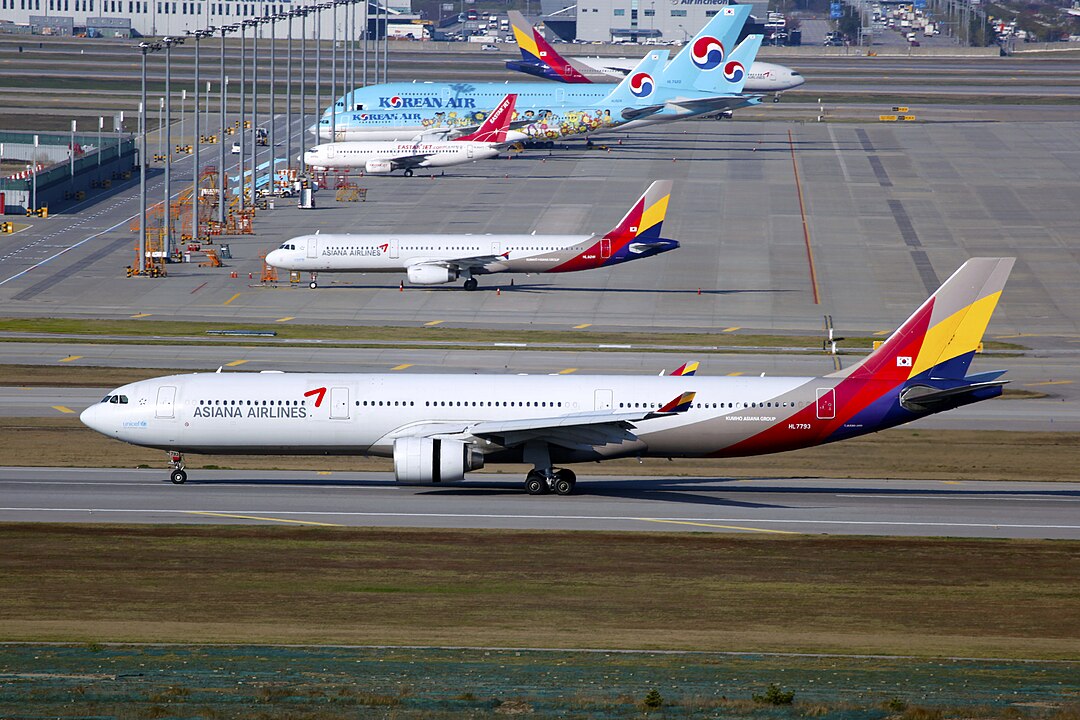
Photo- 74777; GoodFon.com
Article Summary:
South Korea’s Fair-Trade Commission (FTC) has announced the redistribution of 10 air routes currently monopolized by Korean Air and Asiana Airlines. This decision is part of the oversight of the carriers’ merger agreement, aimed at ensuring fair access to key international and domestic routes and preventing a single airline from dominating critical markets.
Key Points:
Actionable Takeaways:
Contextual Insights:
The decision by the FTC to redistribute routes is a significant development in the South Korean aviation sector, reflecting broader trends of regulatory scrutiny in the wake of major airline mergers. This move is consistent with the global trend towards ensuring fair competition in the travel industry, where market dominance can stifle innovation and limit consumer choice. The initiative also highlights the evolving role of regulatory bodies in shaping the dynamics of the aviation sector, particularly in markets undergoing significant consolidation. As the travel industry continues to adapt to technological advancements and changing consumer preferences, regulatory frameworks will play a crucial role in balancing the interests of airlines, consumers, and the broader economy.
Read the Complete Article.
Boutique Travel VC raises investment cap from $1.5M to $10M to lead rounds and support portfolio companies through growth Travel...
Read moreDetails




