

















Travel Capitalist Ventures Expands Check Size to $10 Million to Deepen Emerging Market Conviction
Boutique Travel VC raises investment cap from $1.5M to $10M to lead rounds and support portfolio companies through growth Travel...
Read moreDetails
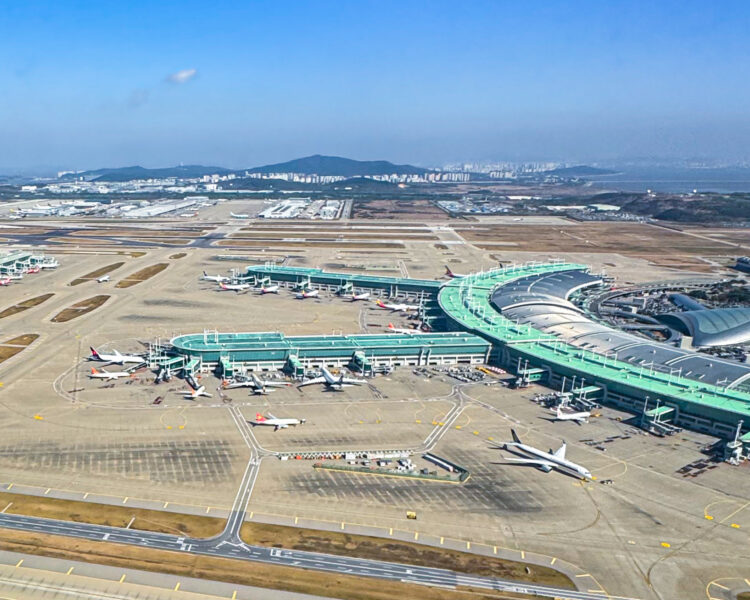
Photo: Hyeonwoo Noh / Wikimedia
Article Summary:
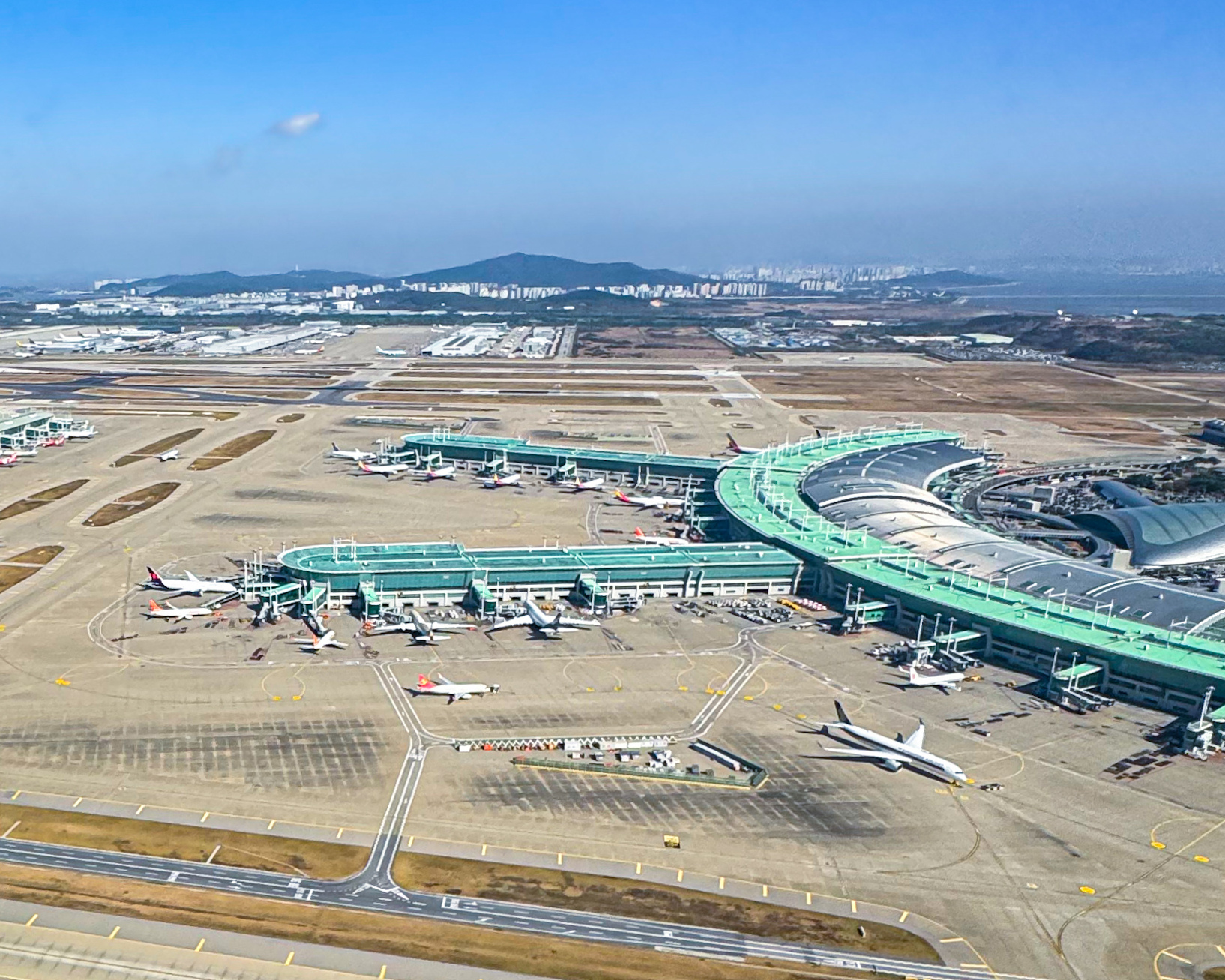
The article highlights the significance of the College Scholastic Ability Test (CSAT) in South Korea, a crucial university-entrance examination that causes a temporary nationwide quiet. This day, known as “Exam Day,” sees skies emptied, engines stilled, and sirens hushed, reflecting the collective pause as students prepare for this pivotal test. The piece also touches on the broader travel industry context, incorporating insights from thought leaders on recent travel trends and technological advancements.
Key Points:
CSAT Examination: The article emphasizes the significance of the CSAT in South Korea, noting its role as a crucial university-entrance examination that temporarily halts daily activities across the nation.
Travel Industry Context: The article integrates insights from travel industry thought leaders, discussing recent trends and technological advancements impacting the sector.
Innovations in Travel Tech: There is a mention of innovations in travel technology, reflecting the evolving landscape of the industry, particularly in how technology is shaping travel experiences and operations.
Actionable Takeaways:
Emphasis on Preparation and Timing: For professionals in the travel industry, the article underscores the importance of timing and preparation, especially around major events like the CSAT. This can inform marketing strategies, particularly around travel advisories and promotions leading up to significant academic events in host countries.
Leveraging Technology for Enhanced Travel Experiences: The article highlights advancements in travel technology, suggesting that travel companies should invest in tech-driven solutions to enhance customer experiences. This could include leveraging data analytics for personalized travel recommendations or utilizing AI for real-time travel updates and assistance.
Market Adaptation to Academic Events: Companies operating in regions with significant academic events should consider adapting their offerings to align with these timelines. This could involve creating travel packages tailored to students preparing for exams or offering special deals during periods of high academic activity.
Contextual Insights:
The article’s context is deeply rooted in the cultural and academic significance of the CSAT in South Korea. Understanding this event’s impact on daily life and travel patterns provides valuable insights into consumer behavior during such periods. For the travel industry, this means recognizing the potential for increased travel demand or changes in travel behavior around exam periods. Additionally, the integration of insights from travel industry thought leaders underscores the importance of staying abreast of technological advancements and market trends to remain competitive. The forward-looking perspective provided by these insights can guide travel companies in adopting innovative strategies to meet evolving consumer needs and preferences.
Handling Different Article Types:
The article falls under the category of a news brief, providing factual information about a significant event in South Korea and its implications for the travel industry. The structured output format ensures that the summary, key points, and actionable takeaways are presented in a clear and professional manner, suitable for a professional audience. This format allows for easy integration into reports, presentations, or other professional materials, facilitating quick comprehension and action based on the article’s content.
Read the Complete Article.
Boutique Travel VC raises investment cap from $1.5M to $10M to lead rounds and support portfolio companies through growth Travel...
Read moreDetails




