

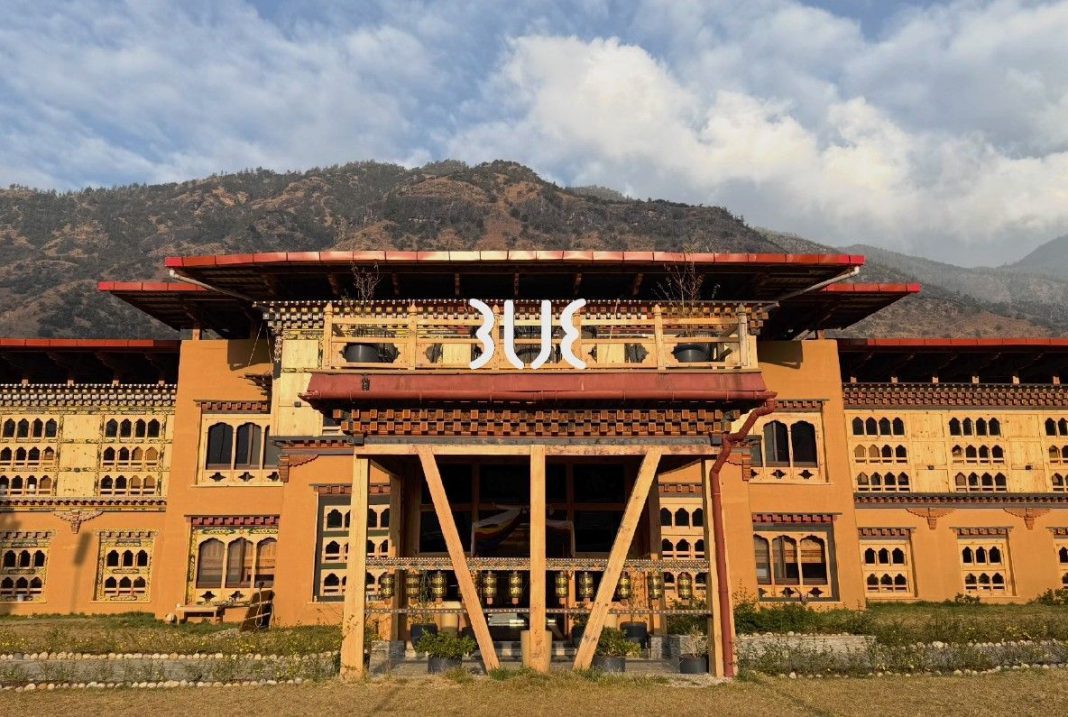



















Travel Capitalist Ventures Expands Check Size to $10 Million to Deepen Emerging Market Conviction
Boutique Travel VC raises investment cap from $1.5M to $10M to lead rounds and support portfolio companies through growth Travel...
Read moreDetails

Travel Disruptions Hit South Korea as Korean Air, Asiana, Delta, and More Cancel 11 Flights, Impacti...
Comprehensive Summarization:
The article reports on significant travel disruptions in South Korea, with Korean Air, Asiana, and Delta among others canceling a total of 11 flights across major airports including Gimhae, Gimpo, and Incheon. These cancellations are impacting key routes across Seoul, Busan, Jeju, New Chitose, Seattle, Atlanta, and more. The disruption is causing inconvenience for travelers, particularly those heading to destinations such as Jeju, Gimpo, New Chitose, and Chubu. The article highlights the challenges faced by travelers in navigating these disruptions and the broader implications for the travel industry in South Korea.
Key Points:
Actionable Takeaways:
Contextual Insights:
The recent flight cancellations in South Korea underscore the vulnerabilities within the global travel infrastructure, particularly in regions heavily reliant on international air travel. This incident highlights the need for airlines to enhance their operational resilience, including investing in backup crew and aircraft to minimize cancellations. Moreover, the disruption emphasizes the importance of flexible travel policies and robust communication channels to manage passenger expectations and minimize the impact on travelers. As the travel industry continues to recover from the impacts of recent global events, such as the COVID-19 pandemic, these insights are crucial for shaping future strategies aimed at enhancing reliability and customer satisfaction in air travel.
Read the Complete Article.
Boutique Travel VC raises investment cap from $1.5M to $10M to lead rounds and support portfolio companies through growth Travel...
Read moreDetails



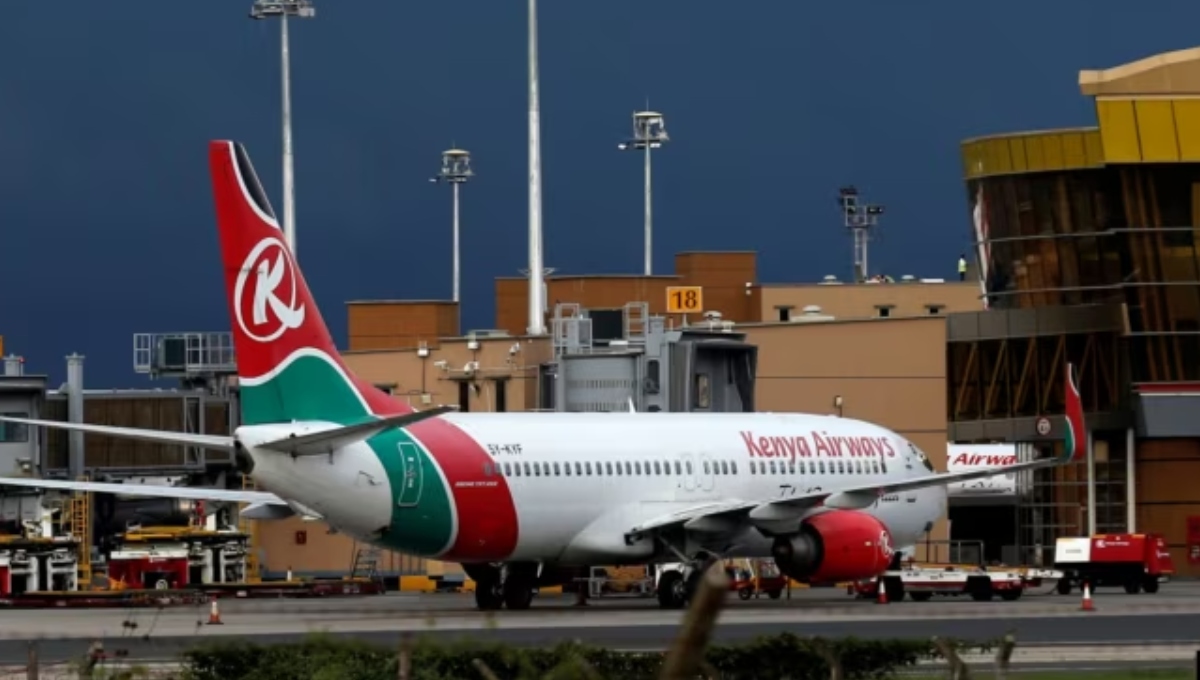
Comprehensive Summarization: On April 10, 2026, several Kenya Airways flights were diverted to Moi International Airport in Mombasa due to...
Read moreDetails
