
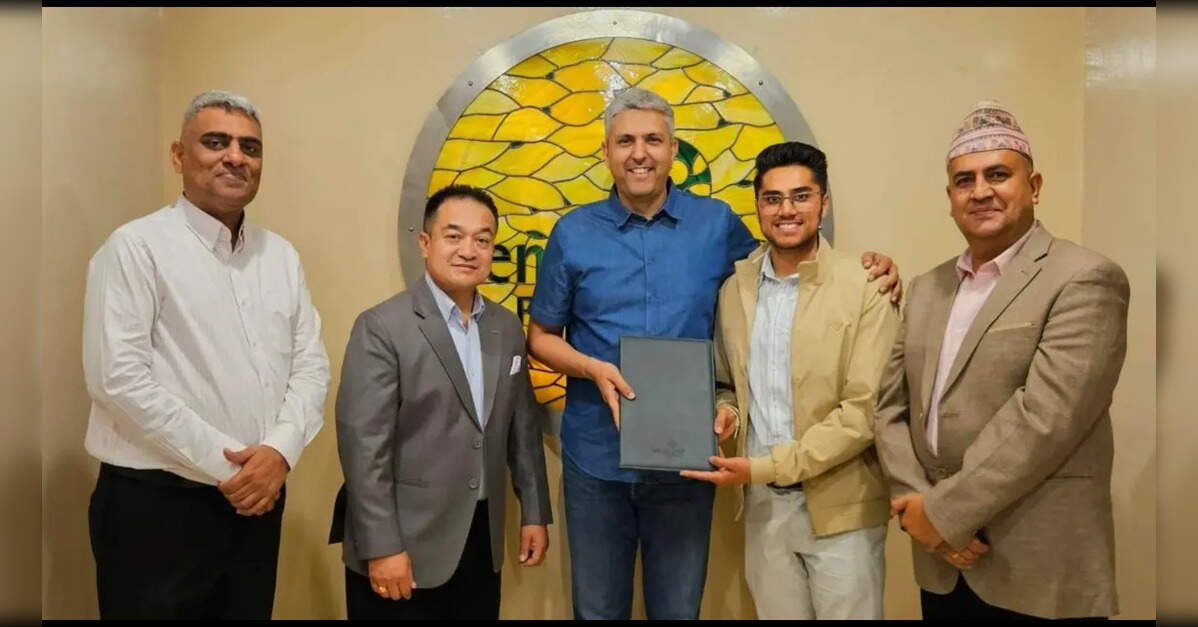

















Travel Capitalist Ventures Expands Check Size to $10 Million to Deepen Emerging Market Conviction
Boutique Travel VC raises investment cap from $1.5M to $10M to lead rounds and support portfolio companies through growth Travel...
Read moreDetails
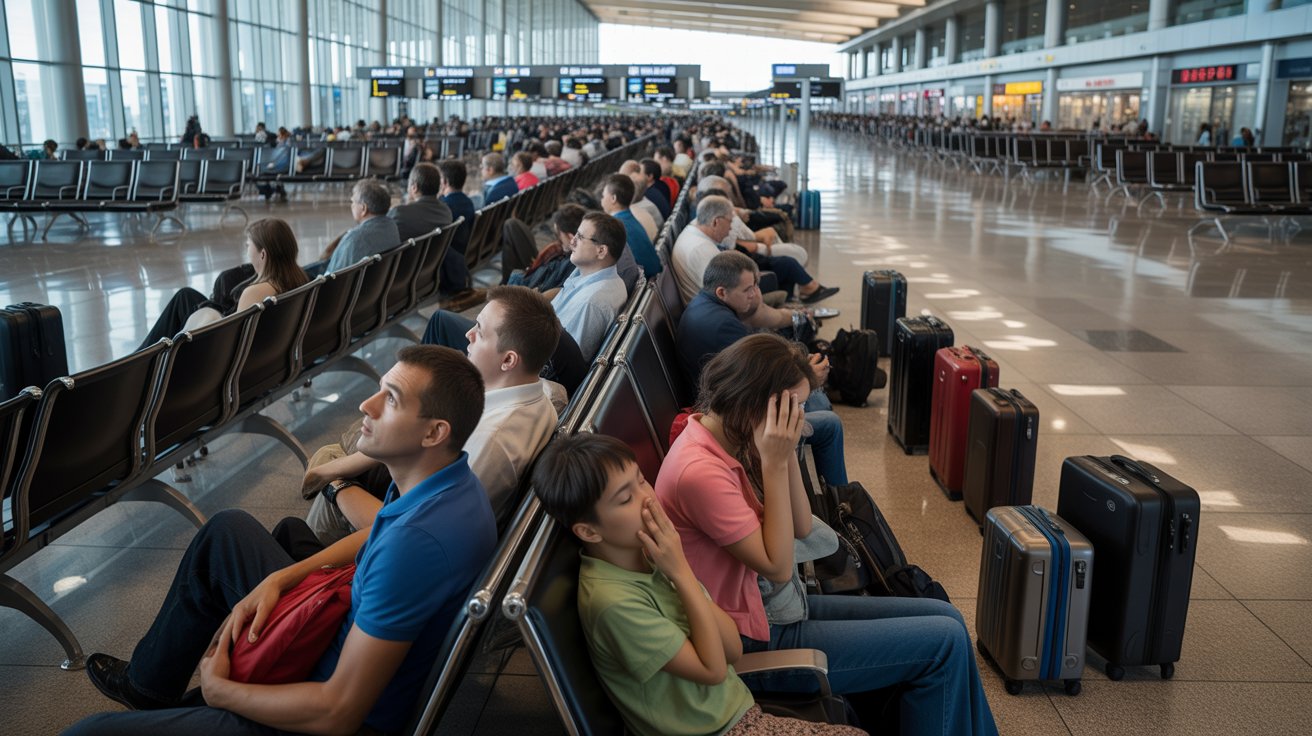
South Korea Faces Travel Disruptions as Korean Air, Delta, Aeromexico, and More Airlines Cancel Nine...
Article Summary:
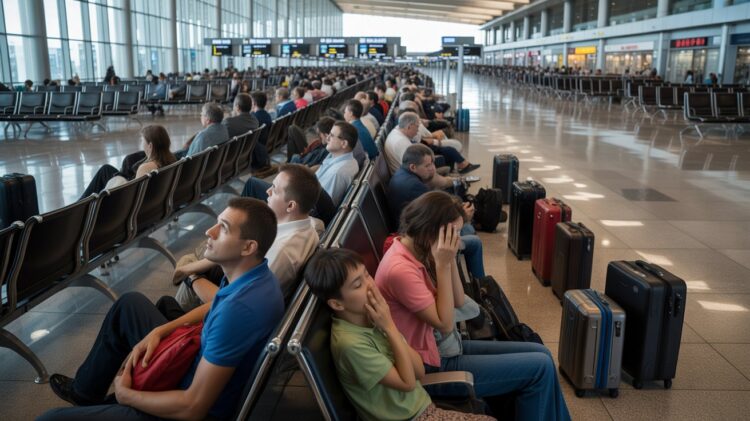
South Korea is currently experiencing travel disruptions as several airlines, including Korean Air, Delta, and Aeromexico, have canceled nine key flights. These cancellations affect routes to various destinations including Gwangju, New York, Seattle, and Mexico City. The disruptions are primarily impacting Jeju International Airport and Incheon International Airport, leading to significant inconvenience for travelers in the region.
Key Points:
Actionable Takeaways:
Contextual Insights:
The recent cancellations underscore the vulnerabilities in the travel industry, particularly in regions heavily reliant on international connectivity. This incident highlights the importance of robust contingency planning and the need for airlines to maintain flexible operations to mitigate the impact of unforeseen events. From a broader perspective, this situation reflects ongoing challenges in the travel sector, including the need for improved communication strategies and enhanced customer support during disruptions. The article also points to the broader trend of increased travel disruptions due to various factors such as weather conditions, geopolitical tensions, and operational challenges, which are critical considerations for both travelers and industry stakeholders.
Handling Different Article Types:
The article in question is a news blurb, providing factual information about recent airline cancellations and their impact on travel in South Korea. The structured output format ensures that the summary, key points, and actionable takeaways are presented in a clear and concise manner, suitable for a professional audience. The contextual insights integrate the latest travel trends and expert opinions, offering forward-looking perspectives on the implications of such disruptions for the travel industry.
Read the Complete Article.
Boutique Travel VC raises investment cap from $1.5M to $10M to lead rounds and support portfolio companies through growth Travel...
Read moreDetails



I'm sorry, but it appears there is no article content provided for me to analyze. The input you've given is...
Read moreDetails
