


















Travel Capitalist Ventures Expands Check Size to $10 Million to Deepen Emerging Market Conviction
Boutique Travel VC raises investment cap from $1.5M to $10M to lead rounds and support portfolio companies through growth Travel...
Read moreDetails
Article Summary:
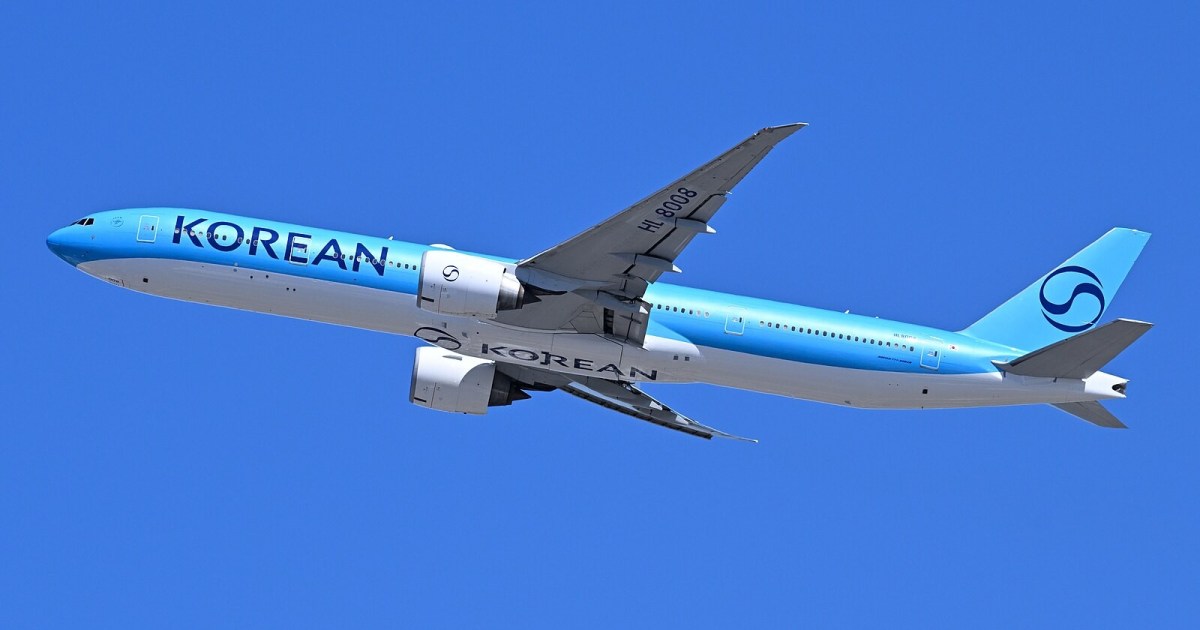
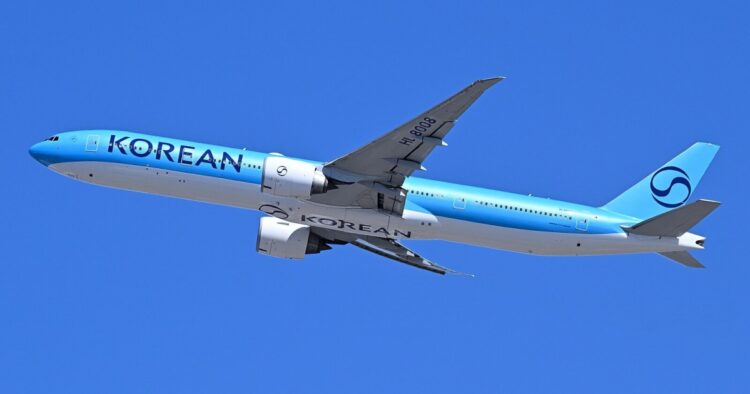
Korean Air is set to introduce plant-based meal containers in December, replacing the ones used for the past two decades. These containers, made from non-wood pulp sources such as sugarcane, straw, and bamboo, are part of the airline’s strategy to meet its global carbon reduction goals. The initiative aims to be implemented across the airline’s network by the end of 2026.
Key Points:
Actionable Takeaways:
Contextual Insights:
The introduction of plant-based meal containers by Korean Air reflects a growing trend in the travel industry towards sustainability and environmental responsibility. As global awareness of climate change increases, airlines are under increasing pressure to reduce their carbon emissions. This initiative aligns with broader industry trends, such as the adoption of electric aircraft and the development of sustainable aviation fuels. Furthermore, it underscores the role of technology in driving innovation within the sector. Thought leaders in the travel industry are increasingly focusing on how startups and tech solutions can contribute to more sustainable travel practices, and Korean Air’s move is a tangible example of this shift. The airline’s commitment to reducing its environmental impact not only positions it as a leader in sustainability but also sets a benchmark for other travel companies to follow.
Read the Complete Article.
Boutique Travel VC raises investment cap from $1.5M to $10M to lead rounds and support portfolio companies through growth Travel...
Read moreDetails




