




![Songjeong Beach is crowded with surfers. [Yonhap News]](https://images.traveltrade.today/wp-content/uploads/2026/04/Busan-Develops-Wellness-Tourism-Products.png)


















Travel Capitalist Ventures Expands Check Size to $10 Million to Deepen Emerging Market Conviction
Boutique Travel VC raises investment cap from $1.5M to $10M to lead rounds and support portfolio companies through growth Travel...
Read moreDetails
Despite Thai-Cambodian Border Clashes, Thai Airways and Korean Air Keep Flying — Here’s Why Your Tha...
Article Summary:
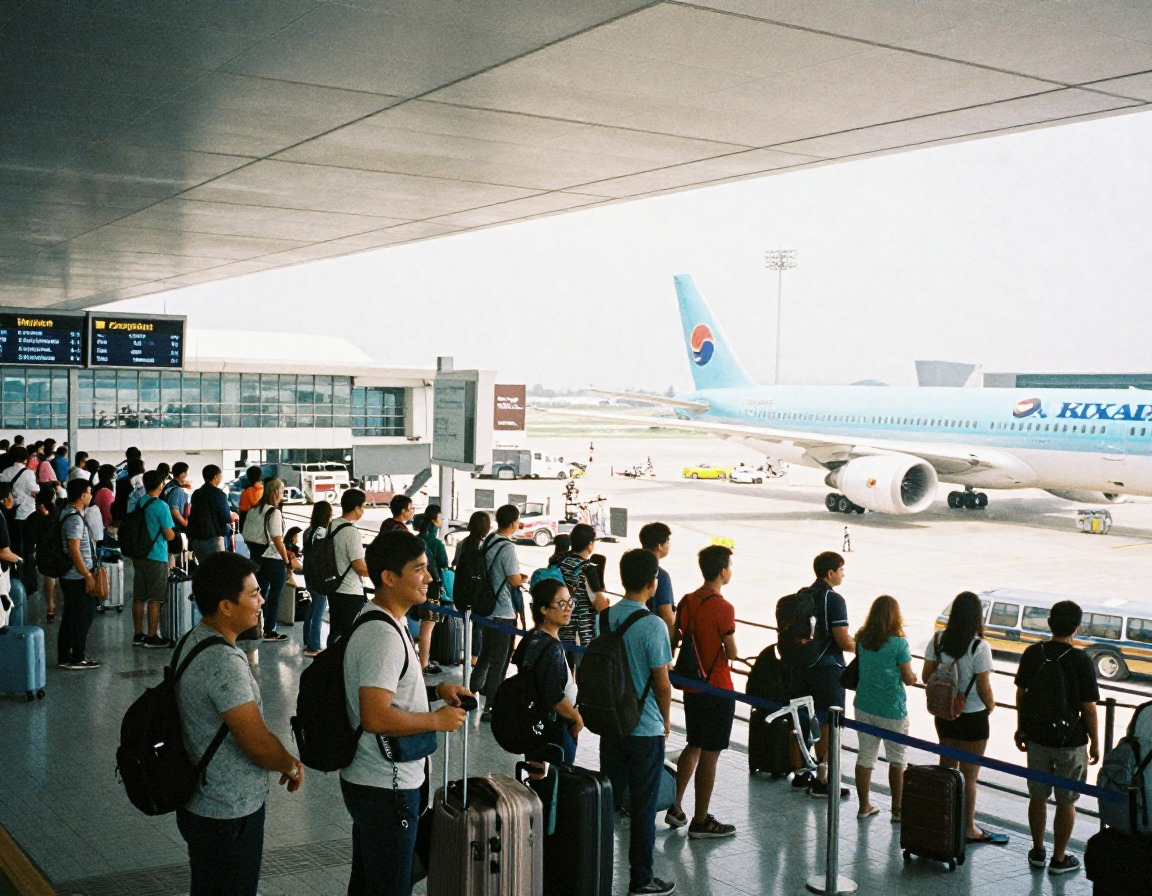
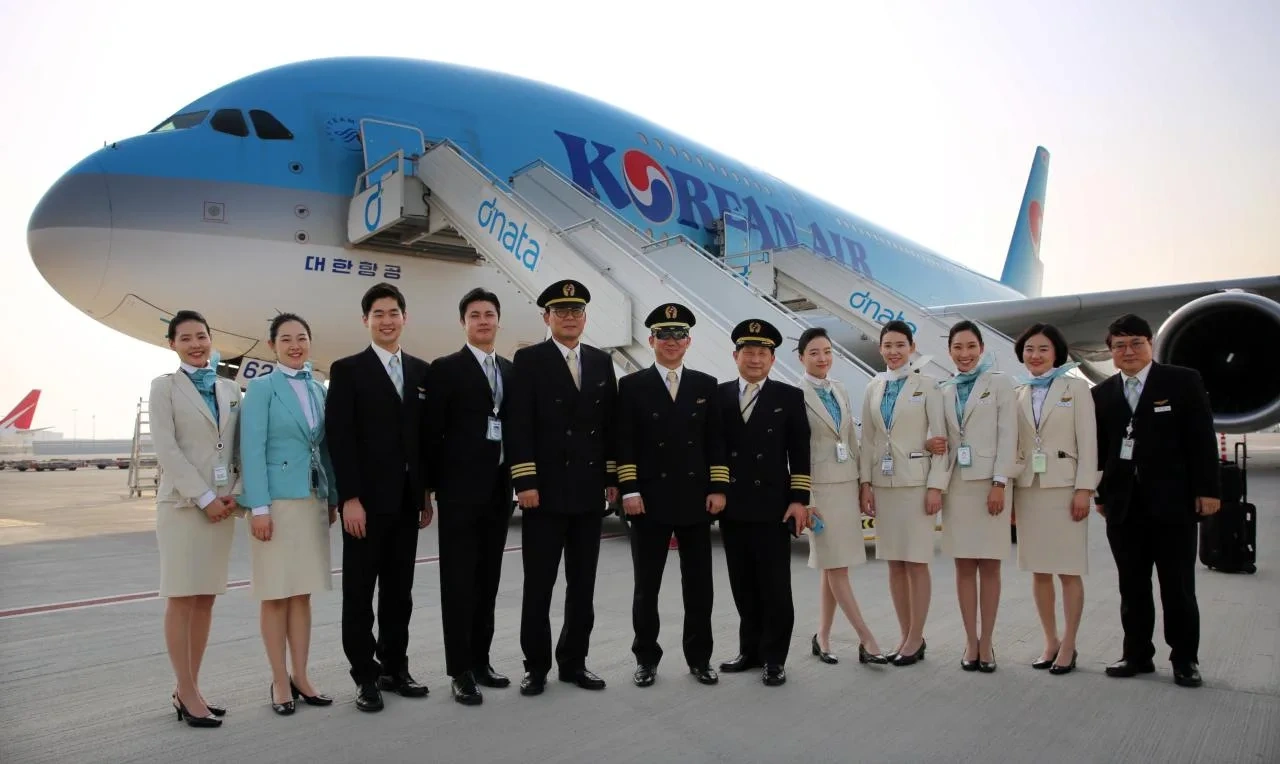
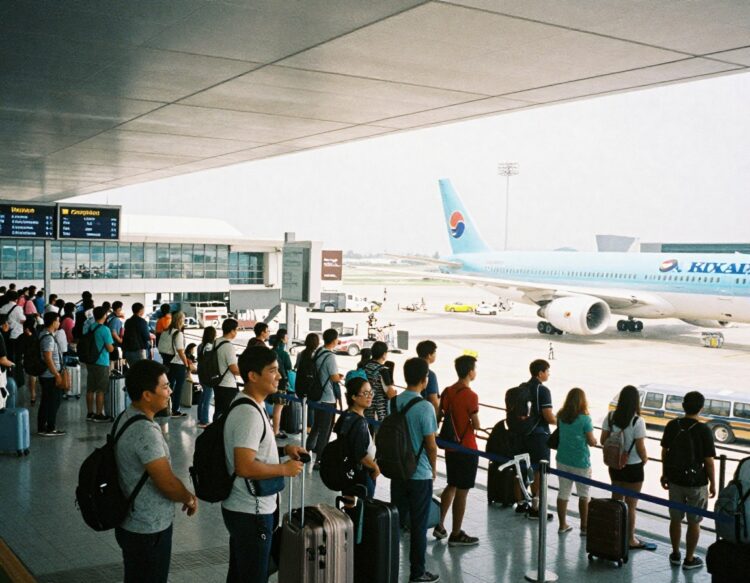
The article discusses the ongoing Thai-Cambodian border clashes and how they have not impacted the operations of Thai Airways and Korean Air. Despite the tensions, these airlines continue to operate flights, ensuring that travel to Thailand remains safe for tourists. The article reassures readers that popular tourist destinations are far from the conflict zones, maintaining the safety and accessibility of Thailand as a travel destination.
Key Points:
Actionable Takeaways:
Travel Safety Assurance: Travelers can confidently plan their trips to Thailand, as the airlines continue to operate safely, and tourist destinations remain unaffected by the border clashes. This reassures the travel industry that the situation does not pose a significant risk to tourism.
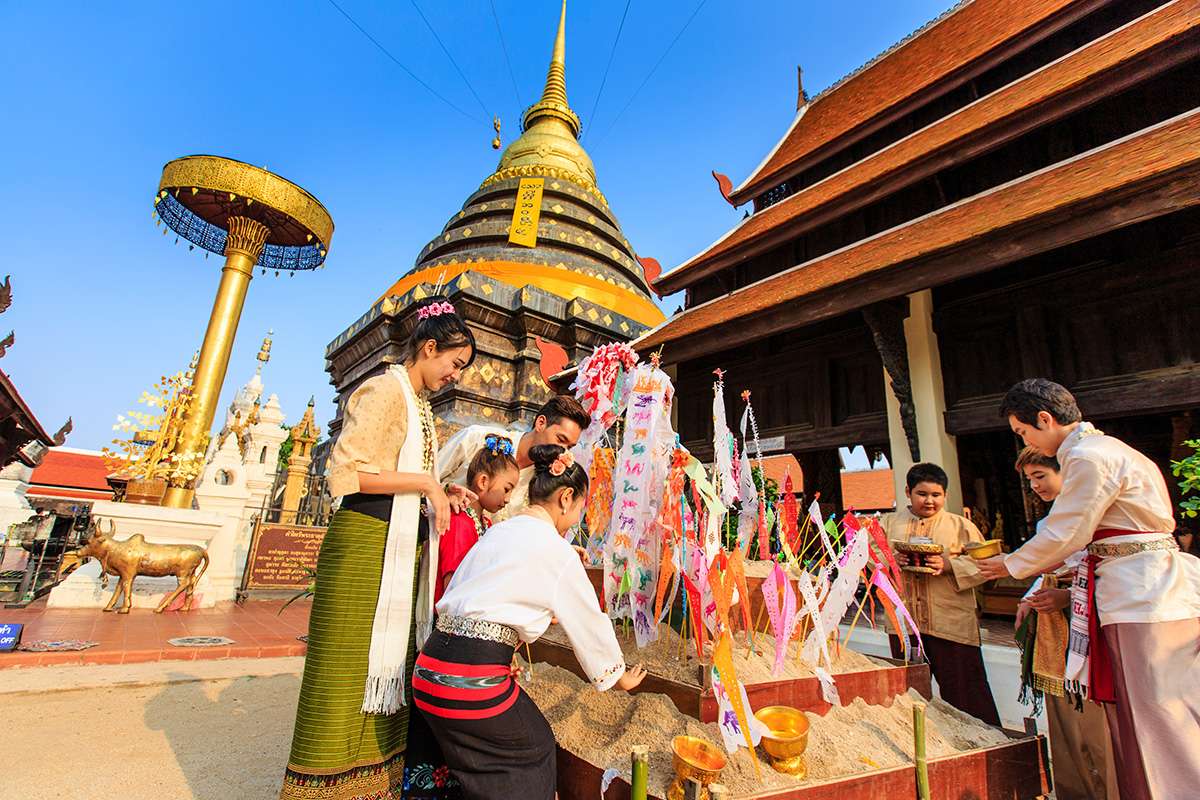
Focus on Main Tourist Areas: The article highlights that the conflict zones are not near the primary tourist spots in Thailand. This insight suggests that travel agencies and tourism boards should continue to promote these areas, leveraging the ongoing safety of air travel to Thailand.
Monitor Geopolitical Developments: While the current situation appears stable for tourism, it is advisable for the travel industry to keep a close eye on geopolitical developments in the region. Any escalation in tensions could impact travel safety, necessitating a flexible approach to travel planning and destination promotion.
Contextual Insights:
The ongoing Thai-Cambodian border clashes, while significant from a geopolitical perspective, have not disrupted the travel operations of major airlines operating in Thailand. This situation underscores the resilience of the travel industry in the face of geopolitical challenges. It also highlights the importance of maintaining a focus on safe and accessible tourist destinations, even in regions affected by international disputes.
From a broader industry perspective, this article reflects the adaptability of the travel sector to external pressures. It demonstrates that while geopolitical tensions can pose risks, they do not necessarily equate to travel disruptions, especially when critical infrastructure like air travel remains operational. This resilience is a testament to the robustness of modern travel logistics and the commitment of airlines to maintain service continuity.
Moreover, the article aligns with current travel trends emphasizing safety and reliability. As thought leaders in the travel industry continue to stress the importance of safety in travel decisions, this article serves as a practical example of how airlines can mitigate risks associated with geopolitical tensions. It also reinforces the need for continuous monitoring of regional developments to ensure that travel advisories and recommendations remain accurate and relevant.
In conclusion, the article provides a clear and reassuring message to the travel industry and its readers: despite ongoing border tensions, Thailand remains a safe and viable travel destination. This insight is crucial for maintaining consumer confidence and ensuring the continued growth of tourism in the region.
Read the Complete Article.
Boutique Travel VC raises investment cap from $1.5M to $10M to lead rounds and support portfolio companies through growth Travel...
Read moreDetails



Comprehensive Summarization: The article discusses Khyber Pakhtunkhwa (KP) Chief Minister Mohammad Sohail Afridi's directive to assess the feasibility of establishing...
Read moreDetails
