




![Songjeong Beach is crowded with surfers. [Yonhap News]](https://images.traveltrade.today/wp-content/uploads/2026/04/Busan-Develops-Wellness-Tourism-Products.png)



















Travel Capitalist Ventures Expands Check Size to $10 Million to Deepen Emerging Market Conviction
Boutique Travel VC raises investment cap from $1.5M to $10M to lead rounds and support portfolio companies through growth Travel...
Read moreDetails
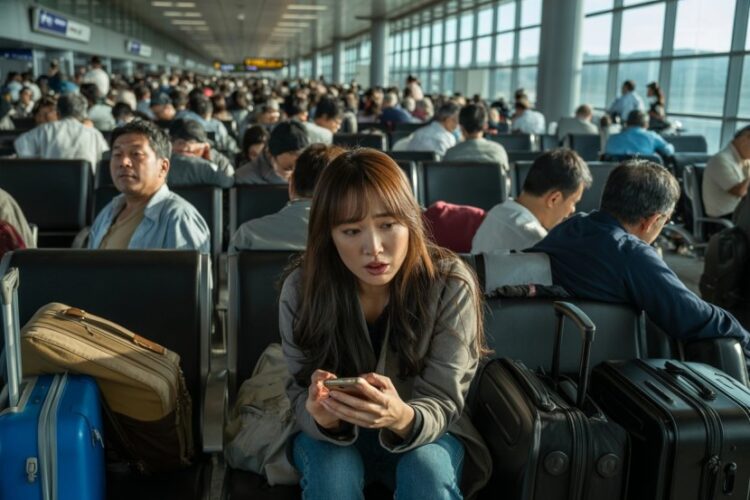
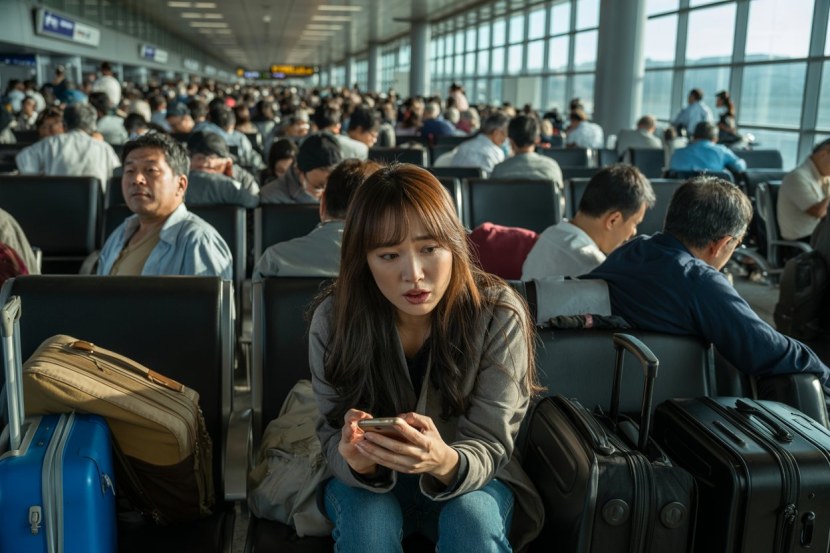
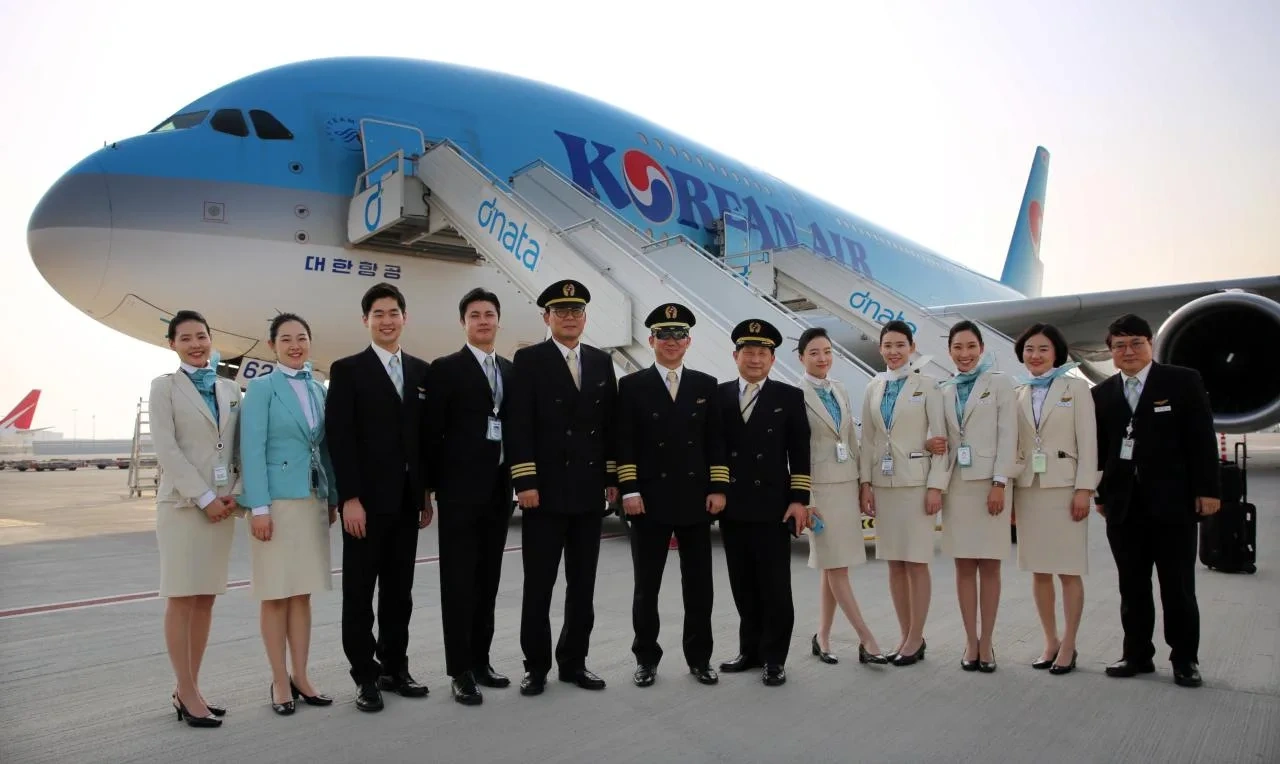
Thousands Of Passengers Grounded In Asia As Singapore, Korean, Air China, ANA, Japan, And Other Airl...
Article Summary:
On December 14, 2025, thousands of travelers across Asia faced significant disruptions as numerous airlines, including Singapore Airlines, Korean Air, Air China, ANA, Japan Airlines, and others, canceled 225 flights and delayed 2,794 flights. The cancellations and delays affected major hubs such as Tokyo, Beijing, Incheon, Jakarta, and Changi. This widespread disruption highlights ongoing challenges in the travel industry, particularly in managing large-scale operational issues across multiple regions.
Key Points:
Actionable Takeaways:
Contextual Insights:
The disruptions reported in the article reflect broader challenges faced by the global travel industry, particularly in managing operational complexities across diverse regions. The recent surge in flight cancellations and delays highlights the need for continuous innovation in travel technology and operational management. Thought leaders in the travel sector emphasize the importance of leveraging data analytics and AI to enhance predictive capabilities, enabling airlines to proactively address potential disruptions. Furthermore, the article aligns with current trends towards digital transformation in the travel industry, where technology plays a crucial role in ensuring passenger safety and satisfaction amidst unforeseen challenges. As the industry evolves, stakeholders must remain agile and adaptable to navigate future disruptions effectively.
Read the Complete Article.
Boutique Travel VC raises investment cap from $1.5M to $10M to lead rounds and support portfolio companies through growth Travel...
Read moreDetails



Comprehensive Summarization: The article discusses Khyber Pakhtunkhwa (KP) Chief Minister Mohammad Sohail Afridi's directive to assess the feasibility of establishing...
Read moreDetails
