




















Travel Capitalist Ventures Expands Check Size to $10 Million to Deepen Emerging Market Conviction
Boutique Travel VC raises investment cap from $1.5M to $10M to lead rounds and support portfolio companies through growth Travel...
Read moreDetails

Article Summary:
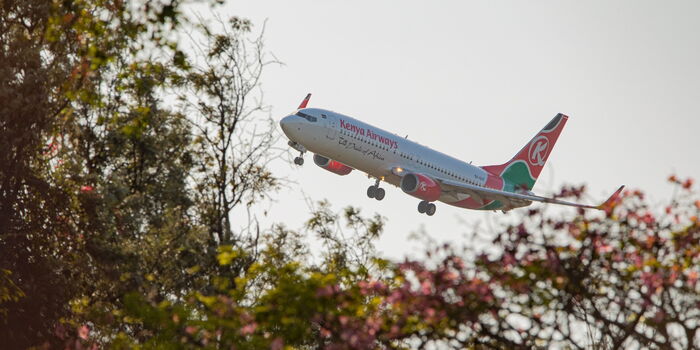
The transportation ministry of South Korea has announced the selection of replacement airlines for key international routes affected by the merger of Korean Air Co. and Asiana Airlines Inc. T’way Air Co. will replace Korean Air for the Incheon-Jakarta route, Air Premia Inc. for the Incheon-Honolulu route, and Alaska Airlines Inc. for the route previously served by Asiana Airlines. This decision is part of remedies ordered by antitrust regulators.
Key Points:
Actionable Takeaways:
Contextual Insights:
The article reflects the ongoing challenges and adaptations within the airline industry, particularly in response to mergers and regulatory scrutiny. The selection of replacement airlines for affected routes is a direct outcome of antitrust measures aimed at maintaining fair competition and consumer choice. This scenario is indicative of broader trends in the travel industry, where regulatory interventions play a crucial role in shaping market dynamics.
In the context of current industry trends, the focus on regulatory compliance and market adjustment is particularly relevant. As the industry continues to evolve, with increasing emphasis on sustainability, digital transformation, and customer experience, airlines must remain agile and responsive to regulatory changes. The insights from this article suggest that strategic planning and adaptability will be key for airlines navigating the post-merger landscape.
Handling Different Article Types:
The article provided is a news blurb, offering factual information about a regulatory decision in the airline industry. The structured output format above is tailored to present such factual summaries clearly and concisely, ensuring that the information is easily digestible for a professional audience.
Read the Complete Article.
Boutique Travel VC raises investment cap from $1.5M to $10M to lead rounds and support portfolio companies through growth Travel...
Read moreDetails


Comprehensive Summarization: The article discusses how Alaska Airlines has joined a growing list of major airlines, including American, Delta, United,...
Read moreDetails
