






No products in the cart.
- Latest
- Trending


2025 In-flight Wi-Fi Speed Rankings: Starlink, Hawaiian Airlines, Qatar Airways, Delta Airlines, Tur...
In-Flight Wi-Fi: The Race for Speed and Connectivity Heats Up
The future of air travel is inextricably linked to seamless connectivity. As passengers increasingly expect reliable internet access at 35,000 feet, airlines are locked in a fierce competition to offer the fastest and most robust in-flight Wi-Fi. A recent report from Speedtest by Ookla highlights the accelerating pace of innovation in this sector, revealing which airlines are leading the charge and what we can expect in the coming years.
The demand for in-flight Wi-Fi is no longer a luxury; it’s a necessity for business travelers needing to stay productive and leisure travelers eager to share their experiences or stream entertainment. This growing expectation is driving significant investment and technological advancements from airlines and their connectivity providers. The key differentiator is speed, and airlines are prioritizing solutions that can deliver consistent, high-bandwidth internet across their fleets.
Several airlines are making notable strides. JetBlue Airways consistently ranks among the leaders, often lauded for its early adoption and consistent performance of its Fly-Fi service. Other carriers are rapidly upgrading their systems, investing in newer satellite technologies and modem upgrades to improve both download and upload speeds. This not only enhances the passenger experience but also allows for more sophisticated onboard services, from real-time flight updates to enhanced entertainment options.
The technology powering this evolution primarily revolves around advancements in satellite communication. Ka-band and Ku-band satellite networks are becoming more sophisticated, offering higher data transmission rates and greater coverage. Airlines are also exploring terrestrial-based Wi-Fi solutions for flights operating over land, which can often provide even faster speeds.
Looking ahead to 2025, the landscape promises even greater speeds and reliability. Industry experts anticipate that the average download speeds will continue to climb, making buffering and slow connections a relic of the past. This will enable a richer in-flight experience, potentially including video conferencing, cloud-based applications, and the ability to stream high-definition content without interruption. The focus will remain on delivering a user experience that mirrors what passengers are accustomed to on the ground. Airlines that fail to keep pace risk falling behind in customer satisfaction and competitive advantage. The battle for the fastest in-flight Wi-Fi is not just about technology; it’s about meeting the evolving expectations of the modern traveler.
Key Points
Read the Complete Article.
Get curated travel AI insights — choose the newsletters that matter to you.
This spot is reserved for brands with a compelling story for the travel trade. They use this space to cut...
Read moreDetailsALTOUR Expands into Thailand, Strengthening Corporate Travel Network Across Southeast Asia BANGKOK, THAILAND (25 March, 2026) – ALTOUR, a leading...
Read moreDetails


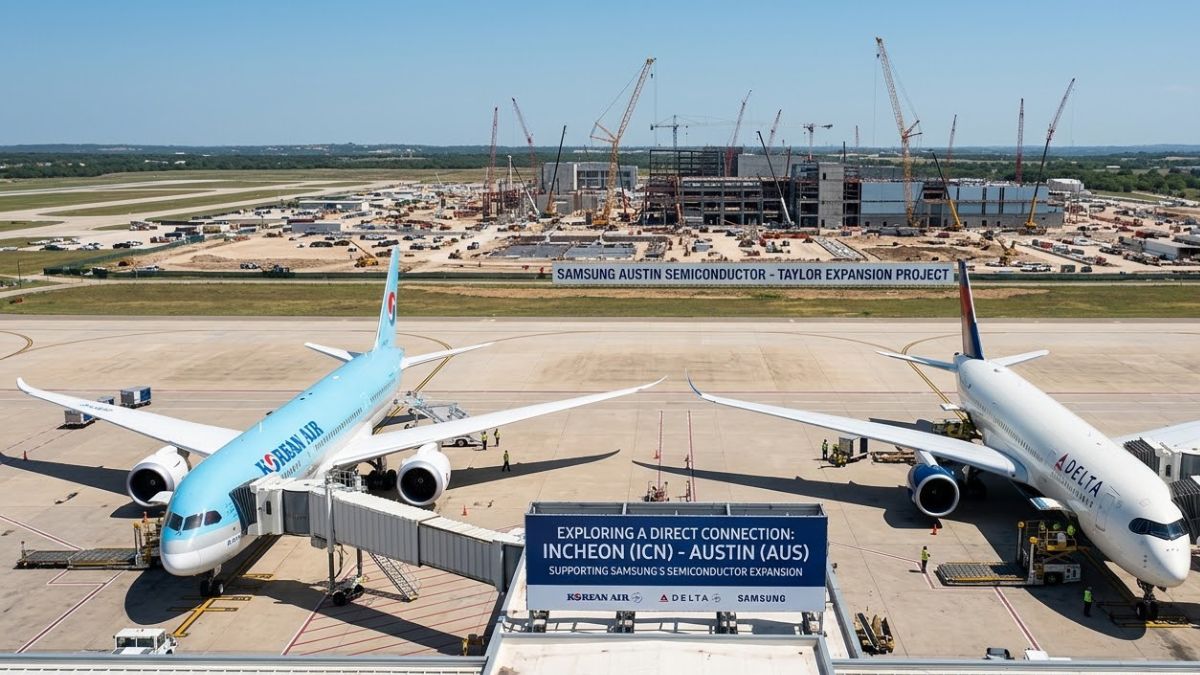
Comprehensive Summarization: The article discusses negotiations between Korean Air and Delta Air Lines for a direct flight service between Seoul's...
Read moreDetails