







No products in the cart.
- Latest
- Trending


Comprehensive Summarization:
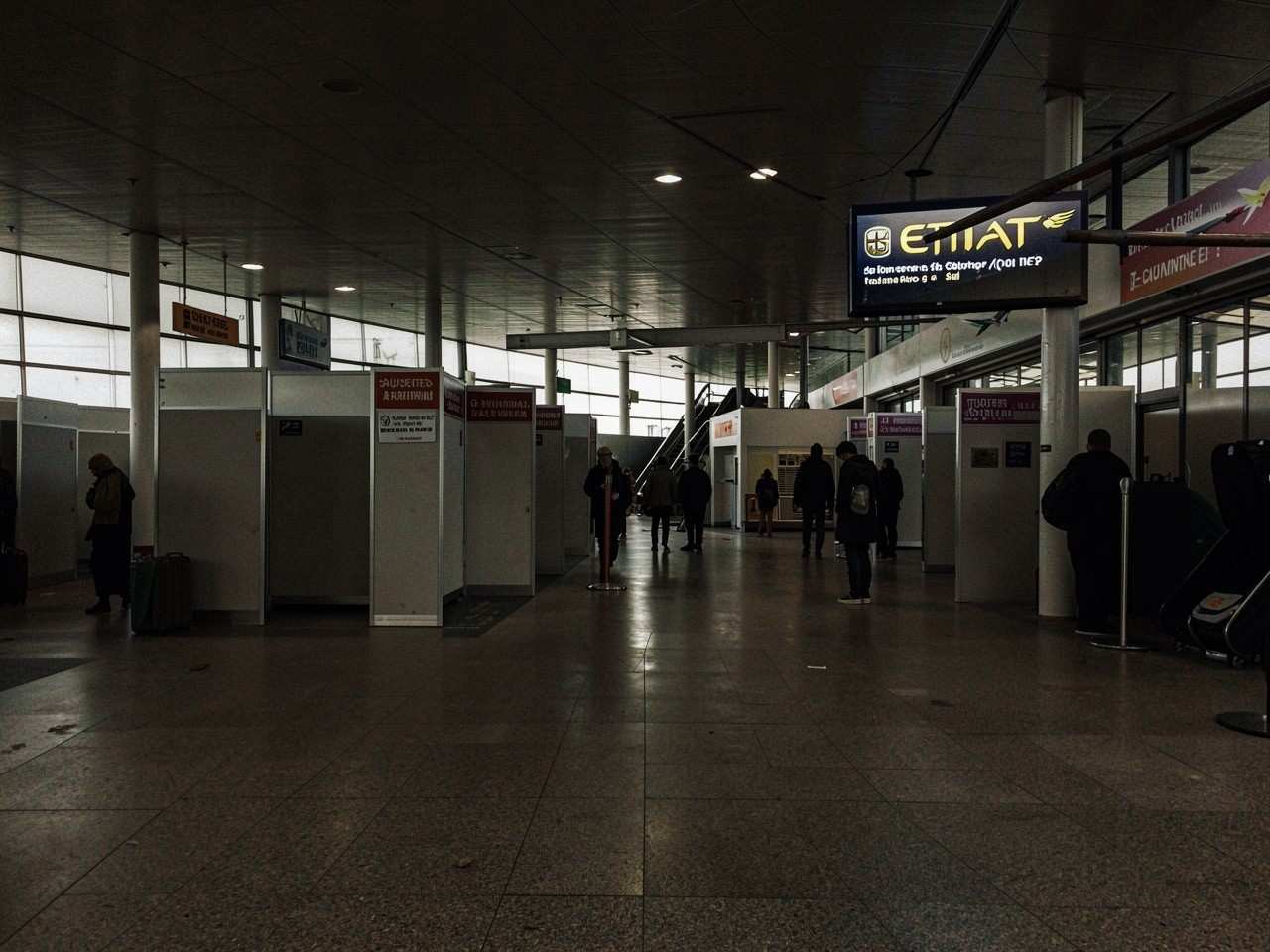
The article discusses the significant impact of the escalating conflict in the Middle East on the travel industry, particularly focusing on how Gulf carriers Etihad Airways and Qatar Airways are adapting their loyalty benefits and waiver policies to mitigate the effects on business travelers. The conflict has led to airspace closures, disrupted routes, and increased fuel costs, prompting these airlines to reassess their strategies to support their clientele amidst the turmoil. The summary highlights the strategic adjustments made by these carriers in response to the shifting geopolitical landscape, emphasizing the importance of loyalty programs and flexible policies for business travelers in maintaining operational continuity and customer satisfaction.
Key Points:
Actionable Takeaways:
Flexible Loyalty Programs: Airlines should consider enhancing their loyalty programs with more flexible redemption options and waived fees to retain business travelers who may face cancellations or route changes due to the conflict. This approach can help maintain customer satisfaction and loyalty, which is crucial during periods of uncertainty.
Transparent Communication: Airlines should communicate clearly with their customers about policy changes and any potential impacts on travel plans. Transparency can help manage customer expectations and reduce frustration during times of disruption.
Invest in Technology: To better manage and adapt to the changing travel landscape, airlines should invest in technology solutions that enable real-time updates and flexible booking options. This can include dynamic pricing models and automated policy adjustments based on real-time data.
Contextual Insights:
The article reflects the current state of the travel industry under the pressures of geopolitical tensions, a scenario that is becoming increasingly common in the globalized world. The strategic adjustments made by Etihad Airways and Qatar Airways are indicative of a broader trend where airlines are leveraging their loyalty programs and policy flexibility as a competitive advantage. This shift highlights the importance of customer-centric strategies in maintaining market share and operational resilience in the face of external shocks. Furthermore, the focus on technology and real-time communication aligns with the growing trend of digital transformation in the travel sector, where innovation and adaptability are key to survival and growth. As geopolitical tensions continue to shape the travel landscape, airlines that proactively adapt their strategies will be better positioned to navigate future uncertainties and maintain strong relationships with their business clientele.
Read the Complete Article.
Get curated travel AI insights — choose the newsletters that matter to you.
This spot is reserved for brands with a compelling story for the travel trade. They use this space to cut...
Read moreDetailsALTOUR Expands into Thailand, Strengthening Corporate Travel Network Across Southeast Asia BANGKOK, THAILAND (25 March, 2026) – ALTOUR, a leading...
Read moreDetails

Comprehensive Summarization: Korean Air is advancing the development of its next-generation high-speed unmanned target drones, integrating advanced artificial intelligence (AI)...
Read moreDetails