








No products in the cart.
- Latest
- Trending

Emirates, Etihad, Qatar Airways, Singapore Airlines, British Airways, Cathay Pacific and Turkish Air...
Comprehensive Summarization:
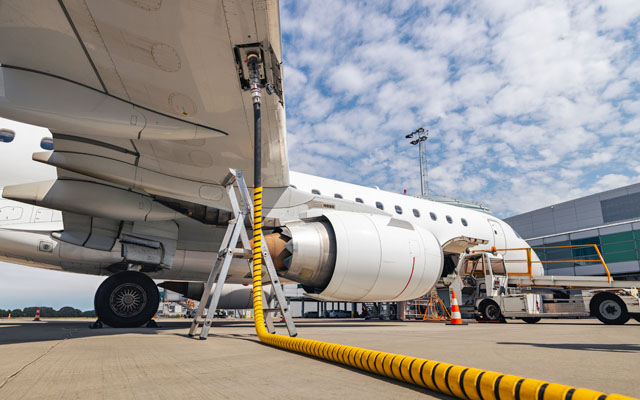
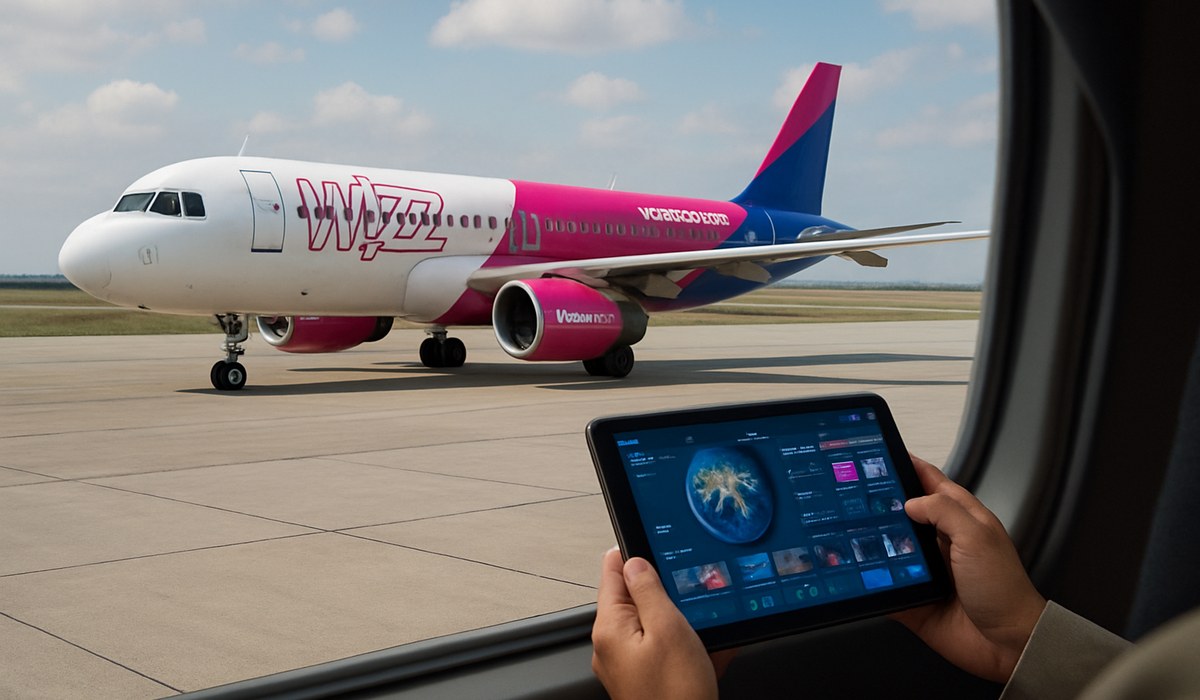
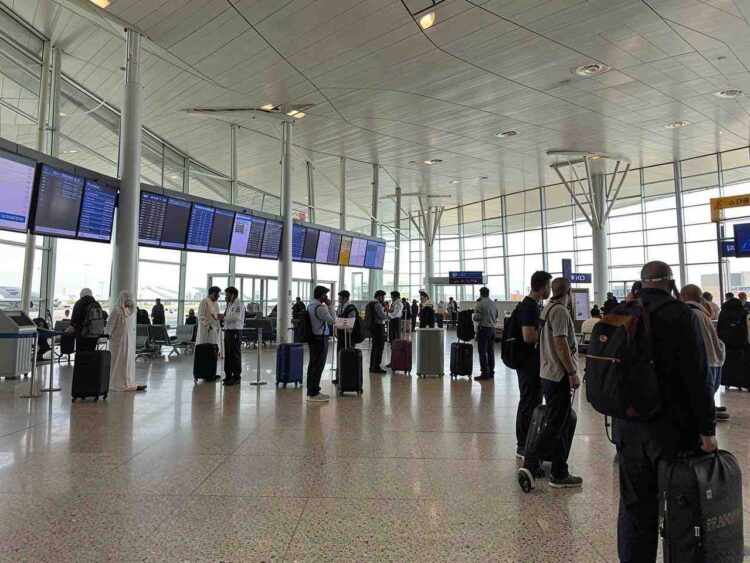
The article reports on the significant revenue decline experienced by major Middle Eastern airlines, including Emirates, Etihad, Qatar Airways, Singapore Airlines, British Airways, Cathay Pacific, and Turkish Airlines. This downturn is attributed to the escalation of conflict in the Middle East, which has led to airspace closures and widespread flight cancellations. These operational disruptions have severely impacted the aviation and tourism sectors in the UAE, Saudi Arabia, and Qatar. The image accompanying the article illustrates the profound effect of these events on the aviation industry, highlighting the challenges faced by global carriers in maintaining operations amidst the crisis.
Key Points:
Actionable Takeaways:
Contextual Insights:
The article reflects the current state of the travel industry amidst geopolitical tensions, emphasizing the vulnerability of global carriers to external shocks. The decline in revenues and operational disruptions highlight the sector’s reliance on stable travel demand and secure airspace. Looking forward, the integration of advanced technologies and strategic partnerships will be crucial for the industry’s recovery and resilience. Experts predict that the post-conflict period will see a renewed focus on digital transformation and sustainable travel practices, as the industry seeks to rebuild and adapt to a rapidly changing global landscape.
Read the Complete Article.
Get curated travel AI insights — choose the newsletters that matter to you.
This spot is reserved for brands with a compelling story for the travel trade. They use this space to cut...
Read moreDetailsALTOUR Expands into Thailand, Strengthening Corporate Travel Network Across Southeast Asia BANGKOK, THAILAND (25 March, 2026) – ALTOUR, a leading...
Read moreDetails


Comprehensive Summarization: Manchester Airport has implemented a biometric operational model in collaboration with travel technology supplier Amadeus. This model facilitates...
Read moreDetails