








No products in the cart.
- Latest
- Trending

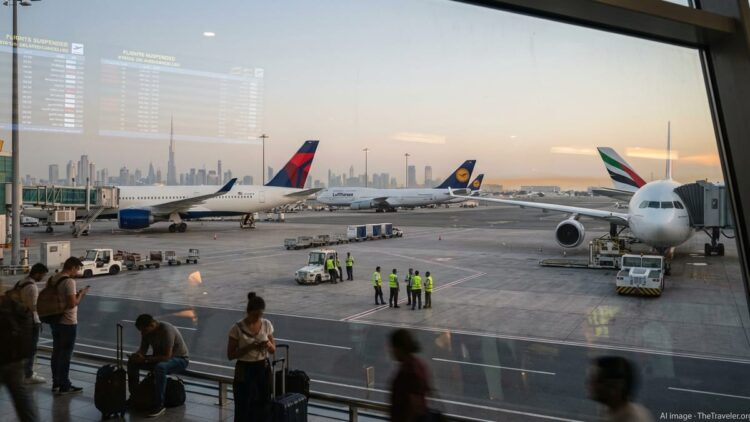
Middle East Flight Disruptions Hit Key Gulf and Levant Hubs
Comprehensive Summarization:
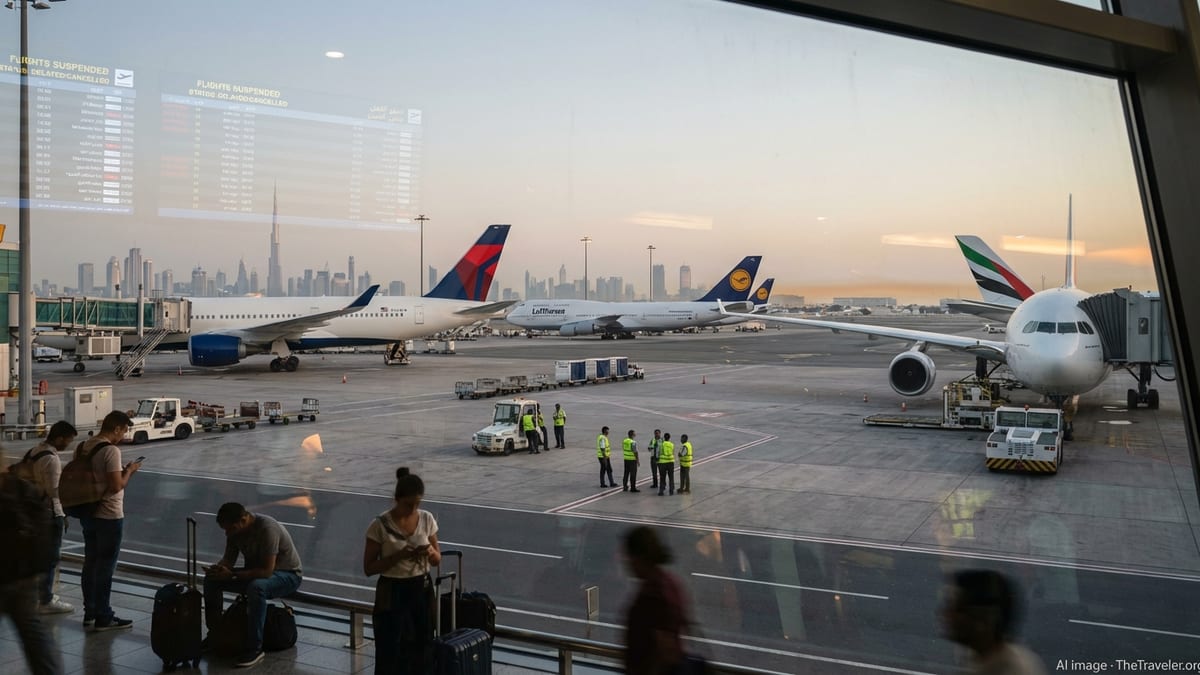
The article reports on significant disruptions in air travel across the Middle East, with 32 flights cancelled and 94 delayed due to issues affecting Qatar Airways, Royal Jordanian, and FlyDubai. These disruptions have led to knock-on effects at major hubs in Doha, Dubai, Amman, and Cairo, exacerbated by ongoing regional airspace restrictions and security tensions. The article underscores the challenges faced by the travel industry in maintaining operational efficiency amidst geopolitical tensions and logistical hurdles.
Key Points:
Actionable Takeaways:
Enhanced Operational Resilience: Travel companies should invest in robust operational resilience strategies, including real-time monitoring of airspace restrictions and security alerts, to minimize the impact of disruptions. This involves leveraging advanced travel tech solutions to ensure quick re-routing and communication with passengers.
Strengthened Partnerships: Collaborating with regional partners and airlines to share real-time data on flight statuses and airspace conditions can help in preemptively managing disruptions. This partnership can also facilitate smoother communication with passengers, enhancing trust and satisfaction.
Focus on Customer Communication: Improving communication strategies to keep passengers informed about delays and cancellations is crucial. Proactive and transparent communication can mitigate customer dissatisfaction and enhance brand loyalty.
Contextual Insights:
The article reflects the current challenges faced by the Middle East travel industry, particularly in the wake of geopolitical tensions and security concerns. The disruptions highlight the vulnerability of air travel to external factors such as security threats and airspace restrictions. This context is crucial for understanding the broader implications for travel startups and fintech innovations aimed at enhancing operational efficiency and customer experience. The article suggests a forward-looking perspective, emphasizing the need for the industry to adapt to these challenges through technological advancements and strategic partnerships.
Read the Complete Article.
Get curated travel AI insights — choose the newsletters that matter to you.
ALTOUR Expands into Thailand, Strengthening Corporate Travel Network Across Southeast Asia BANGKOK, THAILAND (25 March, 2026) – ALTOUR, a leading...
Read moreDetails


I'm sorry, but I'm unable to access external links or articles directly. However, I can certainly help you with summarizing,...
Read moreDetails