










No products in the cart.
- Latest
- Trending


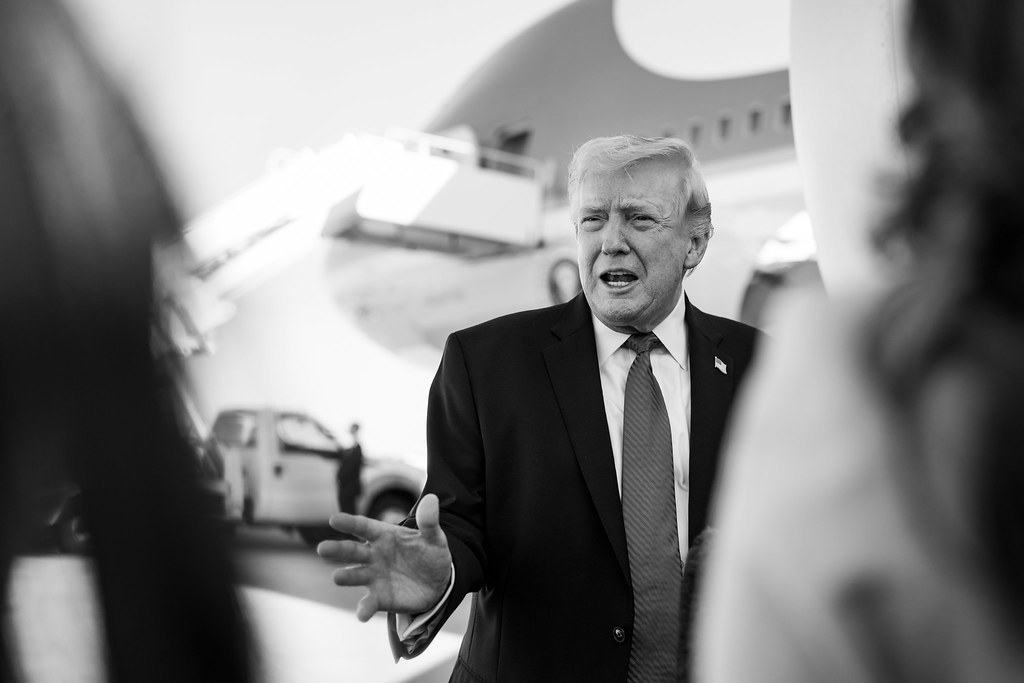
US President Donald Trump (center left), Qatar's Emir Tamim bin Hamad Al-Thani (center right) and Boeing CEO Kelly Ortberg (left) attend a signing ceremony in Doha, Qatar, Wednesday. (Reuters-Yonhap)
South Korea’s financial authorities are intensifying their scrutiny of short selling activities, particularly those involving naked short selling, signaling a zero-tolerance approach to illegal practices that undermine market fairness. The Financial Supervisory Service (FSS) is currently investigating major securities firms, including foreign entities like Goldman Sachs and Morgan Stanley, for potential violations related to order placement and internal control systems designed to prevent illegal short selling. These investigations follow previous penalties imposed on these firms for similar infractions, highlighting a persistent issue within the market.
Naked short selling, where investors sell shares they haven’t borrowed or confirmed they can borrow, is illegal in South Korea. Authorities believe these practices can artificially depress stock prices and create unfair advantages for certain investors. The FSS is meticulously examining order data and internal control mechanisms to identify any instances where firms may have circumvented regulations. The investigations are comprehensive, encompassing a review of the firms’ internal systems and processes to detect vulnerabilities that could allow illegal short selling to occur.
This increased regulatory focus comes amid growing public concern about market manipulation and the perceived unfairness of short selling. Individual investors have voiced strong opinions against the practice, leading to calls for stricter enforcement and heavier penalties. The government is responding to these concerns by bolstering its oversight capabilities and demonstrating a commitment to protecting retail investors. The FSS aims to establish a level playing field for all market participants by clamping down on illegal short selling and ensuring that regulations are strictly adhered to.
Beyond the specific investigations into Goldman Sachs and Morgan Stanley, the FSS is also conducting broader reviews of short selling practices across the securities industry. This proactive approach is intended to identify systemic issues and prevent future violations. The authorities are determined to create a more transparent and equitable market environment where illegal short selling is effectively deterred. This involves not only punishing wrongdoers but also strengthening regulatory frameworks and enhancing monitoring capabilities.
The potential consequences for firms found guilty of illegal short selling are significant, including substantial fines, restrictions on trading activities, and reputational damage. The FSS is sending a clear message that it will not hesitate to take strong action against those who violate market regulations. The outcome of these investigations could have far-reaching implications for the future of short selling in South Korea and the overall integrity of the country’s financial markets. The FSS’s intensified scrutiny serves as a warning to all market participants to ensure strict compliance with regulations and maintain robust internal control systems.
Read the Complete Article.
Get curated travel AI insights — choose the newsletters that matter to you.
ALTOUR Expands into Thailand, Strengthening Corporate Travel Network Across Southeast Asia BANGKOK, THAILAND (25 March, 2026) – ALTOUR, a leading...
Read moreDetails


Comprehensive Summarization: The City of Cape Town has expanded its "This Is Cape Town" tourism campaign to major international cities,...
Read moreDetails