








No products in the cart.
- Latest
- Trending


Qatar Airways Chaos Leaves Passengers Stranded Worldwide
Comprehensive Summarization:
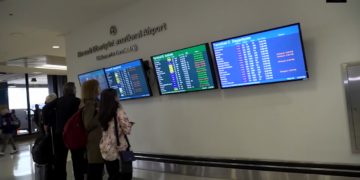
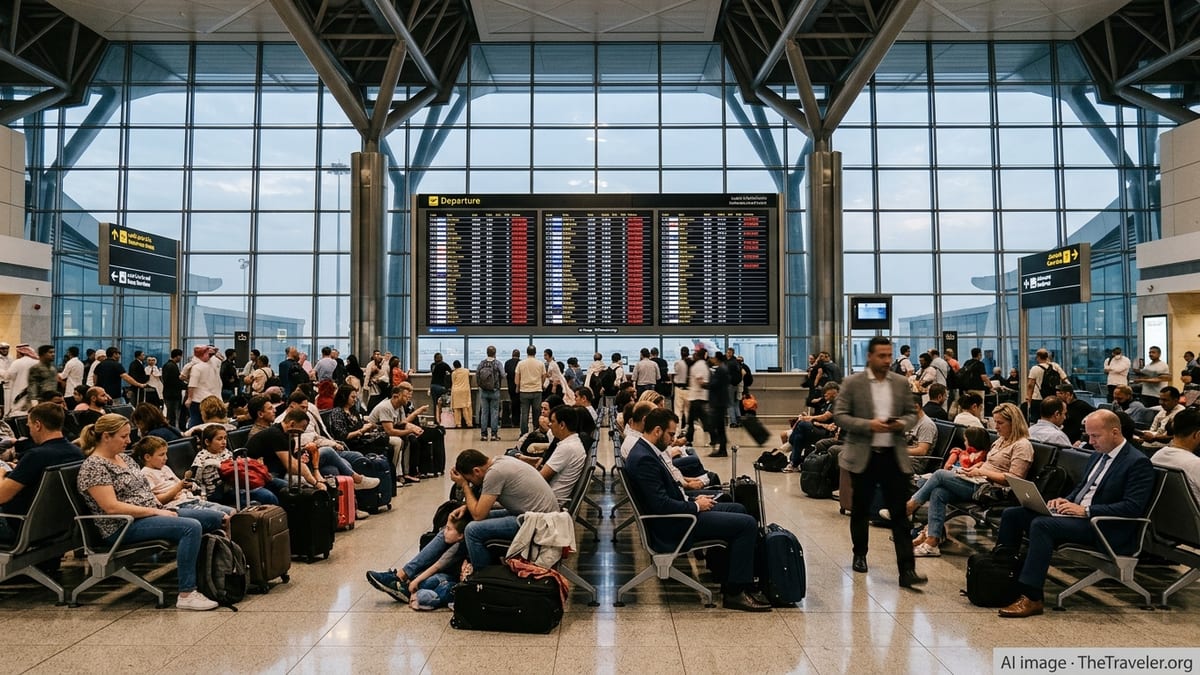
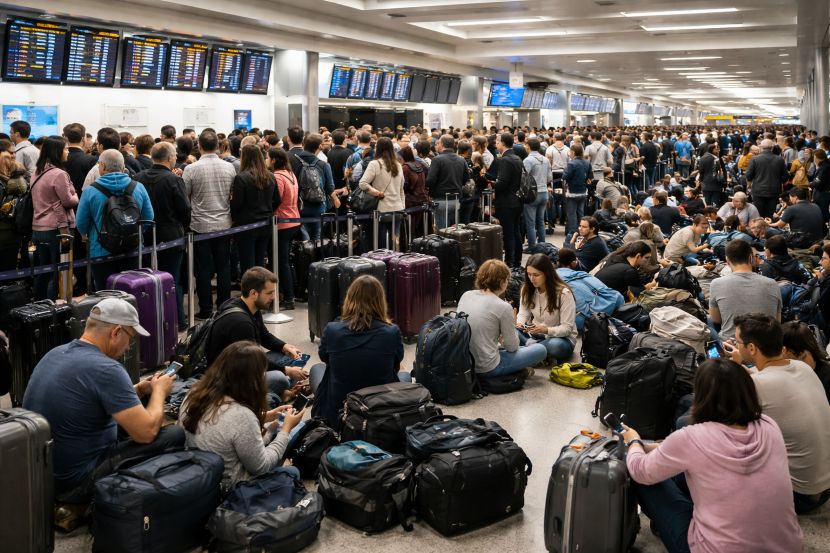
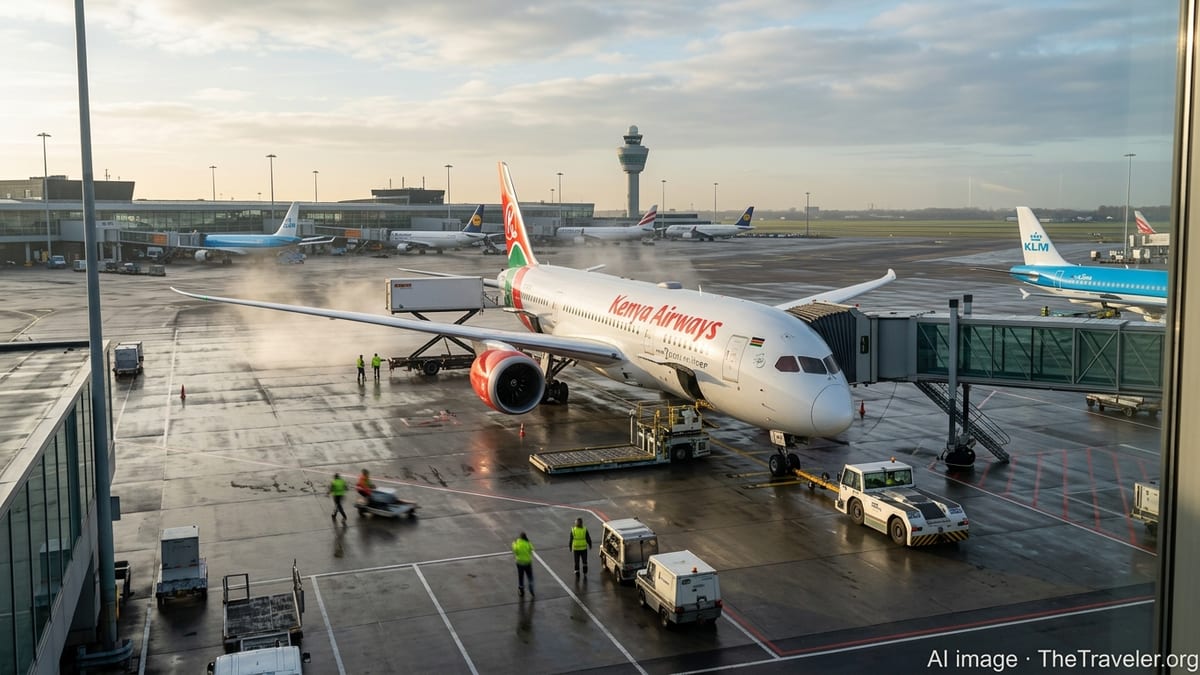
The article reports ongoing disruptions to Qatar Airways’ global network, causing widespread flight cancellations and last-minute schedule changes. These disruptions have led to stranded passengers in multiple cities, including Doha, Cairo, Melbourne, Birmingham, and Singapore. The situation is attributed to a combination of airspace closures and ongoing security concerns. The article highlights the ripple effect of these disruptions across continents, underscoring the significant impact on travelers and the airline’s operations.
Key Points:
Actionable Takeaways:
Contextual Insights:
The disruptions to Qatar Airways’ network are indicative of broader challenges faced by the global travel industry, particularly in regions with heightened security concerns. The article reflects current trends in travel tech, where airlines are increasingly leveraging technology to manage and mitigate disruptions. Forward-looking insights suggest that the integration of AI and machine learning in real-time flight tracking and passenger communication could further enhance operational resilience. Additionally, the emphasis on security measures aligns with the growing importance of safety in travel, a trend that is likely to continue shaping industry practices.
Read the Complete Article.
Get curated travel AI insights — choose the newsletters that matter to you.
This spot is reserved for brands with a compelling story for the travel trade. They use this space to cut...
Read moreDetailsALTOUR Expands into Thailand, Strengthening Corporate Travel Network Across Southeast Asia BANGKOK, THAILAND (25 March, 2026) – ALTOUR, a leading...
Read moreDetails


Comprehensive Summarization: Starboard Value has initiated an activist campaign targeting Tripadvisor's board, aiming to replace a majority of its directors....
Read moreDetails