









No products in the cart.
- Latest
- Trending

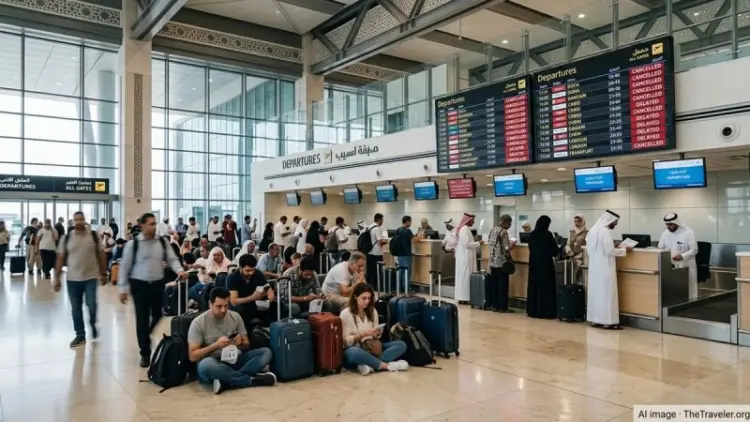
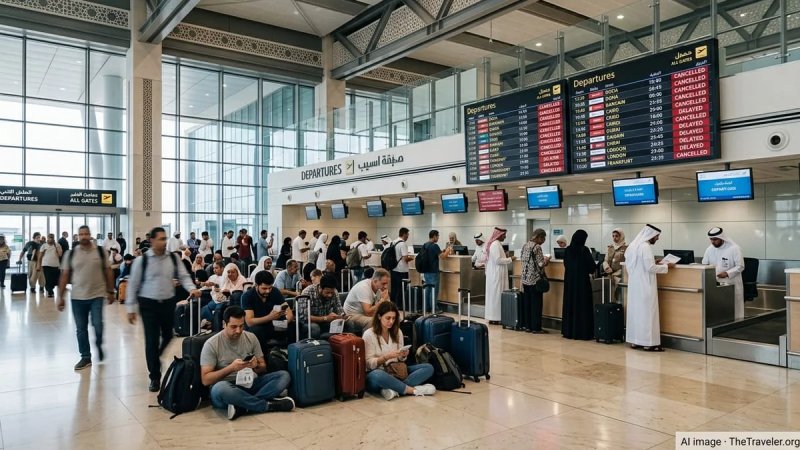
Qatar Airways cancellations stretch from Doha to Cairo and Europe
Comprehensive Summarization:
The article reports on significant travel disruptions at Muscat’s Seeb International Airport, caused by cancellations and delays affecting Gulf Air and Qatar Airways. These disruptions have impacted key routes linking Muscat with Bahrain, Doha, Cairo, Luxembourg, and other major cities. The situation is part of a broader context of instability in Middle East air corridors, as reported by News.Az and corroborated by CNN. The article underscores the challenges faced by travelers and the ripple effects of airline disruptions on international travel networks.
Key Points:
Actionable Takeaways:
Proactive Communication with Travelers: Airlines should enhance communication strategies to promptly inform passengers about cancellations and delays. This proactive approach can mitigate passenger frustration and improve overall travel experience, aligning with current industry trends towards customer-centric service.
Diversification of Routes and Partnerships: Airlines operating in the Middle East should explore diversifying their route networks and forming strategic partnerships with other carriers to mitigate the impact of disruptions. This strategy can enhance resilience and ensure smoother travel experiences for passengers, reflecting a growing trend in the industry towards robust network planning.
Investment in Technology for Real-Time Updates: Travel companies should invest in advanced technology solutions for real-time flight tracking and passenger updates. This move aligns with the increasing demand for transparency and real-time information in travel, a key trend highlighted by industry thought leaders.
Contextual Insights:
The disruptions at Seeb International Airport highlight the vulnerabilities in the Middle East air travel sector, a region known for its complex network of international routes. The article’s context is deeply rooted in recent events of airline operational challenges, which are exacerbated by geopolitical tensions and economic fluctuations in the region. This situation underscores the need for the travel industry to adopt more resilient strategies, leveraging technology and strategic partnerships to enhance operational stability. Furthermore, the article aligns with the broader trend of travel tech innovations aimed at improving passenger experience and operational efficiency. As the industry continues to evolve, the emphasis on real-time communication and technological integration will be crucial in navigating future disruptions and maintaining high service standards.
Read the Complete Article.
Get curated travel AI insights — choose the newsletters that matter to you.
This spot is reserved for brands with a compelling story for the travel trade. They use this space to cut...
Read moreDetailsALTOUR Expands into Thailand, Strengthening Corporate Travel Network Across Southeast Asia BANGKOK, THAILAND (25 March, 2026) – ALTOUR, a leading...
Read moreDetails


Comprehensive Summarization: The article reports on significant travel disruptions at Muscat’s Seeb International Airport, caused by cancellations and delays affecting...
Read moreDetails