






No products in the cart.
- Latest
- Trending


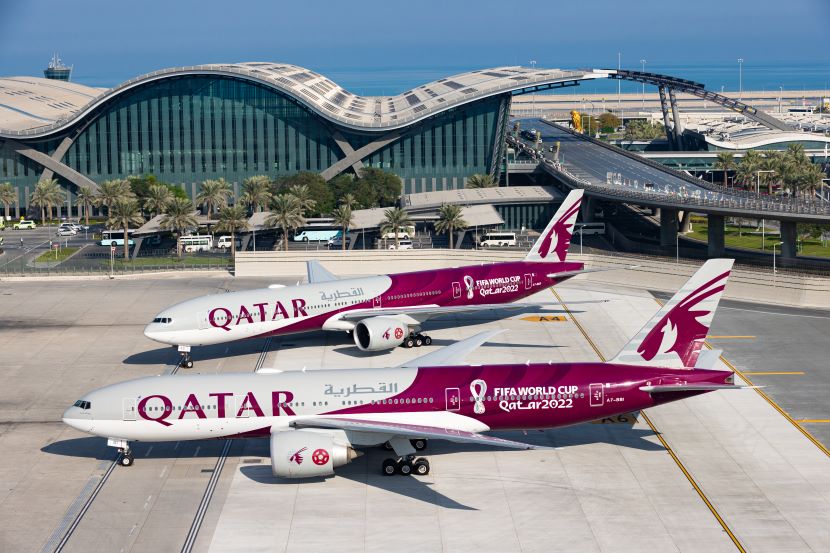
Photo Credit: Hamad International Airport
Qatar Airways, a globally recognized leader in the aviation industry, has experienced an unprecedented operational challenge, with a staggering 90 flights being diverted in recent times. This significant disruption stems directly from missile attacks, forcing the airline to reroute its aircraft and impacting its carefully orchestrated flight schedules. The incidents highlight the growing volatility and security concerns within certain airspace corridors, directly affecting commercial aviation.
The impact of these diversions extends far beyond simple schedule adjustments. For Qatar Airways, it represents a substantial operational and financial strain. Rerouting flights necessitates increased fuel consumption, additional crew hours, and potential passenger reaccommodation, all contributing to escalating costs. Furthermore, the unpredictable nature of these security threats creates a climate of uncertainty, making long-term planning and resource allocation increasingly complex.
The decision to divert flights is never taken lightly. It is a critical safety measure, prioritizing the well-being of passengers and crew above all else. Aviation authorities and airlines constantly monitor geopolitical developments and assess airspace risks. When threats like missile attacks are identified, immediate action is paramount to avoid any potential harm. This proactive approach, while disruptive, is essential for maintaining the highest safety standards.
This situation also underscores the broader challenges facing the global aviation sector. Airlines operate in an interconnected world, and disruptions in one region can have ripple effects across international routes. The reliance on specific airspaces means that geopolitical instability can directly translate into operational headaches and financial losses for carriers.
For passengers, these diversions can lead to extended travel times, missed connections, and potential inconvenience. Qatar Airways, like any major airline, will be working diligently to minimize these disruptions and communicate effectively with affected travelers. The ability to adapt and respond swiftly to unforeseen circumstances is a testament to the airline’s robust operational capabilities.
The ongoing nature of these missile attacks presents a significant hurdle for Qatar Airways and the broader air travel industry. The airline’s ability to navigate these challenges will depend on its continued commitment to safety, operational flexibility, and clear communication. The industry will be closely watching how Qatar Airways, and other carriers in similar situations, manage these complex and high-stakes operational demands. The resilience and adaptability of airlines are being tested, and the focus remains on ensuring the safe and efficient movement of people and cargo in an increasingly unpredictable world.
Read the Complete Article.
Get curated travel AI insights — choose the newsletters that matter to you.
This spot is reserved for brands with a compelling story for the travel trade. They use this space to cut...
Read moreDetailsALTOUR Expands into Thailand, Strengthening Corporate Travel Network Across Southeast Asia BANGKOK, THAILAND (25 March, 2026) – ALTOUR, a leading...
Read moreDetails


Comprehensive Summarization: Qatar Airways has suspended service to 12 major international routes, including Tokyo, Moscow, Seoul, Munich, and Kolkata, among...
Read moreDetails