



















Travel Capitalist Ventures Expands Check Size to $10 Million to Deepen Emerging Market Conviction
Boutique Travel VC raises investment cap from $1.5M to $10M to lead rounds and support portfolio companies through growth Travel...
Read moreDetails
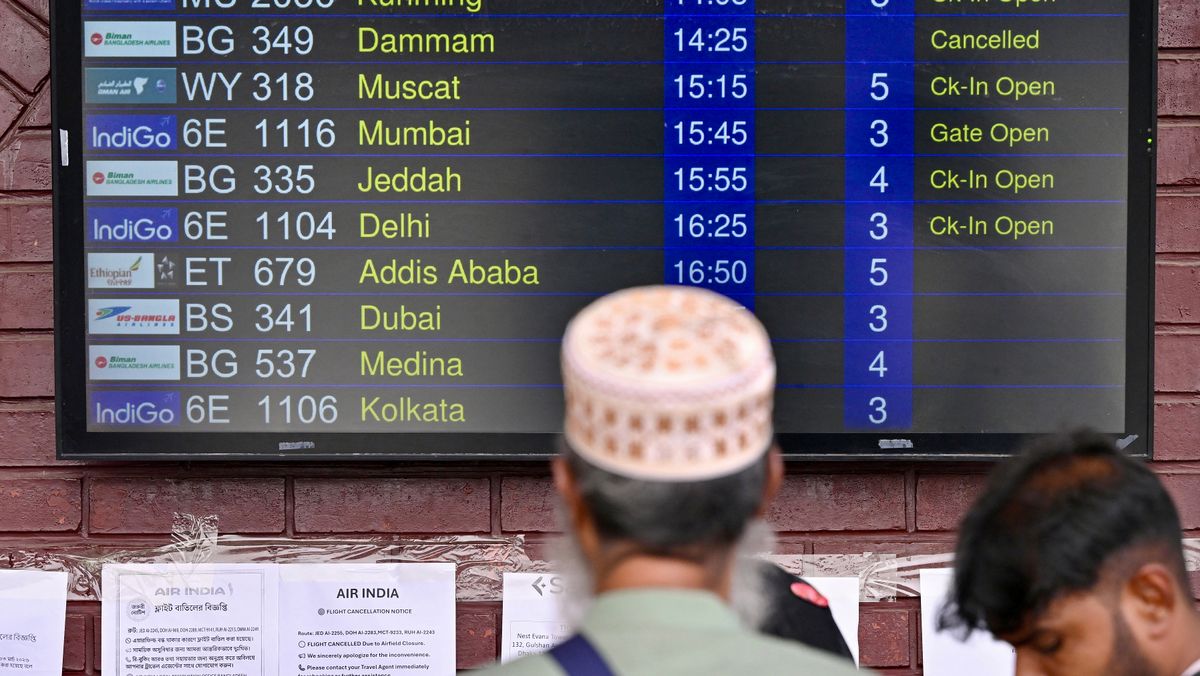
(Image: AFP via Getty Images)
Comprehensive Summarization:
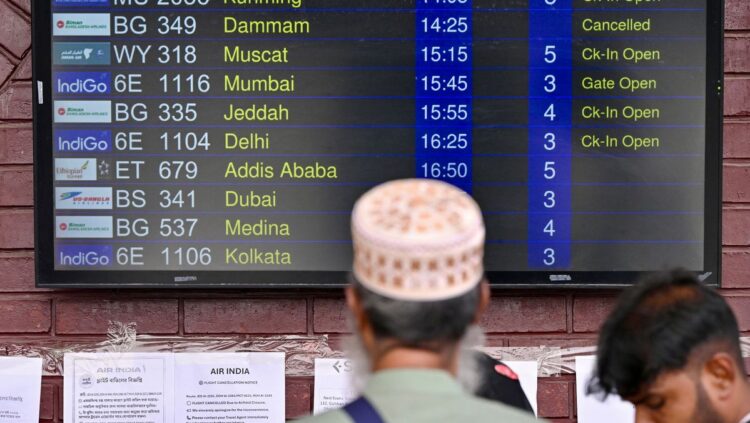
The article reports that Qatar Airways has announced that its flights will remain grounded until at least Friday due to the conflict in the Middle East and the closure of airspace. This situation has caused chaos in the travel industry, particularly affecting major hubs. The airline’s decision to suspend flights is a direct response to the ongoing hostilities and airspace restrictions, impacting both passengers and the broader travel sector. The article also touches on the broader implications of such conflicts on the travel industry, highlighting the interconnectedness of global air travel and the potential ripple effects on related sectors such as tourism, hospitality, and aviation technology.
Key Points:
Actionable Takeaways:
Monitor Geopolitical Developments: Airlines and travel companies should closely monitor geopolitical developments and airspace restrictions, particularly in regions prone to conflict. This proactive approach can help in anticipating and mitigating potential disruptions to flight schedules and travel plans.
Diversify Routes and Partnerships: To mitigate risks associated with geopolitical tensions, airlines could consider diversifying their route networks and forming strategic partnerships with airlines operating in different regions. This strategy can provide alternative pathways for passengers and reduce dependency on single hubs or carriers.
Invest in Digital Solutions: The article highlights the impact of conflicts on travel logistics and passenger experience. Investing in digital solutions such as real-time flight tracking, flexible booking options, and enhanced customer support can improve resilience and customer satisfaction during turbulent times.
Contextual Insights:
The grounding of Qatar Airways flights due to the Middle East conflict underscores the vulnerability of the travel industry to geopolitical tensions. This situation is emblematic of a broader trend where global air travel is increasingly susceptible to disruptions caused by political instability and conflict. The article also reflects the growing importance of digital solutions in managing travel disruptions. As the industry continues to evolve, the integration of advanced technologies and flexible travel policies will be crucial in maintaining operational resilience and ensuring a positive passenger experience. Furthermore, the article highlights the interconnected nature of the travel sector, where disruptions in one area can have cascading effects on related industries such as tourism and hospitality. This interconnectedness necessitates a holistic approach to risk management and strategic planning within the travel ecosystem.
Read the Complete Article.
Boutique Travel VC raises investment cap from $1.5M to $10M to lead rounds and support portfolio companies through growth Travel...
Read moreDetails



Comprehensive Summarization: The article reports that Qatar Airways has announced that its flights will remain grounded until at least Friday...
Read moreDetails
