








No products in the cart.
- Latest
- Trending

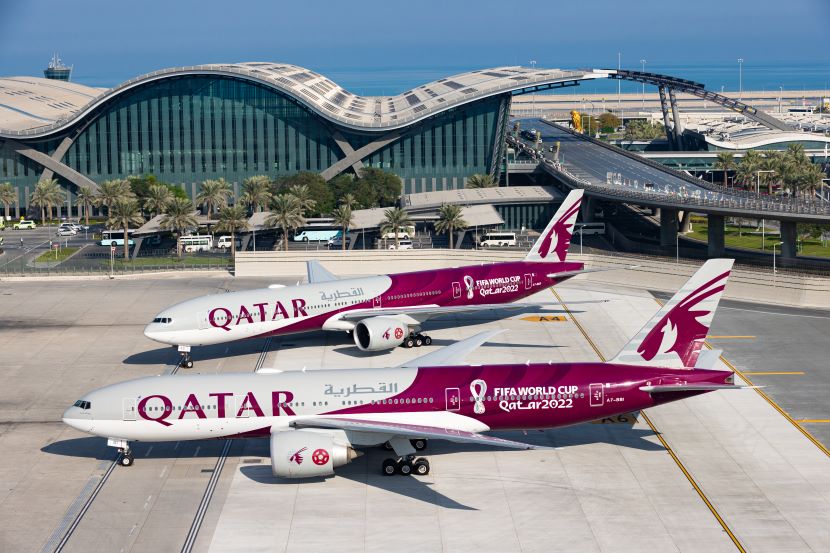
Russia Joins Japan, Germany, India, South Korea, and More in Qatar Airways’ Suspension of Service to...
Comprehensive Summarization:
Qatar Airways has suspended service to 12 major international routes, including Tokyo, Moscow, Seoul, Munich, and Kolkata, among others. This decision affects Russia, Japan, Germany, India, South Korea, and other countries, disrupting key travel hubs. The article, published on March 23, 2026, provides a snapshot of the latest developments in the airline industry, highlighting the impact of such service suspensions on global travel and the interconnectedness of international routes.
Key Points:
Actionable Takeaways:
Impact on Travel Planning: Airlines and travel agencies should reassess their route networks and travel itineraries, particularly for routes affected by Qatar Airways’ suspension. This may involve rebooking passengers, adjusting schedules, or exploring alternative airlines to mitigate disruptions.
Market Adaptation: The airline industry must adapt to such disruptions by enhancing flexibility in ticketing policies and improving communication with travelers. Offering compensation or upgrades for affected passengers can help maintain customer satisfaction and loyalty.
Investment in Alternative Routes: Airlines may consider investing in or expanding services on alternative routes to compensate for lost traffic. This could involve strategic partnerships or acquisitions to bolster their network and maintain competitiveness.
Contextual Insights:
The suspension of Qatar Airways’ service to several major international routes underscores the interconnected nature of global air travel. Such disruptions highlight the vulnerability of the airline industry to operational decisions by key carriers and the importance of diversifying travel options. From a strategic perspective, this event emphasizes the need for airlines to build resilient networks capable of withstanding such shocks. Additionally, the incident reflects broader trends in the travel industry, such as the increasing importance of digital tools for managing travel disruptions and the growing emphasis on customer-centric solutions. As the industry evolves, thought leaders predict a shift towards more agile and resilient business models, leveraging technology to enhance operational efficiency and customer experience.
Read the Complete Article.
Get curated travel AI insights — choose the newsletters that matter to you.
This spot is reserved for brands with a compelling story for the travel trade. They use this space to cut...
Read moreDetailsALTOUR Expands into Thailand, Strengthening Corporate Travel Network Across Southeast Asia BANGKOK, THAILAND (25 March, 2026) – ALTOUR, a leading...
Read moreDetails


Comprehensive Summarization: Qatar Airways has suspended service to 12 major international routes, including Tokyo, Moscow, Seoul, Munich, and Kolkata, among...
Read moreDetails