


















Travel Capitalist Ventures Expands Check Size to $10 Million to Deepen Emerging Market Conviction
Boutique Travel VC raises investment cap from $1.5M to $10M to lead rounds and support portfolio companies through growth Travel...
Read moreDetails
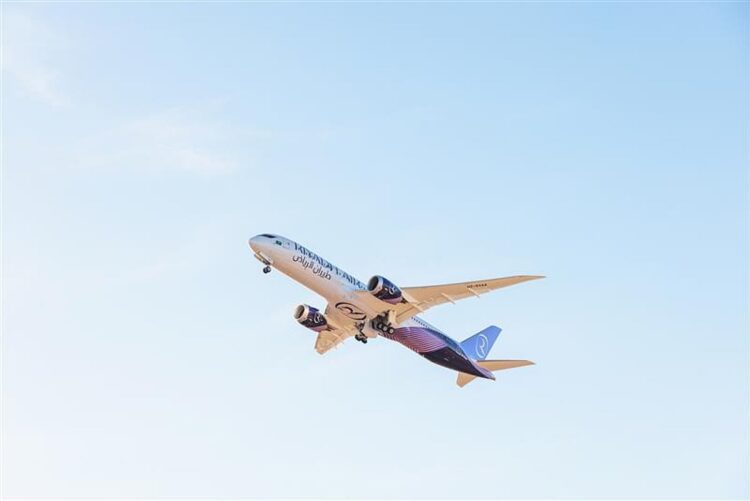
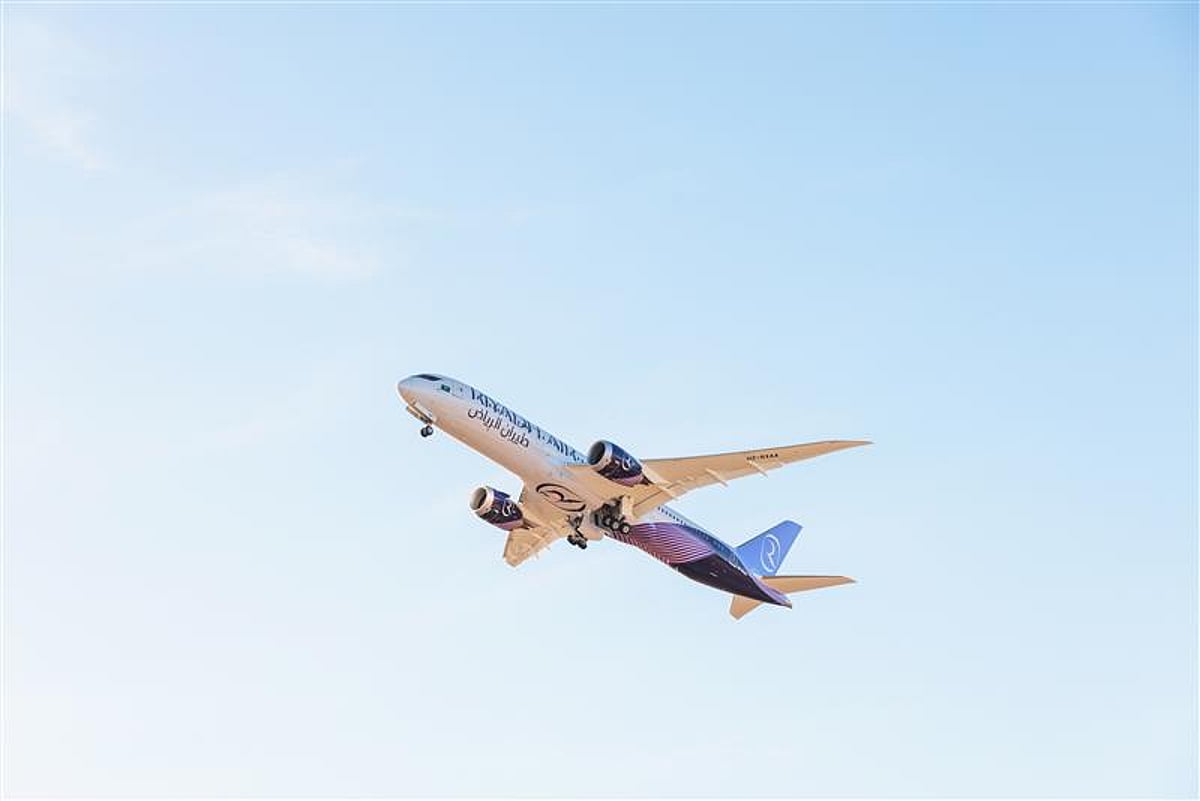
Riyadh Air's first Boeing 787 Dreamliner completes first test flight, taking the airline closer to launch
Article Summary:
Riyadh Air, like other new airlines globally, is facing challenges related to aircraft delivery timelines. The primary issue cited is the ongoing supply chain constraints and certification delays experienced by aircraft manufacturers, which have impacted multiple aircraft programs, including the Boeing 787. This situation highlights the broader industry-wide challenges in aircraft delivery and underscores the complexities faced by new entrants in the aviation sector.
Key Points:
Actionable Takeaways:
Contextual Insights:
The challenges faced by Riyadh Air and other new airlines in aircraft delivery timelines are reflective of broader industry trends characterized by supply chain disruptions and certification delays. These issues are not unique to Riyadh Air but are indicative of systemic challenges within the aviation sector. The article’s context is further enriched by the latest travel trends and insights from thought leaders, who highlight the increasing importance of technological innovation and strategic partnerships in overcoming such obstacles. Forward-looking perspectives suggest that airlines that invest in resilient supply chain strategies and adopt advanced technologies will be better positioned to navigate the complexities of the modern aviation landscape. This contextual understanding is crucial for professionals in the travel industry, as it provides a clear picture of the current challenges and the potential pathways to overcome them.
Read the Complete Article.
Boutique Travel VC raises investment cap from $1.5M to $10M to lead rounds and support portfolio companies through growth Travel...
Read moreDetails




