






















Travel Capitalist Ventures Expands Check Size to $10 Million to Deepen Emerging Market Conviction
Boutique Travel VC raises investment cap from $1.5M to $10M to lead rounds and support portfolio companies through growth Travel...
Read moreDetails

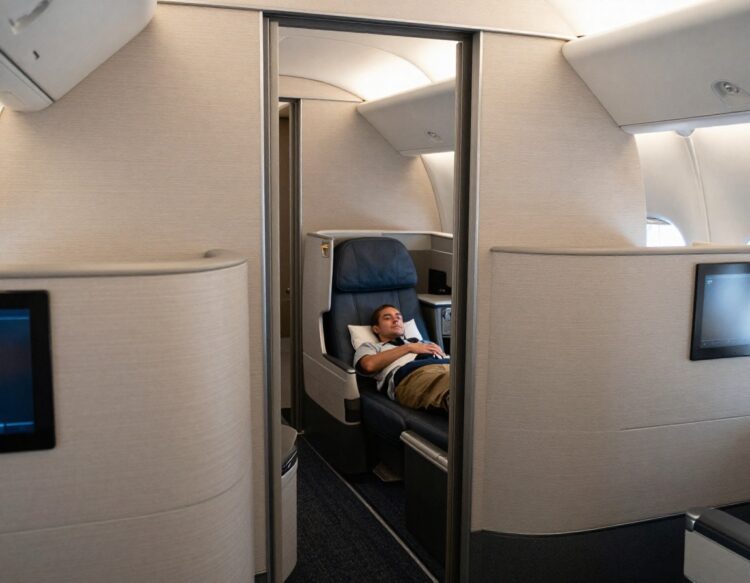
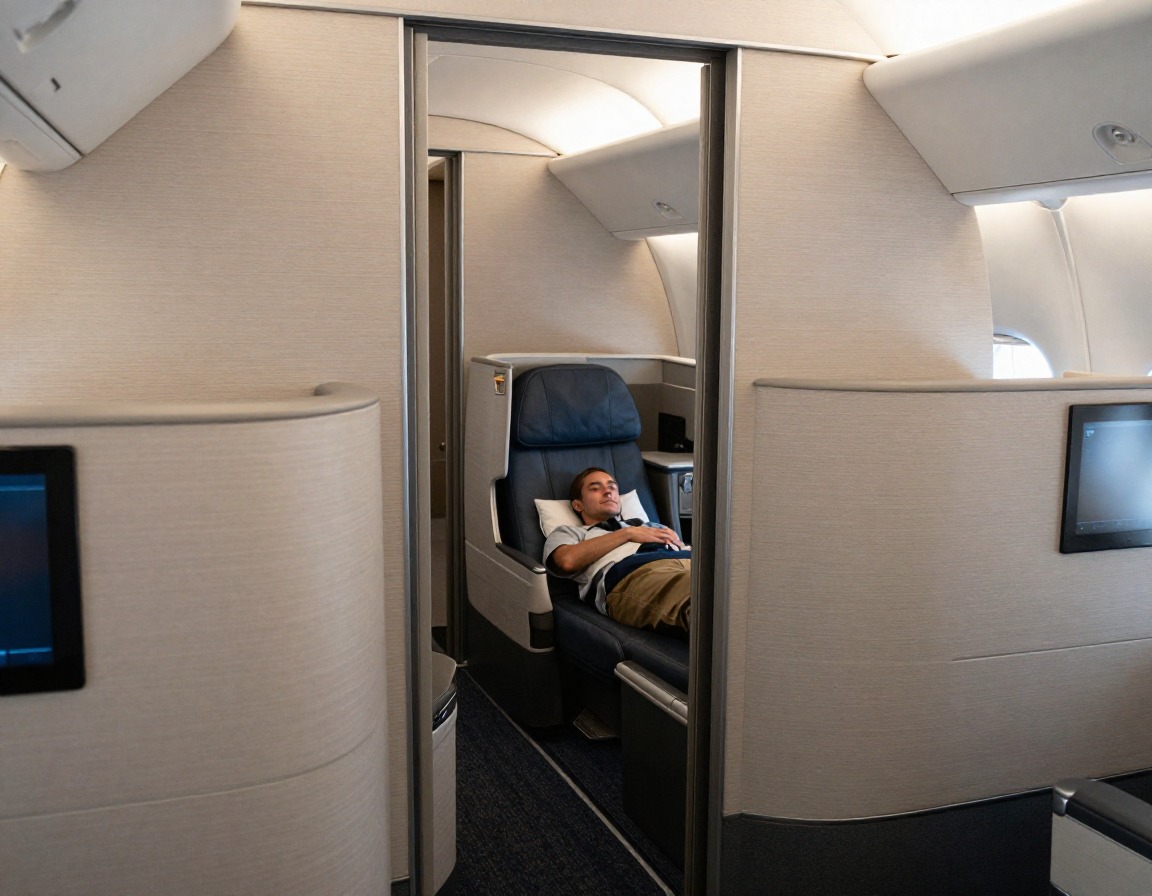
Emirates Joins Qatar Airways, Singapore Airlines, Riyadh Air & American Airlines in Quietly Rewritin...
Comprehensive Summarization:
The article highlights a significant shift in the global travel industry, driven by the strategic partnerships and expansions of major airlines such as Emirates, Qatar Airways, Singapore Airlines, Riyadh Air, and American Airlines. This shift is redefining the traditional divide between first-class and business-class travel, indicating a broader transformation in the way passengers experience and perceive air travel. The developments are particularly impactful for the hotel industry in Saudi Arabia, the UK, and Asia, suggesting a booming sector that is aligning with these aviation changes. Published on January 26, 2026, the article underscores the evolving landscape of modern travel, emphasizing the need for industry stakeholders to adapt to these emerging trends.
Key Points:
Actionable Takeaways:
Adaptation to New Travel Class Models: Airlines and hotels should consider reevaluating their class structures to align with the emerging trends of blended travel experiences. This could involve offering more integrated services and amenities across different class levels to enhance passenger satisfaction and loyalty.
Regional Market Expansion: The booming hotel industry in Saudi Arabia, the UK, and Asia presents a significant opportunity for investment and expansion. Stakeholders in the travel industry should explore these markets to capitalize on the growing demand and align with the evolving travel preferences.
Innovation in Travel Services: The shift in travel dynamics calls for innovative solutions in travel tech, such as enhanced in-flight services, personalized travel experiences, and seamless integration of hotel services with airline offerings. Investing in these areas can provide a competitive edge and meet the changing expectations of modern travelers.
Contextual Insights:
The article’s focus on the evolving nature of air travel and its impact on the hotel industry reflects current industry trends where technological advancements and strategic partnerships are driving change. The gradual notice by passengers indicates a slow but steady adoption of these new models, suggesting that industry players should prepare for a longer-term shift rather than a sudden overhaul. Forward-looking insights suggest that the integration of travel services across different sectors will become increasingly important, potentially leading to new business models and partnerships in the travel and tourism sector. This context aligns with the broader trend of digital transformation in the travel industry, where innovation and adaptability are key to staying competitive.
Read the Complete Article.
Boutique Travel VC raises investment cap from $1.5M to $10M to lead rounds and support portfolio companies through growth Travel...
Read moreDetails




