




















Travel Capitalist Ventures Expands Check Size to $10 Million to Deepen Emerging Market Conviction
Boutique Travel VC raises investment cap from $1.5M to $10M to lead rounds and support portfolio companies through growth Travel...
Read moreDetails
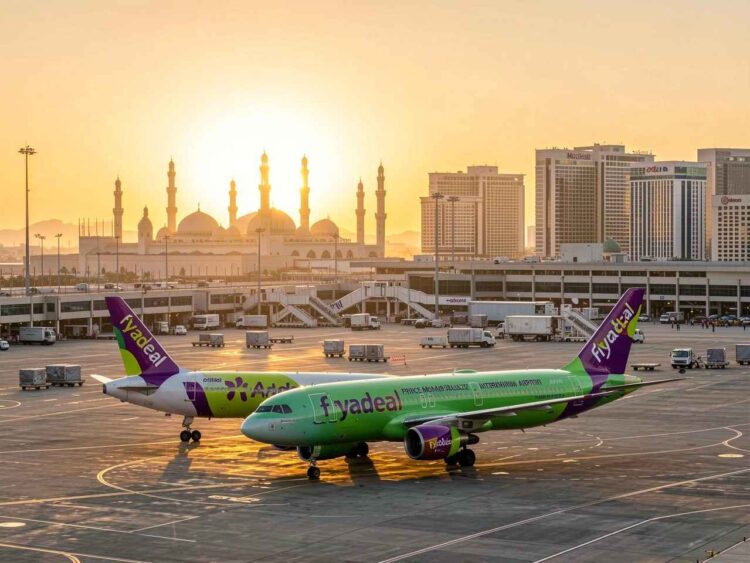
flyadeal, Saudia, Riyadh Air and Qatar Airways Ignite Saudi Arabia’s Madinah Expansion as India, Ind...
Comprehensive Summarization:
The article highlights the rapid expansion of Saudi Arabia’s aviation and tourism sector, particularly focusing on the emergence of Madinah as a secondary hub under Vision 2030. This development is driven by increased pilgrim demand and is supported by the growth of key airlines such as flyadeal, Saudia, and Riyadh Air. The expansion is part of Saudi Arabia’s broader Vision 2030 strategy, which aims to diversify the economy and enhance tourism. Major hotel chains like Marriott, Hilton, and Accor are also experiencing a boom in the region, reflecting the growing interest in Madinah as a pilgrimage and tourism destination. The article underscores the significant role of Vision 2030 in reshaping Saudi Arabia’s travel landscape, emphasizing the interplay between aviation, tourism, and hospitality sectors.
Key Points:
Expansion of Saudi Arabia’s Aviation and Tourism Sector: The article discusses the rapid growth of Saudi Arabia’s aviation and tourism industry, with a focus on the emergence of Madinah as a secondary hub.
Increased Pilgrim Demand: The expansion is fueled by rising demand from pilgrims, indicating a strong connection between religious tourism and the growth of the travel sector in Saudi Arabia.
Support from Key Airlines: The article mentions the role of flyadeal, Saudia, and Riyadh Air in supporting the expansion of Saudi Arabia’s aviation network, which is crucial for enhancing tourism.
Impact of Vision 2030: The article underscores how Vision 2030, Saudi Arabia’s economic diversification strategy, is driving the growth of the tourism sector, including the development of Madinah as a key destination.
Participation of Major Hotel Chains: The boom in the hotel industry, led by Marriott, Hilton, and Accor, reflects the broader economic and tourism growth under Vision 2030.
Actionable Takeaways:
Investment in Aviation Infrastructure: Airlines such as flyadeal, Saudia, and Riyadh Air should continue to invest in expanding their networks to support the growing demand for pilgrim travel. This investment is crucial for maintaining and enhancing Saudi Arabia’s position as a key pilgrimage destination.
Strategic Partnerships with Hospitality Sector: Hotel chains like Marriott, Hilton, and Accor should explore strategic partnerships with airlines to offer integrated travel solutions for pilgrims. This collaboration can enhance the overall travel experience and drive further growth in the tourism sector.
Leverage Vision 2030 for Economic Diversification: Businesses and investors in the travel industry should align their strategies with Vision 2030 to capitalize on the diversification efforts. This includes focusing on sustainable tourism practices and leveraging technology to enhance customer experiences.
Contextual Insights:
The article reflects the current trends in the travel industry, particularly the growing importance of pilgrimage tourism and the role of strategic infrastructure development in supporting this demand. The expansion of Saudi Arabia’s aviation sector, driven by Vision 2030, is a direct response to the increasing number of pilgrims and the need to accommodate them efficiently. The involvement of major hotel chains indicates a broader trend of integrating travel and hospitality services to create seamless experiences for tourists. These developments highlight the interconnected nature of aviation, tourism, and hospitality sectors, and underscore the importance of Vision 2030 in shaping the future of Saudi Arabia’s travel industry. As the region continues to focus on economic diversification, the travel sector is poised for significant growth, driven by technological advancements and strategic planning.
Read the Complete Article.
Boutique Travel VC raises investment cap from $1.5M to $10M to lead rounds and support portfolio companies through growth Travel...
Read moreDetails




