























Travel Capitalist Ventures Expands Check Size to $10 Million to Deepen Emerging Market Conviction
Boutique Travel VC raises investment cap from $1.5M to $10M to lead rounds and support portfolio companies through growth Travel...
Read moreDetails
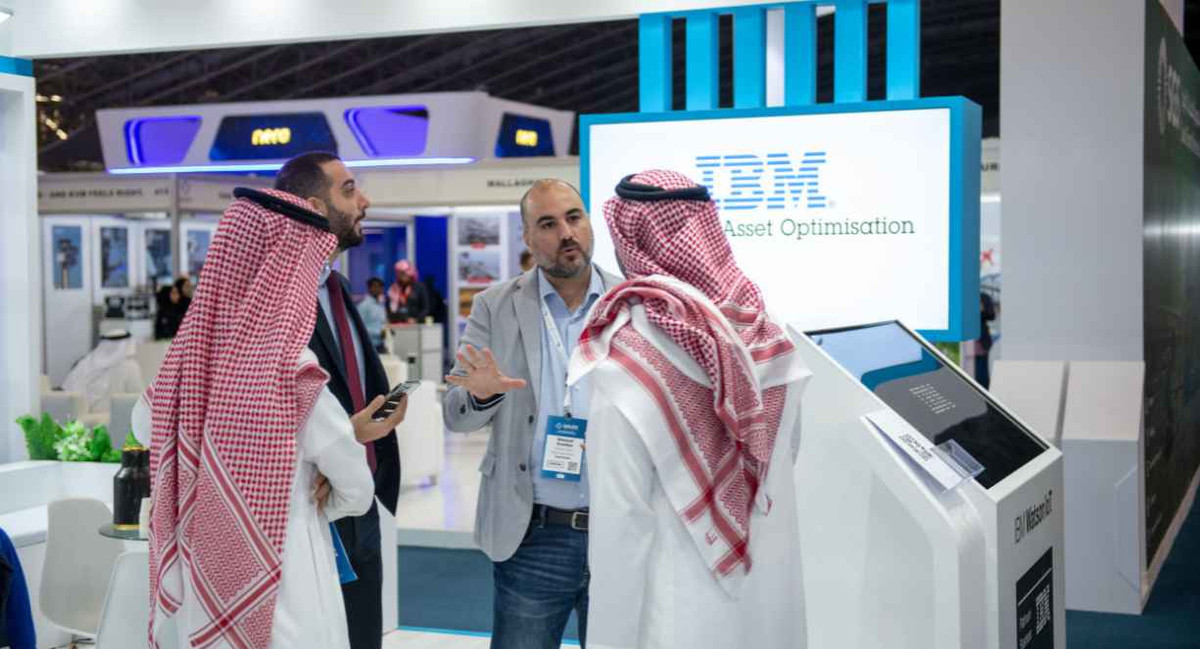
Global Airports Forum opens in Riyadh
Article Summary:
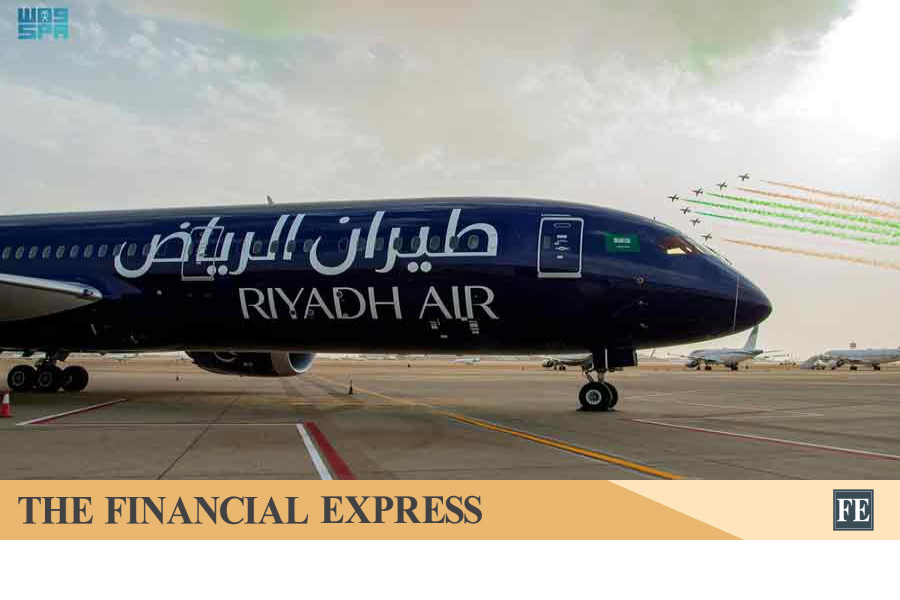
Saudi Arabia is redefining its aviation strategy through Vision 2030, aiming to transform aviation into a core economic enabler. The kingdom targets 330 million passengers annually by 2030 and air cargo volumes of 4.5 million tons. This ambitious plan includes new airports, terminals, logistics zones, and fleet expansions, with 460 aircraft orders across four airlines. The article also touches on the latest travel trends and insights from thought leaders, highlighting innovations in travel tech, startups, and fintech.
Key Points:
Actionable Takeaways:
Infrastructure Investment: Saudi Arabia’s focus on expanding airports, terminals, and logistics zones presents opportunities for investors and service providers in aviation infrastructure. This development could lead to increased efficiency and capacity in the Saudi Arabian aviation sector, benefiting airlines and related businesses.
Fleet Expansion and Technological Integration: The planned fleet expansion of 460 aircraft across four airlines indicates a significant shift towards modernizing the Saudi Arabian aviation fleet. This move aligns with global trends in aviation technology, such as the adoption of more fuel-efficient aircraft and advanced navigation systems. Airlines investing in newer, more technologically advanced fleets may gain competitive advantages in terms of operational efficiency and passenger experience.
Opportunities in Travel Tech and Fintech: The article highlights the importance of travel technology and fintech in supporting the aviation strategy. Innovations in these sectors, such as digital ticketing, seamless payment solutions, and enhanced customer experience platforms, could play a crucial role in achieving Saudi Arabia’s passenger and cargo targets. Startups and established companies in these fields should consider partnerships or investments in Saudi Arabia to capitalize on the growing aviation market.
Contextual Insights:
The article reflects the broader context of Saudi Arabia’s Vision 2030, which aims to diversify the economy and reduce dependency on oil revenues. Aviation is identified as a key sector for growth, aligning with global trends where air travel is increasingly becoming a critical component of international trade and tourism. The emphasis on new airports, terminals, and logistics zones underscores the kingdom’s commitment to enhancing global connectivity, which is essential for both economic development and tourism promotion.
In the context of current industry trends, the focus on technological advancements and digital transformation in travel is noteworthy. The integration of AI, IoT, and other emerging technologies in aviation operations and passenger services is expected to drive efficiency, improve safety, and enhance the overall travel experience. Furthermore, the rise of fintech solutions in the travel sector, such as mobile payments and digital currencies, is likely to streamline transactions and improve customer convenience, aligning with Saudi Arabia’s vision for a modernized aviation sector.
Overall, the article provides a forward-looking perspective on Saudi Arabia’s aviation strategy, emphasizing the importance of infrastructure development, technological innovation, and strategic partnerships in achieving ambitious economic goals. For professionals in the travel industry, these insights offer valuable opportunities for engagement, investment, and collaboration in a rapidly evolving market.
Read the Complete Article.
Boutique Travel VC raises investment cap from $1.5M to $10M to lead rounds and support portfolio companies through growth Travel...
Read moreDetails




