























Travel Capitalist Ventures Expands Check Size to $10 Million to Deepen Emerging Market Conviction
Boutique Travel VC raises investment cap from $1.5M to $10M to lead rounds and support portfolio companies through growth Travel...
Read moreDetails
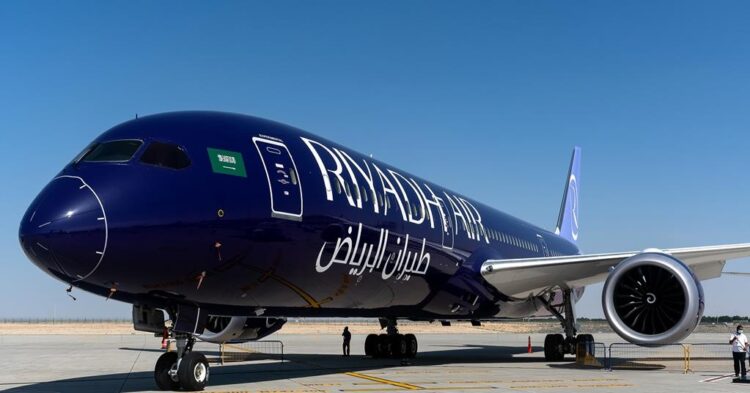
Riyadh Air launches cargo operations with belly capacity on widebody fleet
Comprehensive Summarization:
Riyadh Air, a recently launched Saudi Arabian airline, has initiated cargo operations utilizing the belly capacity of its passenger fleet. The airline’s strategy involves leveraging capacity on over 120 widebody aircraft that are on order. Riyadh Air has announced plans to eventually operate 50 Airbus A350-1000 aircraft, 60 Airbus A321neo aircraft, and 39 Boeing 787-9s, with an additional 33 Boeing 787-9s yet to be confirmed. This development marks a significant step in the airline’s cargo operations, aligning with broader industry trends towards optimizing cargo capacity on existing passenger fleets.
Key Points:
Actionable Takeaways:
Optimization of Existing Fleet for Cargo Operations: Riyadh Air’s strategy to utilize the belly capacity of its passenger fleet for cargo operations demonstrates a forward-thinking approach in maximizing the utility of existing assets. This can serve as a model for other airlines looking to enhance their cargo capabilities without significant capital investment in new aircraft. It highlights the potential for airlines to adapt their operations to meet growing demand for cargo services efficiently.
Strategic Fleet Expansion: Riyadh Air’s plans to eventually operate 50 Airbus A350-1000 aircraft, 60 Airbus A321neo aircraft, and 39 Boeing 787-9s indicate a strategic expansion of its fleet. This expansion is likely driven by the need to meet increasing demand for both passenger and cargo services. For industry stakeholders, this underscores the importance of strategic fleet planning and the potential benefits of diversifying aircraft types to cater to different market segments.
Contextual Insights:
The launch of Riyadh Air’s cargo operations using its passenger fleet’s belly capacity reflects a broader industry trend towards optimizing existing assets to meet growing demand. This approach is particularly relevant in the current travel landscape, where airlines are under pressure to enhance operational efficiency and profitability. The focus on leveraging widebody aircraft, which are versatile for both passenger and cargo services, aligns with the industry’s push towards maximizing the utility of existing fleets.
Moreover, the strategic fleet expansion plans of Riyadh Air highlight the ongoing evolution of the travel industry, where airlines are increasingly investing in fleet modernization and diversification. This trend is supported by the latest travel trends, which emphasize the importance of flexibility and adaptability in fleet management. As thought leaders predict, such innovations will play a crucial role in shaping the future of air travel, particularly in the context of emerging technologies and changing consumer preferences.
In conclusion, Riyadh Air’s initiative to launch cargo operations using its passenger fleet’s belly capacity is a strategic move that underscores the industry’s shift towards operational efficiency and fleet optimization. The actionable takeaways from this development provide valuable insights for industry stakeholders, emphasizing the importance of leveraging existing assets and strategic fleet planning to meet evolving market demands.
Read the Complete Article.
Boutique Travel VC raises investment cap from $1.5M to $10M to lead rounds and support portfolio companies through growth Travel...
Read moreDetails




