





















Travel Capitalist Ventures Expands Check Size to $10 Million to Deepen Emerging Market Conviction
Boutique Travel VC raises investment cap from $1.5M to $10M to lead rounds and support portfolio companies through growth Travel...
Read moreDetails
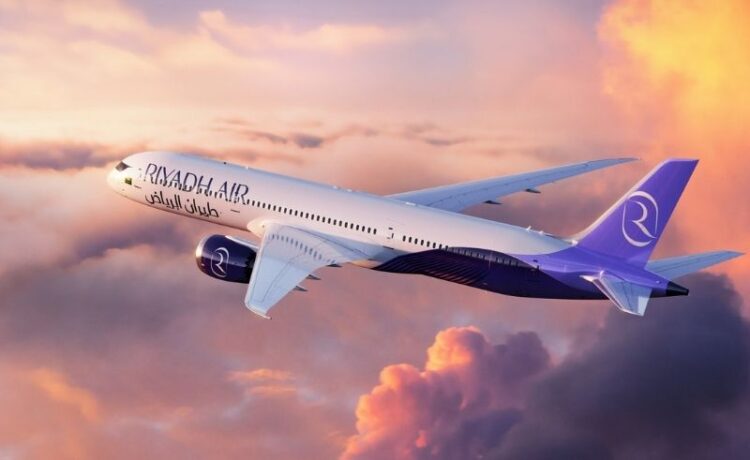
Riyadh Air Launches Daily Flights From Riyadh to Cairo
Comprehensive Summarization:
Riyadh Air, Saudi Arabia’s newest national carrier, has announced the launch of daily flights between Riyadh’s King Khalid International Airport and Cairo International Airport. This marks Cairo as the airline’s third passenger destination. Although the official launch date has not been announced, the service is set to operate using Riyadh Air’s Boeing 787-9 aircraft. The article also references the broader travel industry trends and insights from thought leaders, highlighting the growing importance of new airline routes and the role of innovative carriers in shaping the future of air travel.
Key Points:
Actionable Takeaways:
Expansion of Air Connectivity: The launch of daily flights between Riyadh and Cairo by Riyadh Air signifies an expansion of air connectivity in the Middle East. This development could enhance business and tourism opportunities between the two cities, potentially driving economic growth in the region. For travel industry stakeholders, this could mean increased demand for air travel services and opportunities for partnerships or collaborations with Riyadh Air.
Influence of New Airline Entrants: The entry of Riyadh Air into the Cairo market highlights the increasing competition among airlines to capture market share. For startups and existing airlines, this underscores the importance of strategic route planning, innovative service offerings, and leveraging advanced technologies to stay competitive. It also suggests a trend towards more frequent and direct flights between key cities, which could influence travel planning and consumer behavior.
Contextual Insights:
The launch of Riyadh Air’s daily flights to Cairo reflects broader trends in the travel industry, such as the growing demand for direct flights between major cities to reduce travel time and enhance connectivity. This move aligns with the industry’s shift towards more efficient and customer-centric air travel solutions. Furthermore, the use of Boeing 787-9 aircraft, known for their fuel efficiency and passenger comfort, underscores the industry’s focus on sustainability and passenger experience. From a thought leader perspective, this development could signal a broader trend towards the expansion of regional air networks, driven by both established carriers and new entrants. This trend is likely to have significant implications for travel startups and fintech innovations, as airlines seek to optimize operations and enhance customer experiences through technology-driven solutions.
Read the Complete Article.
Boutique Travel VC raises investment cap from $1.5M to $10M to lead rounds and support portfolio companies through growth Travel...
Read moreDetails




