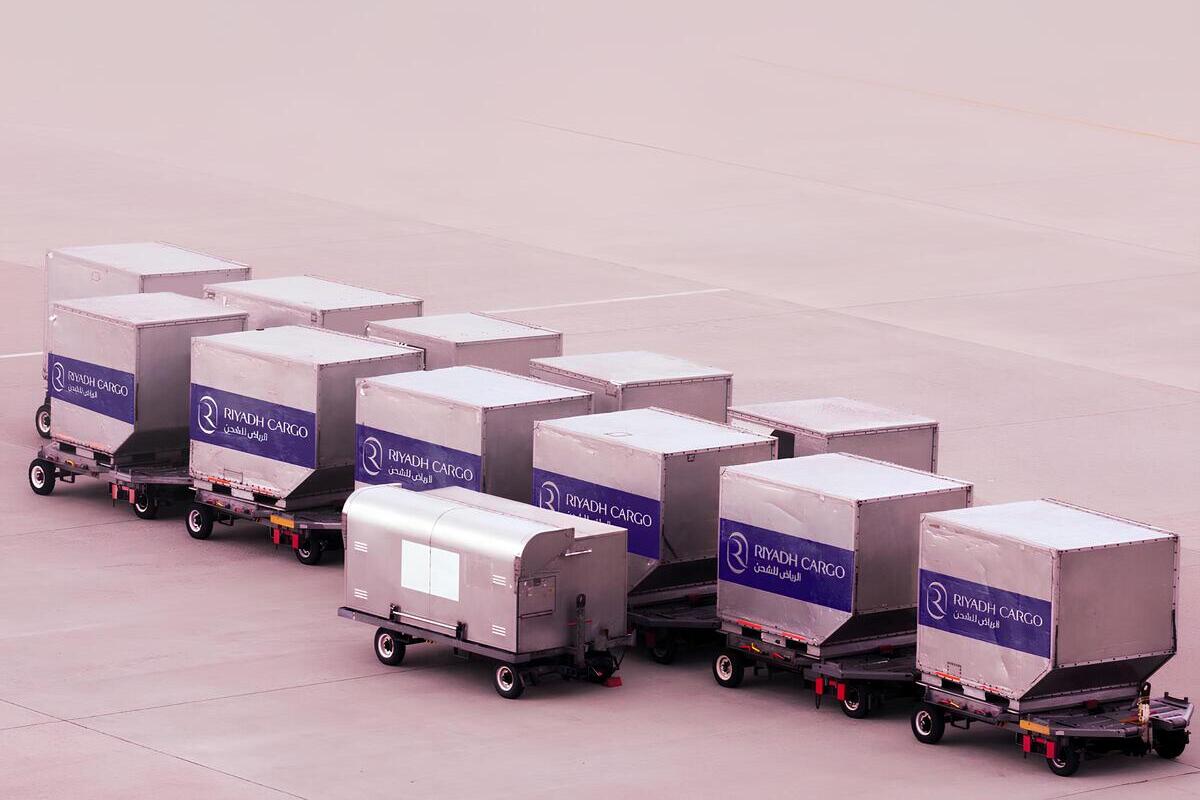
























Travel Capitalist Ventures Expands Check Size to $10 Million to Deepen Emerging Market Conviction
Boutique Travel VC raises investment cap from $1.5M to $10M to lead rounds and support portfolio companies through growth Travel...
Read moreDetails
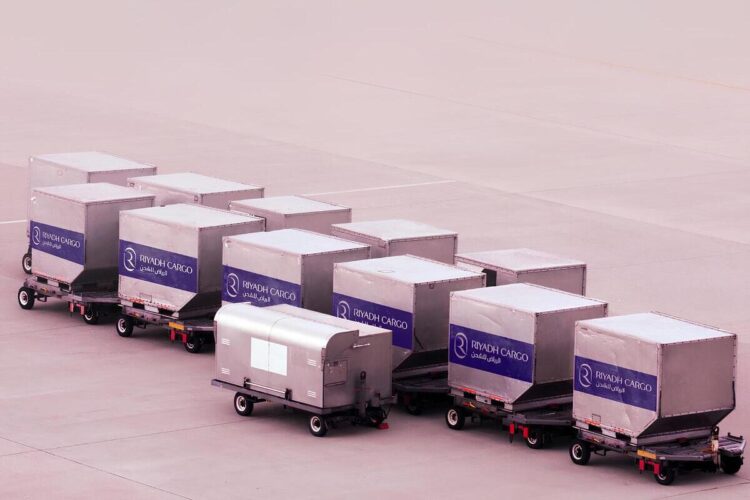
Photo Credit: Riyadh Air
Comprehensive Summarization:
Riyadh Air, Saudi Arabia’s new national airline, has officially launched its cargo division under the brand Riyadh Cargo. This strategic move marks the airline’s entry into the competitive global air cargo market, activating belly-hold cargo services across its expanding wide-body fleet. The launch is a significant milestone for Riyadh Air, leveraging capacity on over 120 wide-body aircraft currently on order, primarily Boeing 787s. This development represents a forward step for the airline in the air cargo sector, aligning with broader industry trends towards expanding cargo services.
Key Points:
Actionable Takeaways:
Expansion in Air Cargo Services: Riyadh Air’s launch of Riyadh Cargo signifies a strategic expansion into the air cargo market. This move could lead to increased demand for cargo handling services and infrastructure, presenting opportunities for logistics and supply chain companies to partner with or invest in the airline. (Relevance: Aligns with current industry trends towards expanding cargo services.)
Leveraging Wide-Body Fleet: By utilizing its fleet of over 120 wide-body aircraft, Riyadh Air demonstrates a focus on maximizing cargo capacity. This strategic use of its fleet could lead to improved efficiency and cost-effectiveness in cargo operations, potentially setting a benchmark for other airlines in the sector. (Relevance: Highlights the importance of fleet utilization in optimizing cargo operations.)
Potential for Technological Integration: As Riyadh Air enters the competitive air cargo market, there may be opportunities for integrating advanced technologies such as AI for route optimization, IoT for real-time cargo tracking, and blockchain for secure cargo documentation. These technologies could enhance operational efficiency and customer satisfaction. (Relevance: Reflects the growing trend of technological integration in the travel industry.)
Contextual Insights:
The launch of Riyadh Air’s cargo division under Riyadh Cargo is a strategic move that aligns with the broader industry trend of airlines expanding their cargo services to meet growing global demand. With the aviation sector increasingly focusing on efficiency and capacity utilization, Riyadh Air’s strategic entry into the air cargo market could have significant implications for the industry. The airline’s decision to leverage its growing wide-body fleet for cargo services underscores the importance of fleet optimization in the modern travel landscape. Furthermore, the launch reflects the ongoing trend of technological integration in the travel industry, with airlines adopting advanced technologies to enhance operational efficiency and customer experience. As the air cargo market continues to evolve, Riyadh Air’s strategic move sets a precedent for other airlines to follow, potentially driving innovation and competition in the sector.
Read the Complete Article.
Boutique Travel VC raises investment cap from $1.5M to $10M to lead rounds and support portfolio companies through growth Travel...
Read moreDetails




