























Travel Capitalist Ventures Expands Check Size to $10 Million to Deepen Emerging Market Conviction
Boutique Travel VC raises investment cap from $1.5M to $10M to lead rounds and support portfolio companies through growth Travel...
Read moreDetails
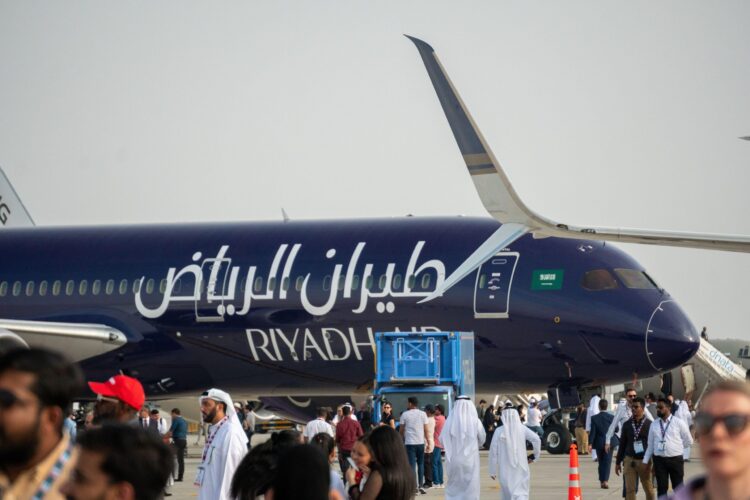
Riyadh Air added cargo services to its passenger offering with an inaugural Heathrow flight
Comprehensive Summarization:
Riyadh Air, a new Saudi carrier owned by the Public Investment Fund, has launched its cargo operations, with the first consignment delivered to London’s Heathrow. This move intensifies competition among Gulf carriers, particularly with Dubai’s Emirates Airline, Abu Dhabi’s Etihad Airways, and Qatar Airways. Riyadh Air plans to use over 120 on-order wide-body aircraft to connect goods across more than 100 global cities, marking a significant development in the cargo travel sector.
Key Points:
Actionable Takeaways:
Increased Competition in Gulf Cargo Market: The entry of Riyadh Air into cargo operations is likely to intensify competition among Gulf carriers. This could lead to improved services, competitive pricing, and expanded routes for cargo travel, benefiting businesses that rely on international freight.
Expansion of Global Connectivity: With plans to connect over 100 global cities using a fleet of over 120 wide-body aircraft, Riyadh Air is poised to significantly expand global cargo connectivity. This expansion could open new opportunities for businesses engaged in international trade, particularly those requiring reliable and efficient cargo services.
Investment in Air Cargo Infrastructure: The backing of the Saudi Public Investment Fund underscores a strategic investment in air cargo infrastructure within the Saudi Arabian market. This could stimulate further growth in the air cargo sector, fostering innovation and technological advancements in logistics and supply chain management.
Contextual Insights:
The launch of Riyadh Air’s cargo operations reflects broader trends in the travel industry, where airlines are increasingly diversifying their services to include cargo operations. This shift is driven by the growing demand for efficient and reliable freight services, especially in the context of global trade and e-commerce. The competition among Gulf carriers, including established players like Emirates Airline, Etihad Airways, and Qatar Airways, highlights the dynamic nature of the aviation sector, where innovation and strategic investments are key to gaining a competitive edge.
Looking ahead, the expansion of Riyadh Air’s cargo network could set a precedent for other airlines in the region to follow suit, potentially leading to a more interconnected and efficient air cargo ecosystem. This development aligns with the broader trend of digital transformation in the travel industry, where technology plays a crucial role in enhancing operational efficiency and customer satisfaction. As such, stakeholders in the travel and logistics sectors should closely monitor Riyadh Air’s progress and consider how they can leverage these developments to enhance their own service offerings and market positioning.
Read the Complete Article.
Boutique Travel VC raises investment cap from $1.5M to $10M to lead rounds and support portfolio companies through growth Travel...
Read moreDetails




