
























Travel Capitalist Ventures Expands Check Size to $10 Million to Deepen Emerging Market Conviction
Boutique Travel VC raises investment cap from $1.5M to $10M to lead rounds and support portfolio companies through growth Travel...
Read moreDetails

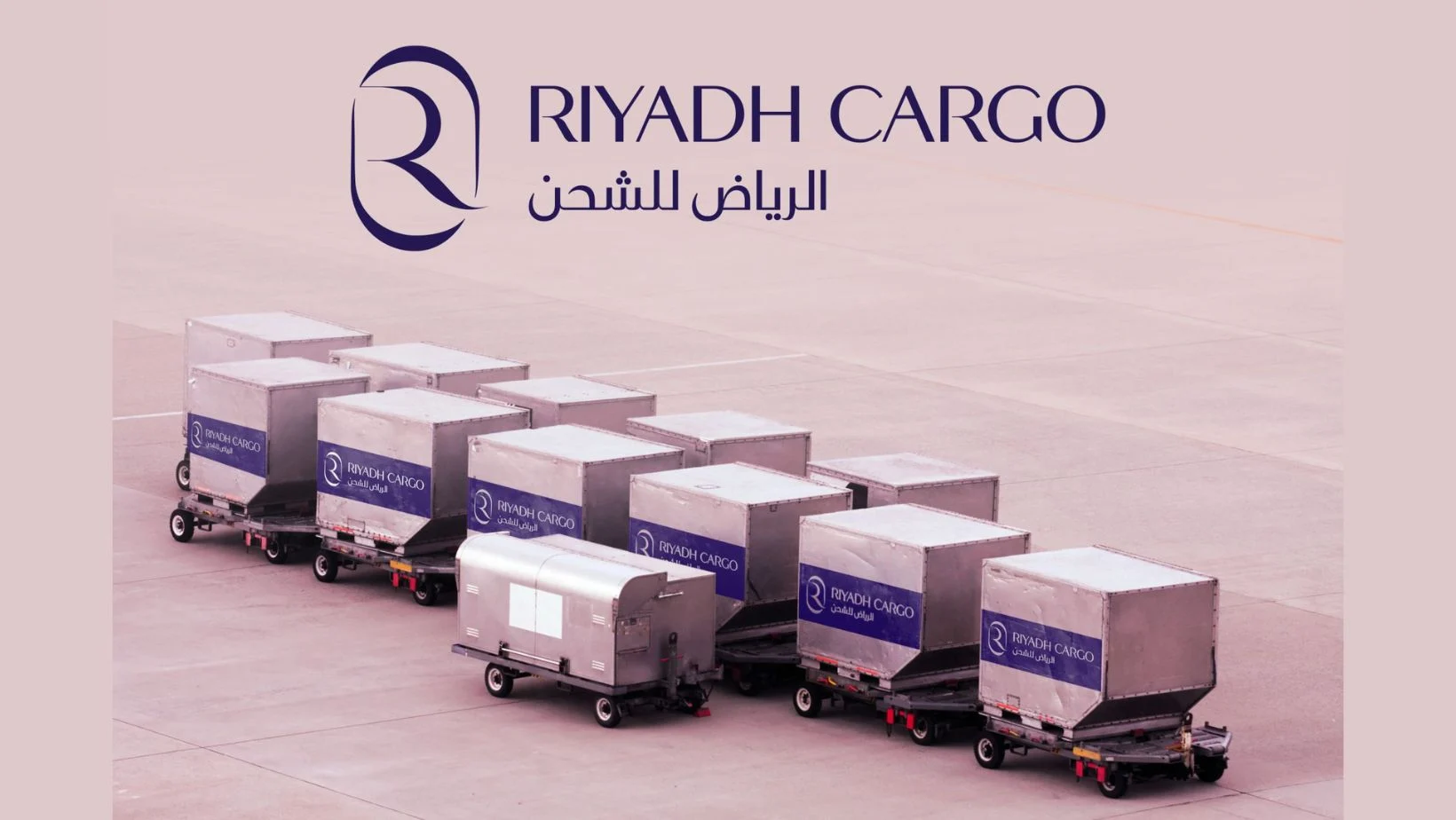
Riyadh Air enters global air cargo market with 'Riyadh Cargo' launch
Comprehensive Summarization:
Saudi Arabia’s new national carrier, Riyadh Air, has launched cargo operations under the brand ‘Riyadh Cargo’ and activated belly-hold cargo operations across its widebody fleet. This move signifies a deliberate, phased approach to building a scalable and integrated cargo business, anchored at its Riyadh hub. The airline aims to grow its cargo operations in line with network expansion and operational maturity. The article also highlights the activation of cargo operations on the airline’s existing routes, indicating a strategic expansion into the cargo sector.
Key Points:
Actionable Takeaways:
Expansion into Cargo Sector: Riyadh Air’s launch of ‘Riyadh Cargo’ and activation of belly-hold operations represent a strategic move into the cargo sector. This expansion could enhance the airline’s revenue streams and diversify its business model, potentially leading to increased profitability and market competitiveness. (Relevance: Reflects current industry trends of airlines diversifying into cargo operations to boost revenue.)
Strategic Anchoring at Riyadh Hub: By focusing on building its cargo business at the Riyadh hub, Riyadh Air is likely leveraging its strategic location to optimize logistics and supply chain efficiencies. This approach could streamline operations, reduce costs, and improve service delivery, particularly for businesses requiring timely and reliable cargo transportation. (Relevance: Highlights the importance of strategic hub selection in optimizing cargo operations and enhancing operational efficiency.)
Alignment with Network Expansion: The phased approach to building Riyadh Cargo suggests a strategic alignment with the airline’s broader network expansion plans. This indicates a forward-thinking strategy that anticipates growth in demand for cargo services as the airline expands its route network. (Relevance: Emphasizes the importance of aligning new business ventures with overall business strategy and growth objectives.)
Contextual Insights:
Riyadh Air’s entry into the cargo sector underlines a broader industry trend where airlines are diversifying their revenue streams beyond passenger services. This move is particularly relevant in the context of increasing demand for reliable and efficient cargo transportation services, driven by global trade and e-commerce growth. Thought leaders in the travel industry have noted that airlines with diversified business models are better positioned to navigate market fluctuations and capitalize on emerging opportunities. Riyadh Air’s strategic focus on anchoring its cargo operations at the Riyadh hub also aligns with the industry’s emphasis on optimizing logistics and supply chain efficiencies. As the travel industry continues to evolve, such strategic expansions are likely to become more common, with airlines leveraging their existing networks and infrastructure to enter new sectors. This trend is expected to spur innovation in travel tech, fintech, and related sectors, offering opportunities for startups and established players alike to enhance their service offerings and market reach.
Read the Complete Article.
Boutique Travel VC raises investment cap from $1.5M to $10M to lead rounds and support portfolio companies through growth Travel...
Read moreDetails




