























Travel Capitalist Ventures Expands Check Size to $10 Million to Deepen Emerging Market Conviction
Boutique Travel VC raises investment cap from $1.5M to $10M to lead rounds and support portfolio companies through growth Travel...
Read moreDetails

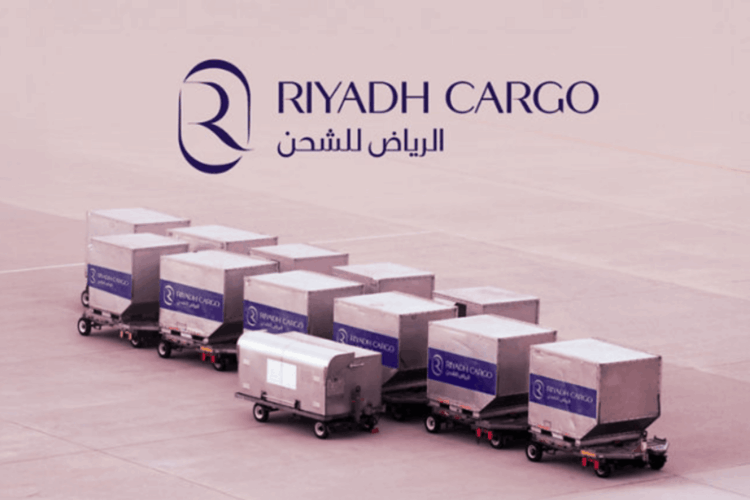
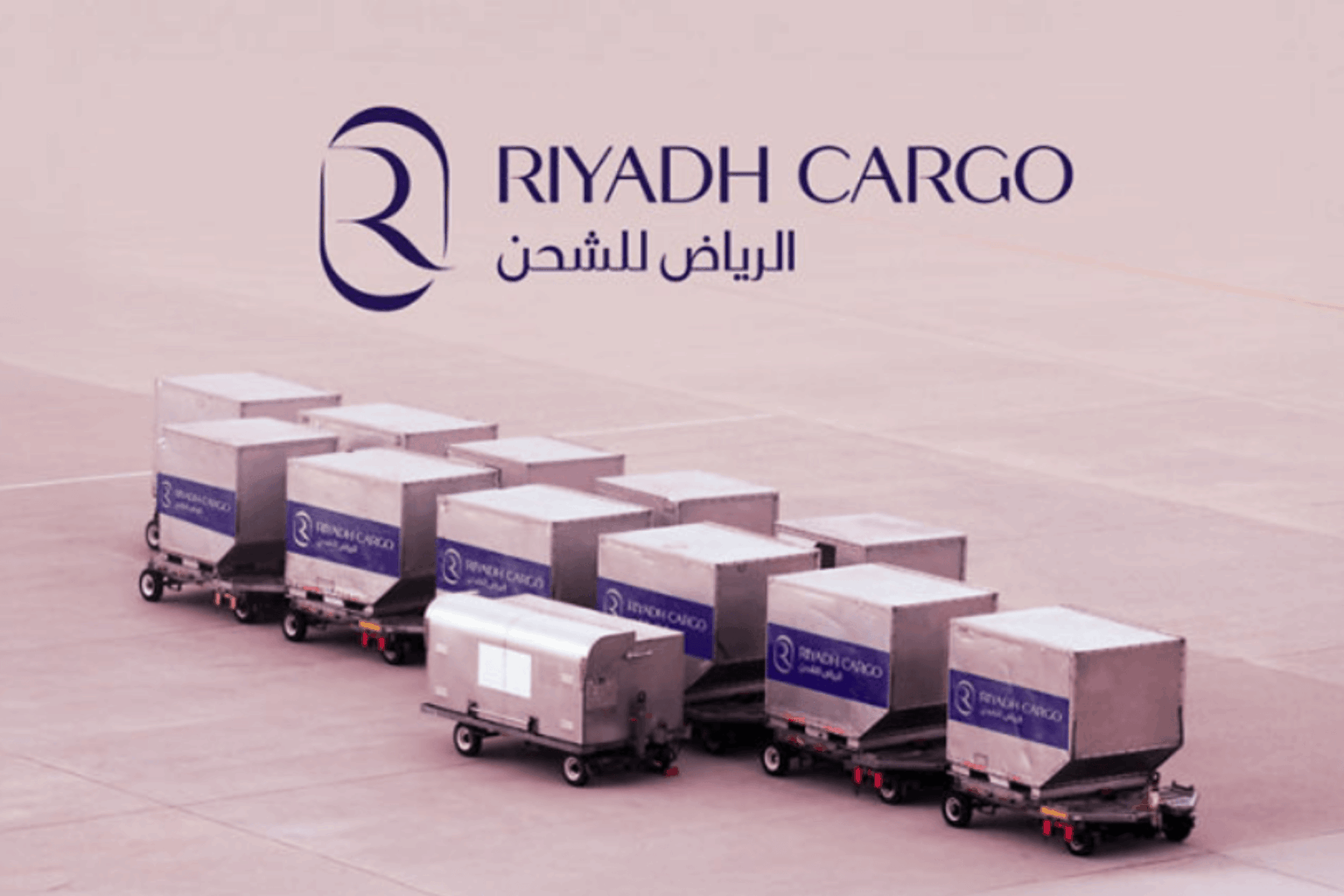
Riyadh Air Takes Off in Global Cargo
Comprehensive Summarization:
Riyadh Air, Saudi Arabia’s newly established national airline, has launched Riyadh Cargo, a dedicated air freight service. This service utilizes the belly-hold capacity of the airline’s aircraft to efficiently and reliably transport goods across global markets. The launch marks Riyadh Air’s entry into the international air freight sector, signaling a significant development in the travel industry’s logistics capabilities.
Key Points:
Actionable Takeaways:
Expansion of Logistics Capabilities: Riyadh Air’s introduction of Riyadh Cargo demonstrates the growing importance of air freight in the travel industry. For logistics companies and freight forwarders, this development suggests an expanding market for air cargo services, potentially offering new business opportunities.
Technological Integration in Freight Services: The use of aircraft belly-hold capacity for cargo operations highlights the integration of technology in travel logistics. Companies in the travel tech sector may find opportunities to develop solutions that optimize the use of aircraft cargo space, enhancing efficiency and reducing costs.
Contextual Insights:
The launch of Riyadh Cargo reflects broader trends in the travel industry towards enhancing logistics and supply chain efficiency. As global trade continues to grow, airlines are increasingly recognizing the value of integrating freight services into their operations. This move by Riyadh Air aligns with the industry’s shift towards more integrated travel solutions, where airlines not only focus on passenger transport but also on providing comprehensive logistics services. For travel startups and fintech innovators, this trend presents opportunities to develop integrated platforms that streamline both passenger and cargo travel experiences, potentially creating a unified ecosystem for global travel and logistics.
Read the Complete Article.
Boutique Travel VC raises investment cap from $1.5M to $10M to lead rounds and support portfolio companies through growth Travel...
Read moreDetails




