



















Travel Capitalist Ventures Expands Check Size to $10 Million to Deepen Emerging Market Conviction
Boutique Travel VC raises investment cap from $1.5M to $10M to lead rounds and support portfolio companies through growth Travel...
Read moreDetails
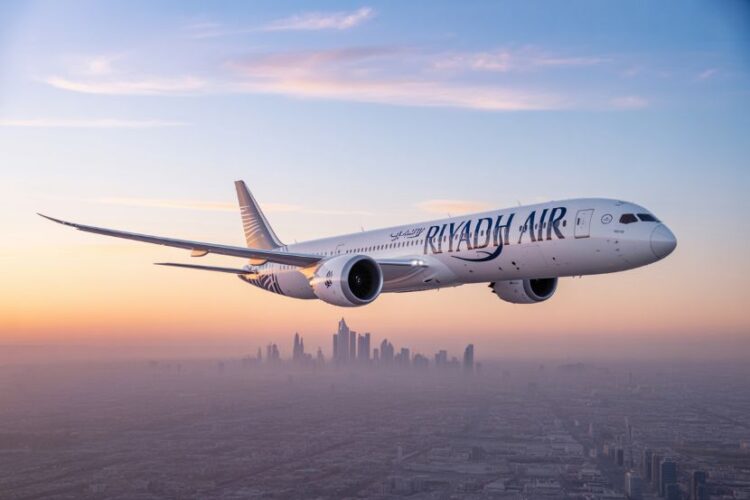
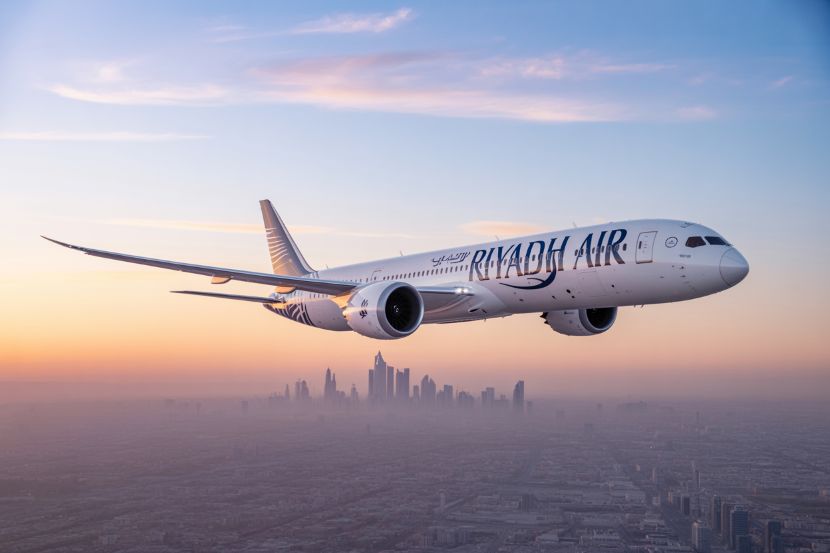
Riyadh Air Gears Up for its Grand 2025 Launch: First Boeing 787 to Arrive in Saudi Arabia, Connectin...
Article Summary:
Riyadh Air, a Saudi Arabian airline, is gearing up for its grand 2025 launch with the arrival of its first Boeing 787 aircraft by mid-December. This move is expected to significantly reshape Saudi Arabia’s aviation landscape by connecting Riyadh with London Heathrow and Dubai. The article highlights this development as a positive development for flight passengers, marking a major step forward in the airline’s expansion plans.
Key Points:
Actionable Takeaways:
Contextual Insights:
The launch of Riyadh Air with its first Boeing 787 aligns with broader trends in the travel industry, such as the increasing demand for high-quality, efficient air travel and the expansion of global connectivity. This development reflects the growing importance of strategic airline expansions in enhancing regional connectivity and economic growth. Furthermore, it underscores the role of modern aircraft in supporting the operational capabilities of emerging airlines, enabling them to compete on a global scale. As travel tech and fintech continue to evolve, innovations in airline operations and passenger experiences will likely become increasingly important, offering opportunities for startups and established airlines alike to differentiate themselves in a crowded market.
Read the Complete Article.
Boutique Travel VC raises investment cap from $1.5M to $10M to lead rounds and support portfolio companies through growth Travel...
Read moreDetails




