




















Travel Capitalist Ventures Expands Check Size to $10 Million to Deepen Emerging Market Conviction
Boutique Travel VC raises investment cap from $1.5M to $10M to lead rounds and support portfolio companies through growth Travel...
Read moreDetails
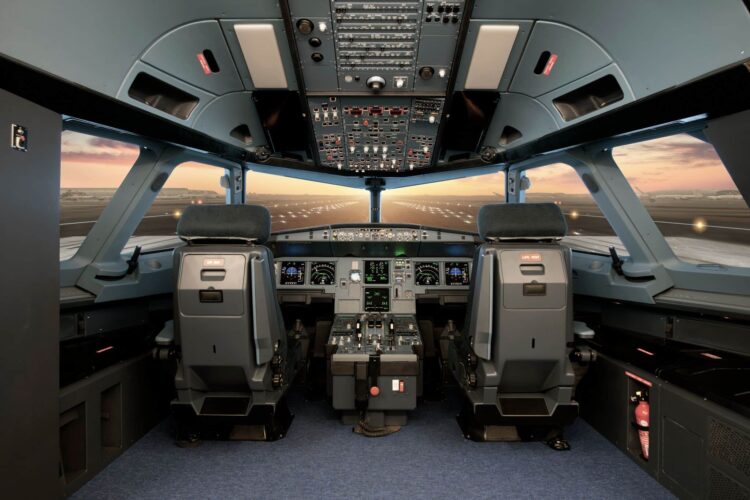
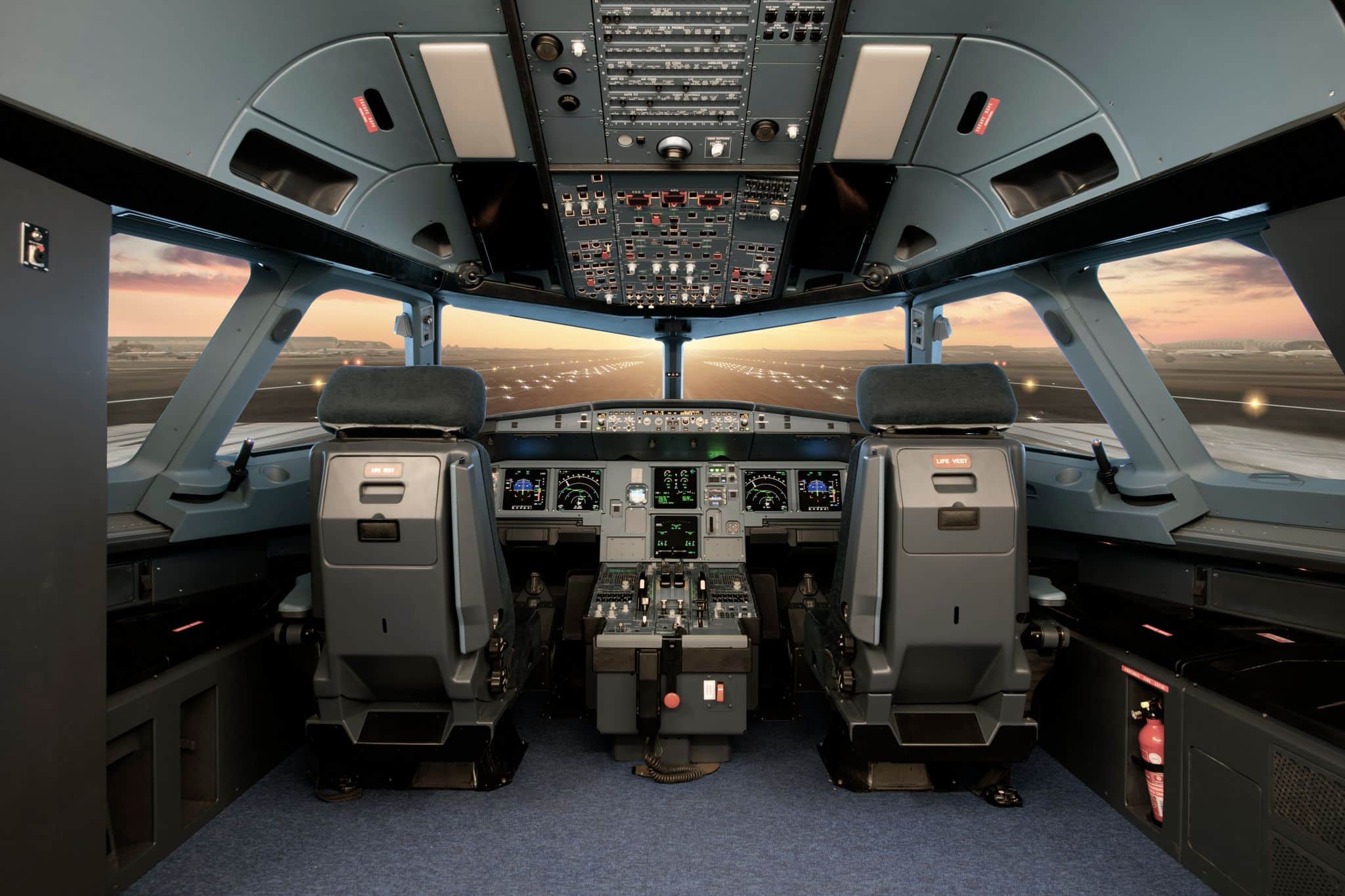
Riyadh Air Orders A321neo FTD-2 from MPS Ahead of 2026 Fleet Entry
Article Summary:
Riyadh Air, Saudi Arabia’s new national flag carrier, has contracted flight simulator manufacturer MPS to deliver an Airbus A321neo Flight Training Device (FTD-2). This move is aimed at strengthening the airline’s in-house pilot training capabilities ahead of its narrowbody fleet entry, scheduled for Q4 2026. The A321neo FTD-2 will support pilot training in preparation for the airline’s first A321neo aircraft deliveries.
Key Points:
Actionable Takeaways:
Contextual Insights:
The deployment of the Airbus A321neo FTD-2 by Riyadh Air is indicative of the ongoing transformation in the aviation industry, where technological advancements are pivotal in enhancing operational efficiency and safety. This development aligns with the current industry trend of leveraging flight simulators to provide realistic training experiences, thereby reducing the reliance on live flights for training purposes. Furthermore, as Saudi Arabia continues to bolster its position in the global aviation market, Riyadh Air’s strategic investments in cutting-edge training technologies position the airline favorably against competitors. The emphasis on pilot training readiness ahead of fleet expansion also highlights the airline’s forward-thinking approach to growth and sustainability in the aviation sector.
Read the Complete Article.
Boutique Travel VC raises investment cap from $1.5M to $10M to lead rounds and support portfolio companies through growth Travel...
Read moreDetails




