

















Travel Capitalist Ventures Expands Check Size to $10 Million to Deepen Emerging Market Conviction
Boutique Travel VC raises investment cap from $1.5M to $10M to lead rounds and support portfolio companies through growth Travel...
Read moreDetails
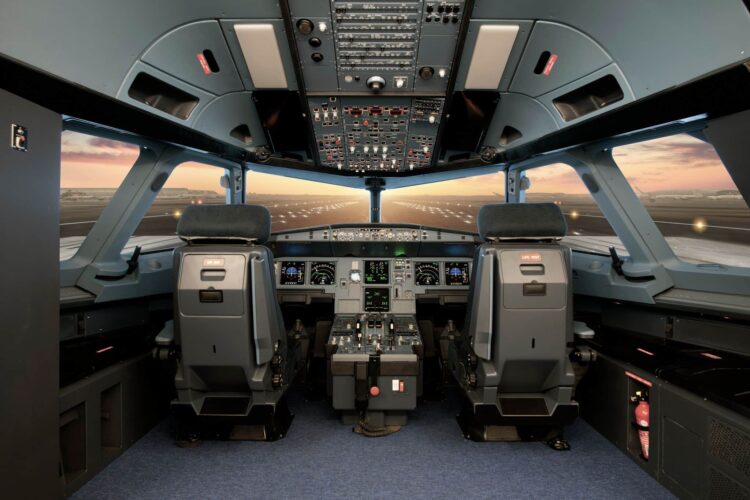
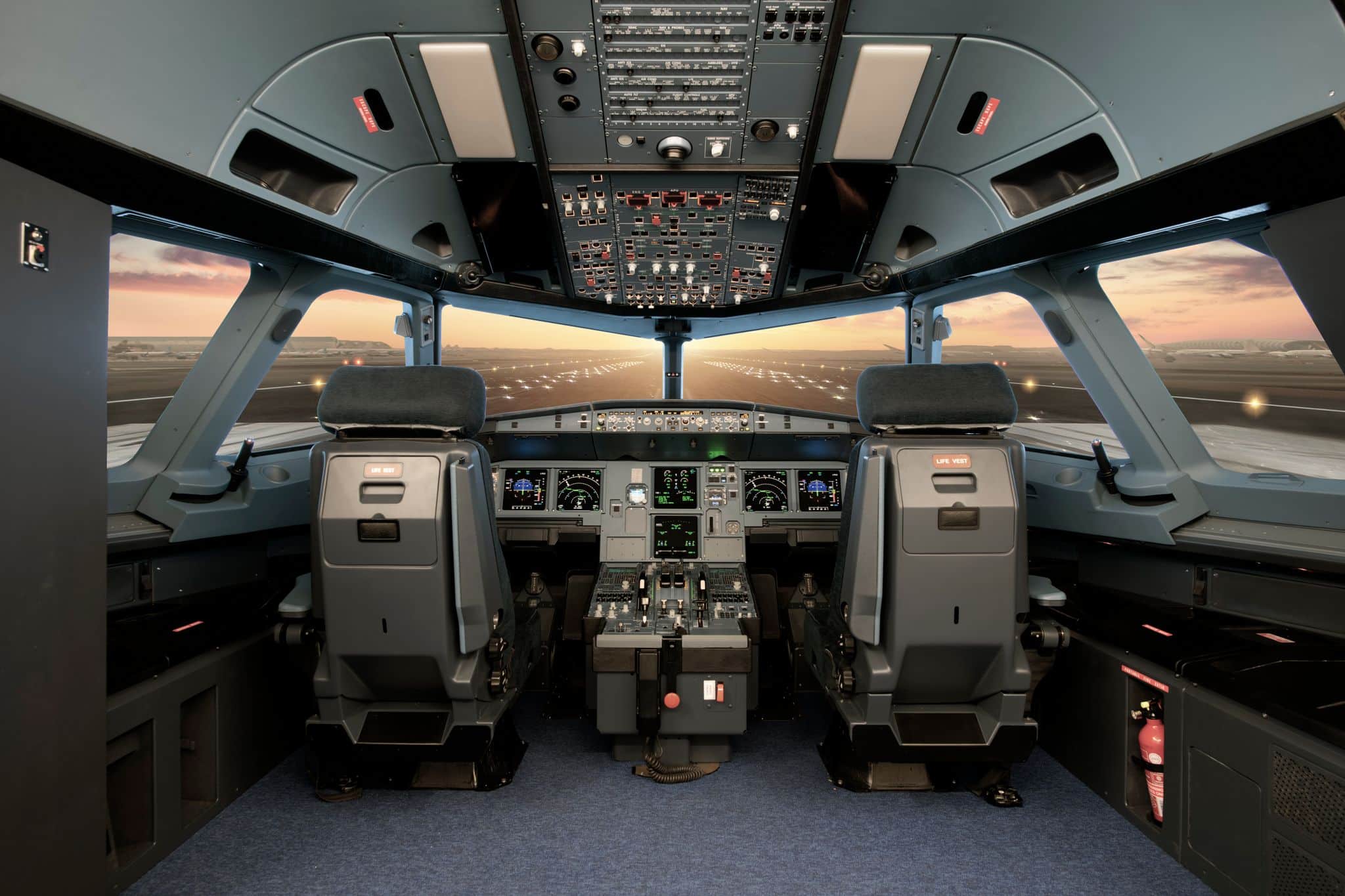
Riyadh Air Contracts MPS for A321 Flight Training Device
Article Summary:
Saudi Arabia’s new national flag carrier, Riyadh Air, has awarded MPS a contract to provide an A321neo FTD-2 simulator. This simulator will be used to prepare pilots for the arrival of the A321neo aircraft in Q4 2026. The simulator will comply with Airbus Standard 3.0. Riyadh Air’s fleet will consist of both Airbus and Boeing aircraft, including 60 Airbus A321neo.
Key Points:
Actionable Takeaways:
Contextual Insights:
The contract awarded to MPS for the A321neo FTD-2 simulator underscores the ongoing emphasis on technological advancement and safety in the aviation industry. As airlines like Riyadh Air expand their fleets with newer aircraft models, the demand for sophisticated training simulators becomes increasingly critical. This trend is indicative of a larger industry shift towards integrating cutting-edge technology in both aircraft and training equipment to meet the evolving needs of modern aviation. Furthermore, Riyadh Air’s strategic move to incorporate both Airbus and Boeing aircraft into its fleet signals a balanced approach to diversification, potentially mitigating risks associated with reliance on a single aircraft manufacturer. This diversification is likely to enhance operational flexibility and resilience in the face of market fluctuations or disruptions in supply chains. The focus on advanced training simulators also reflects a broader industry trend towards investing in innovation to enhance operational efficiency and passenger safety, setting a precedent for other airlines to follow suit.
Read the Complete Article.
Boutique Travel VC raises investment cap from $1.5M to $10M to lead rounds and support portfolio companies through growth Travel...
Read moreDetails




