


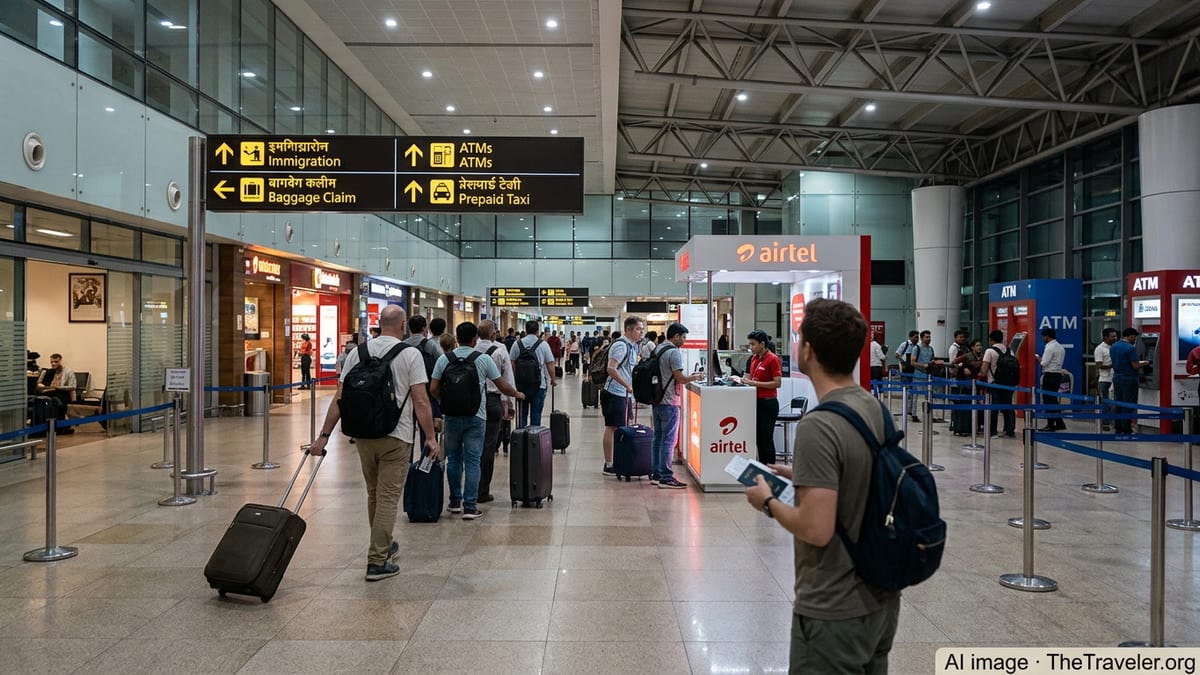




















Travel Capitalist Ventures Expands Check Size to $10 Million to Deepen Emerging Market Conviction
Boutique Travel VC raises investment cap from $1.5M to $10M to lead rounds and support portfolio companies through growth Travel...
Read moreDetails
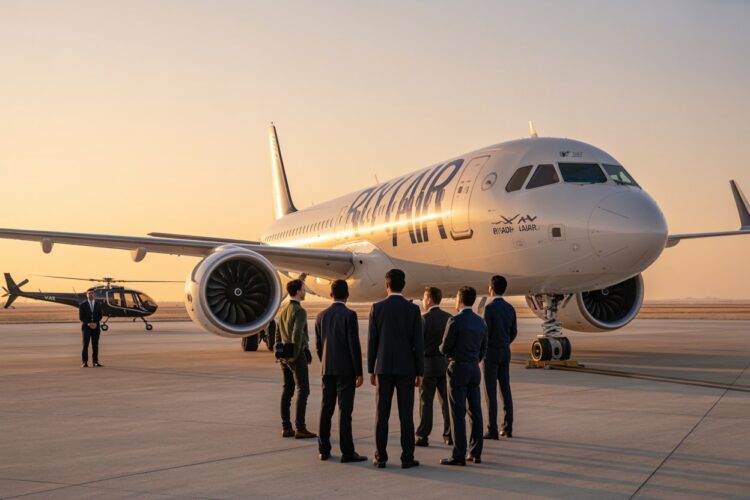
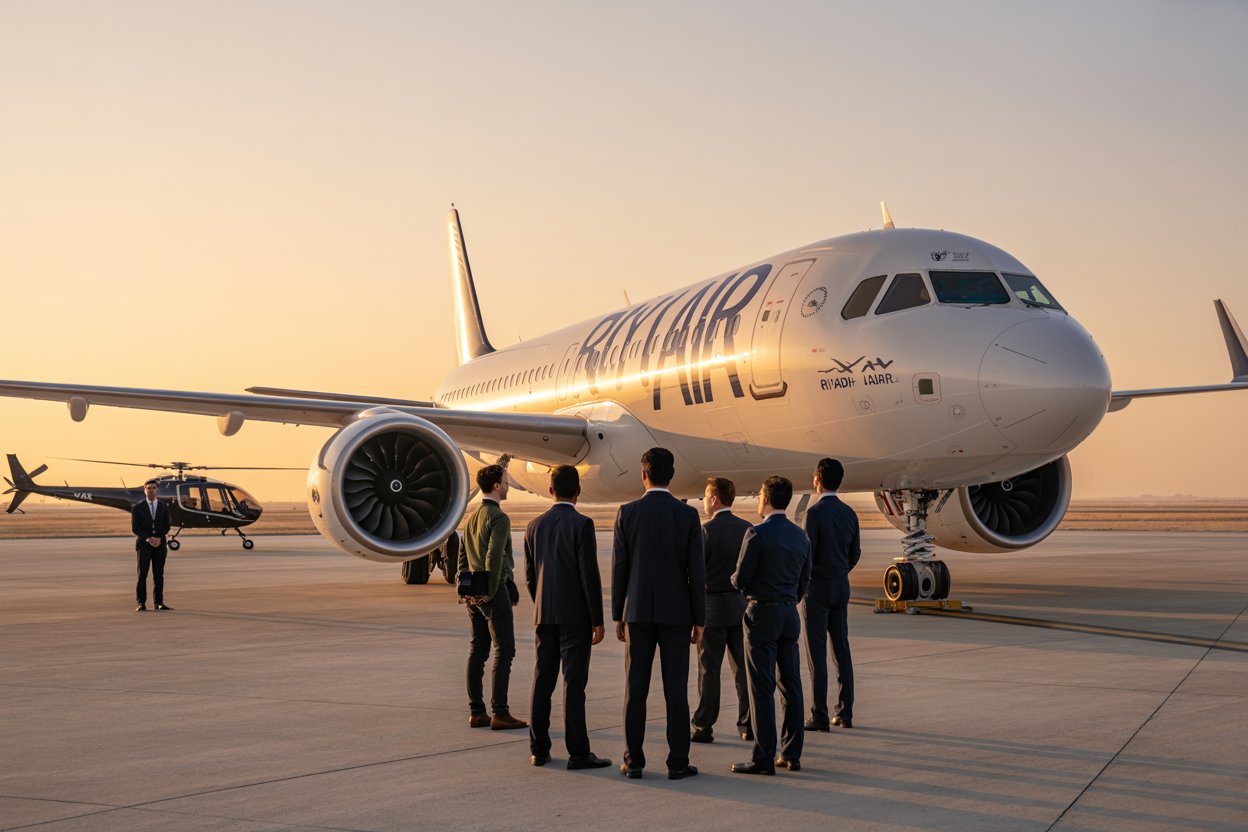
Riyadh Air Signs Major Technical, Training & Travel MoUs at Dubai Airshow 2025
Article Summary:
Riyadh Air, a Saudi carrier, has announced a series of technical, training, and mobility partnerships at the Dubai Airshow 2025. These agreements aim to establish a robust operational foundation for the airline from its inception. The partnerships underscore Riyadh Air’s ambition to become a significant player in the global aviation sector, reflecting a strategic shift towards building a comprehensive operational backbone.
Key Points:
Actionable Takeaways:
Contextual Insights:
The announcement by Riyadh Air at the Dubai Airshow 2025 is indicative of the broader trend in the aviation industry towards strategic partnerships and infrastructure development. Recent years have seen a surge in such initiatives, driven by the need for airlines to enhance operational efficiency and expand their global reach. Riyadh Air’s strategy aligns with current industry trends, emphasizing the importance of a robust operational backbone in achieving long-term success. Furthermore, the focus on training and mobility partnerships highlights the sector’s growing emphasis on human capital and logistical capabilities, areas that are increasingly recognized as critical to airline performance. This context suggests that Riyadh Air’s approach could have a ripple effect across the industry, prompting other airlines to reassess their strategic priorities and invest in similar areas to remain competitive.
Read the Complete Article.
Boutique Travel VC raises investment cap from $1.5M to $10M to lead rounds and support portfolio companies through growth Travel...
Read moreDetails




