
























Travel Capitalist Ventures Expands Check Size to $10 Million to Deepen Emerging Market Conviction
Boutique Travel VC raises investment cap from $1.5M to $10M to lead rounds and support portfolio companies through growth Travel...
Read moreDetails

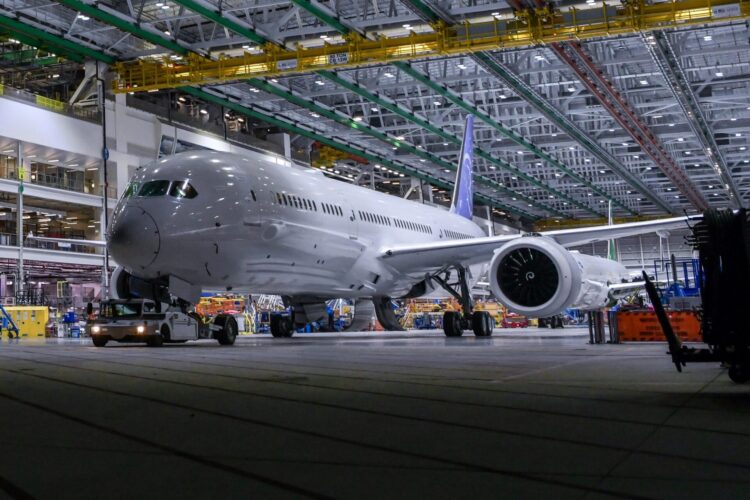
Riyadh Air
Comprehensive Summarization:
Riyadh Cargo has been established as the freighter operations division of Riyadh Air, marking the beginning of belly-hold cargo flights across its 122 wide-body aircraft fleet. This move was announced on January 21, 2026, and is described by Riyadh Air as a “core pillar of its commercial operations.” The initiative aims to establish Riyadh as a “strategic global logistics hub.” The launch of the brand is described as a deliberate, phased approach to building a scalable and robust cargo service network.
Key Points:
Actionable Takeaways:
Expansion of Cargo Services: Riyadh Air’s introduction of Riyadh Cargo signifies a significant expansion in its cargo services, potentially increasing its market share in the global logistics sector. This move could attract more businesses looking for reliable cargo services, thereby boosting the airline’s revenue streams.
Strategic Positioning as a Logistics Hub: By positioning Riyadh as a “strategic global logistics hub,” Riyadh Air is likely to attract more cargo businesses and potentially increase its passenger traffic. This strategic positioning could lead to increased investment in the city’s infrastructure, benefiting other sectors of the economy.
Innovation in Air Cargo: The phased approach to building a scalable cargo service network indicates Riyadh Air’s commitment to innovation in air cargo operations. This could set a benchmark for other airlines in the industry, potentially leading to increased competition and improved services for cargo businesses.
Contextual Insights:
The launch of Riyadh Cargo aligns with the broader trend of airlines diversifying their revenue streams by expanding into cargo services. This trend is driven by the increasing demand for air freight, particularly in sectors such as e-commerce, where rapid delivery is crucial. Riyadh Air’s move is a testament to the growing importance of air cargo in the global logistics industry.
Moreover, the strategic positioning of Riyadh as a logistics hub is in line with the current trend of cities and countries vying to become global economic centers. By leveraging its extensive 122 wide-body aircraft fleet, Riyadh Air is not only enhancing its own operations but also contributing to the city’s economic growth. This move could stimulate further investment in the city’s infrastructure, creating a positive feedback loop that benefits other sectors of the economy.
In terms of technological advancements, the phased approach to building a scalable cargo service network suggests that Riyadh Air is likely investing in advanced cargo handling technologies. This could include automated cargo handling systems, real-time tracking systems, and other innovations aimed at improving efficiency and reducing costs. Such technological advancements could set a precedent for other airlines in the industry, driving further innovation in air cargo operations.
Handling Different Article Types:
The article in question is a news blurb, providing factual information about a significant development in the travel industry. The summary, key points, and actionable takeaways are all based on the facts and context provided in the article. No opinion pieces or feature articles are present in the content, so the analysis is strictly factual and based on the information given.
Read the Complete Article.
Boutique Travel VC raises investment cap from $1.5M to $10M to lead rounds and support portfolio companies through growth Travel...
Read moreDetails




