
























Travel Capitalist Ventures Expands Check Size to $10 Million to Deepen Emerging Market Conviction
Boutique Travel VC raises investment cap from $1.5M to $10M to lead rounds and support portfolio companies through growth Travel...
Read moreDetails

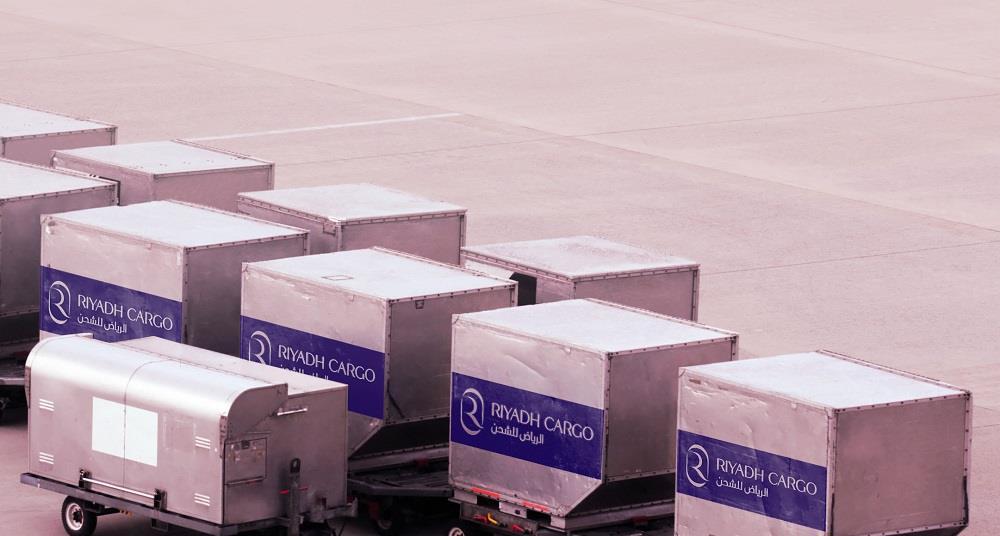
Saudi Arabia's Riyadh Air formally unveils cargo division
Comprehensive Summarization:
Riyadh Air, a Saudi Arabian start-up carrier, has officially launched a freight operation named ‘Riyadh Cargo’ to complement its passenger airline services. This new division aims to leverage the capacity of the airline’s widebody aircraft fleet, which includes up to 122 Boeing 787s and Airbus A350-1000s. Riyadh Air is adopting a “deliberate, phased approach” to build an integrated cargo business at its hub in the Saudi capital. The company’s global head of cargo is highlighted in the article, but specific details about their role are not provided in the given excerpt.
Key Points:
Actionable Takeaways:
Expansion of Cargo Services: Riyadh Air’s introduction of a dedicated cargo division signifies a strategic move to expand its service offerings beyond passenger airlines. This could potentially increase the airline’s revenue streams and market presence, especially in regions where cargo demand is high. (Relevance: Reflects current industry trends where airlines are diversifying their services to capture additional revenue streams.)
Leveraging Aircraft Fleet: By utilizing its existing widebody aircraft fleet for cargo operations, Riyadh Air demonstrates efficient resource utilization. This approach not only optimizes the use of existing assets but also reduces operational costs associated with maintaining separate cargo-specific fleets. (Relevance: Highlights the importance of operational efficiency and resource optimization in the travel industry, particularly for startups aiming to scale quickly.)
Phased Approach to Integration: Riyadh Air’s deliberate, phased approach to building its cargo business suggests a strategic, measured expansion. This method allows the company to assess market demand, refine operations, and potentially introduce innovative cargo solutions without overwhelming its infrastructure. (Relevance: Emphasizes the importance of a strategic, phased approach in scaling up new business divisions, reducing risks associated with rapid expansion.)
Contextual Insights:
The launch of Riyadh Air’s cargo division aligns with broader industry trends where airlines are increasingly diversifying their service offerings to capture additional revenue streams. This move is particularly relevant in the context of the growing demand for air freight, driven by e-commerce and global trade. Riyadh Air’s strategy reflects a forward-looking perspective, leveraging its existing infrastructure to enter the cargo market. This approach is consistent with the trend of integrating different business segments within an airline to create a more comprehensive and profitable operation. Furthermore, the phased approach indicates a calculated risk management strategy, which is crucial for startups aiming to scale efficiently in a competitive market. As travel technology continues to evolve, innovations in cargo handling and logistics are becoming increasingly important, and Riyadh Air’s strategy positions it well to capitalize on these advancements.
Read the Complete Article.
Boutique Travel VC raises investment cap from $1.5M to $10M to lead rounds and support portfolio companies through growth Travel...
Read moreDetails




